Preparing Your Nash County Farm For A Successful Sale
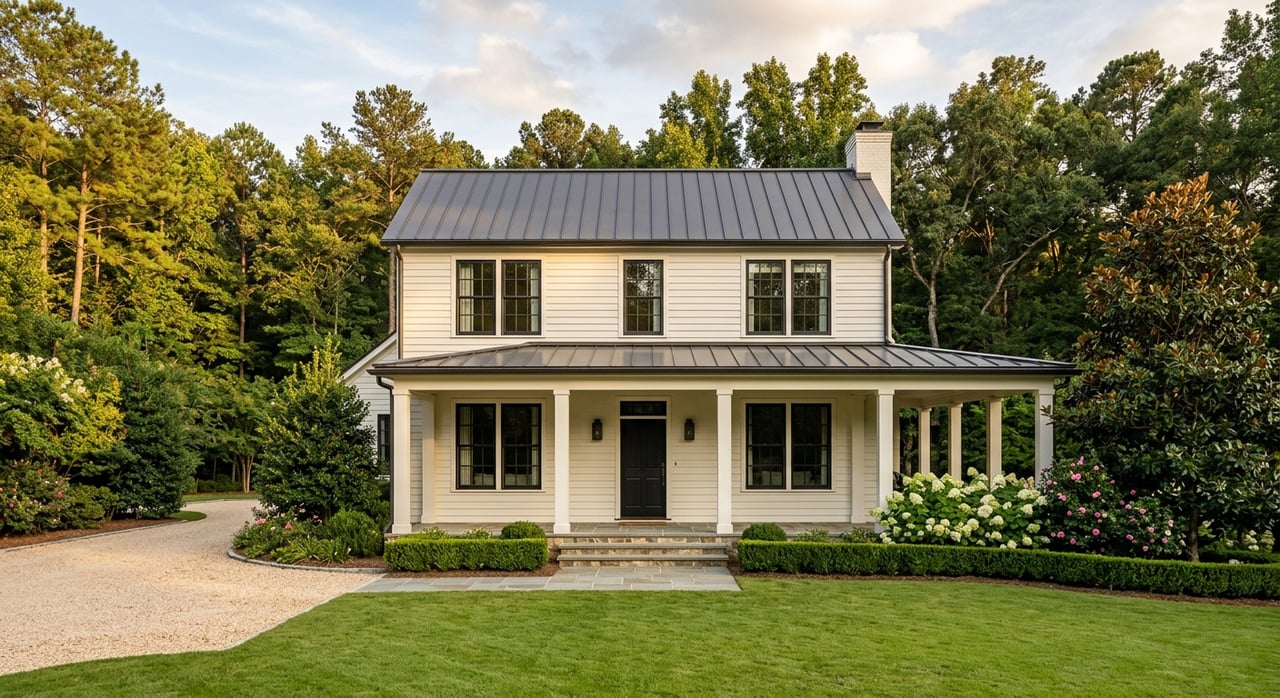
Selling a farm is not like selling a typical house. In Nash County, buyers often look past curb appeal and focus on how the land actually works, from access and soils to leases, water, and recorded rights. If you want a smoother sale and stronger buyer confidence, the best place to start is with preparation. Let’s dive in.
Nash County has deep agricultural roots, and buyers tend to evaluate land with that in mind. The 2022 Census of Agriculture counted 375 farms and 133,252 acres in farms in the county, with average farm size at 355 acres and total farm sales of $184.5 million.
That activity matters because it points to a broad buyer pool. Some buyers may want productive row-crop ground, while others may focus on pasture, timber value, or a homesite with room to grow. In a county where crops made up 66% of farm sales and livestock, poultry, and related products made up 34%, a successful sale often depends on showing both function and potential.
Before you market your property, confirm exactly who owns it and what rights go with it. In North Carolina, real property transfers must be in writing and recorded, and deeds are filed with the county Register of Deeds.
That step is especially important for inherited family land. If ownership was passed down informally, the property may have title issues that can slow a sale or make it harder for a buyer to move forward with confidence.
Nash County gives you a strong starting point for this work. Public records and GIS tools can help verify parcels, lease records, agriculture districts, flood zones, watersheds, and zoning, while the Register of Deeds reports real estate records dating back to 1777.
A clean document package can reduce delays and help buyers evaluate the property faster. At a minimum, it helps to gather:
Access is one of the first things serious land buyers check. A farm needs legal, reliable, and adequate vehicle and equipment access, and if a tract lacks road frontage, a documented access easement can be critical.
This is not something to leave vague in marketing. If a buyer cannot clearly understand how they will reach the property, move equipment, or use the land as intended, interest may cool quickly.
Boundaries matter just as much. A recent survey and clearly marked lines can make the property easier to walk, easier to explain, and less risky for everyone involved.
NC State Extension notes that when property is sold, transferred, or subdivided, a survey must be conducted by a registered land surveyor to verify location, extent, and boundaries. If your boundary evidence is old or unclear, updated survey work can prevent confusion later.
For wooded or mixed-use tracts, brushed, painted, or posted boundary lines also help buyers see what they are actually buying. That added clarity can make showings more productive and reduce uncertainty.
First impressions still matter, even with farmland. Trash piles, old equipment, abandoned vehicles, and neglected outbuildings can distract buyers from the property’s real strengths.
Cleanup does more than improve appearance. It also signals that the farm has been cared for, which can influence how buyers view maintenance, stewardship, and value.
You should also look for hidden liabilities. NC State Extension warns that buried tanks, chemical spills, and hazardous materials in older storage buildings may become concerns during due diligence.
If you are preparing for showings, start with the areas buyers notice most:
If fencing is a meaningful feature of the property, make sure it is safe and easy to understand. Buyers looking at livestock or equestrian use often pay close attention to layout and condition.
A farm’s usefulness depends on more than acreage alone. Water, drainage, soils, and septic potential all shape how a buyer may use the land.
If the property includes a homesite or possible homesite, have well and septic information ready. NC State Extension recommends being prepared to discuss well depth, flow rate, and water testing, and Nash County Environmental Health handles well permitting and septic design and permitting.
In Nash County, the county FAQ states that lots must be cleared enough for septic evaluation and that well and septic permits are valid for 5 years. If you already have permits or prior evaluations, those records can help buyers understand what has been done.
Soils influence crop choices, drainage, septic suitability, and even building considerations. USDA NRCS identifies Web Soil Survey as the official source for soil data, making a soil map a useful item to include in your marketing package.
For many buyers, especially those comparing multiple tracts, soil information helps turn a pretty property into a practical opportunity. It gives them a clearer picture of what the land may support.
If another party is farming the land, get organized before you list. Gather the written lease, payment terms, termination date, and any insurance provisions tied to the agreement.
This is one of the most important parts of preparing an occupied farm for sale. Buyers will want to know whether they can step into income, take possession after harvest, or work within an existing arrangement.
NC FarmLink recommends written leases because they are clearer and more defensible if land is transferred or sold. Leases longer than three years should be recorded with the Register of Deeds.
Your marketing should match the facts on the ground. Be clear about:
That clarity helps avoid surprises once a buyer begins due diligence.
A farm sale can trigger questions that do not come up in a standard residential sale. One of the biggest is present-use value status.
North Carolina’s present-use value program can appraise qualifying agricultural, horticultural, and forestland based on present use rather than market value. If a tract is disqualified, the current year plus the previous three years of deferred taxes and interest will usually become due, so it is wise to confirm the property’s status with the county tax office before marketing.
Conservation easements also deserve careful review. According to the North Carolina Department of Agriculture and Consumer Services, a conservation easement is recorded with the county Register of Deeds and runs with the land, meaning future buyers take the property subject to those restrictions.
If you hope to carve off lots or market part of the farm separately, verify that plan before advertising it. Nash County’s Unified Development Ordinance states that a subdivision plat cannot be filed or recorded until it has been submitted to and approved by the county.
Zoning also shapes buyer expectations. The county’s A-1 Agricultural District is primarily intended to accommodate agricultural uses and farm residences, so any future split or alternate use should be checked carefully against county requirements.
Land buyers make decisions differently than house buyers. They often want a clear package of facts that helps them judge fit quickly, especially if they are comparing several tracts or reviewing property from out of the area.
NC FarmLink recommends including total acres, acreage by use, cropland, timber, pasture, pond size, irrigation capacity, leases, soil fertility, yield history, drainage, environmental concerns, allowable uses, mineral rights, easements, taxes, and improvements. Good photos also matter.
For a Nash County farm, a practical marketing package may include:
The strongest farm sales present more than raw data. They connect the facts to the land’s actual opportunity.
That might mean showing how access supports equipment movement, how field layout affects usability, or how water and soils shape future plans. When buyers can understand the property quickly, they are more likely to stay engaged and act with confidence.
If you want to simplify your next steps, start here:
Selling a farm in Nash County is often about reducing uncertainty. The more clearly you can show what the property is, how it functions, and what records support it, the easier it becomes for buyers to see value.
If you are preparing to sell and want experienced guidance on presenting complex rural property, Legacy Farms and Ranches can help you position your land for a smoother, more confident sale.
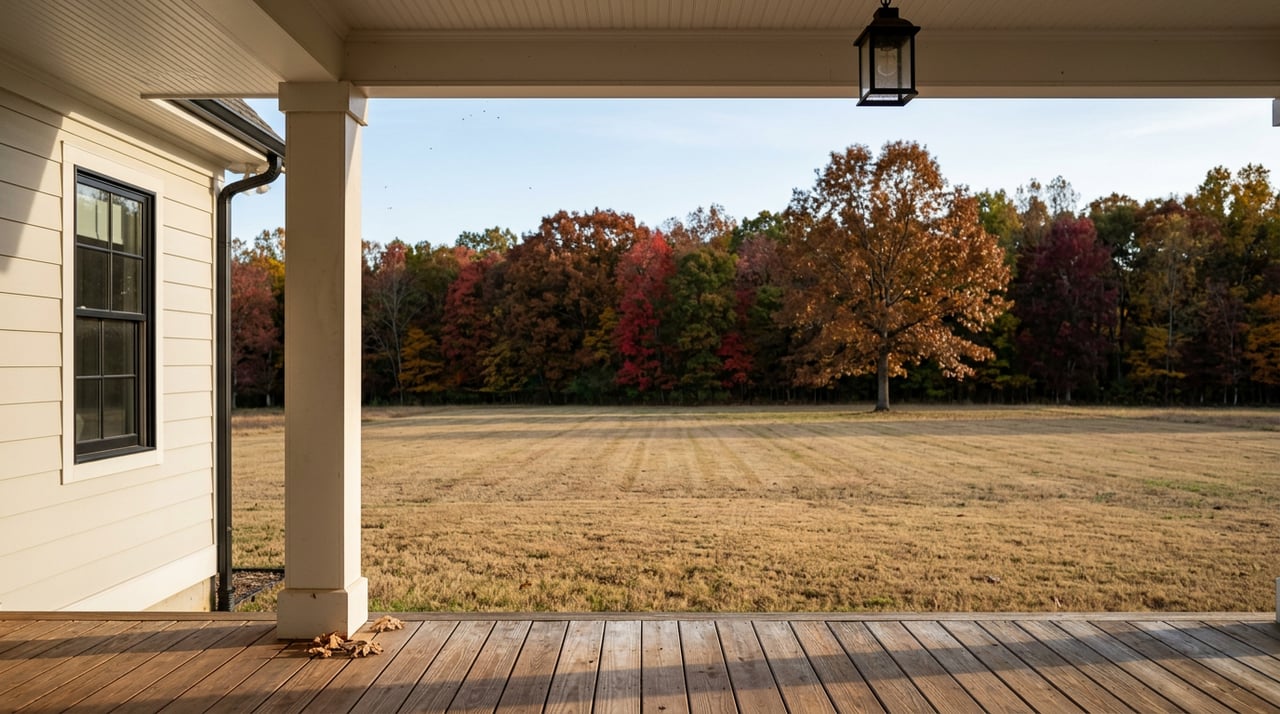
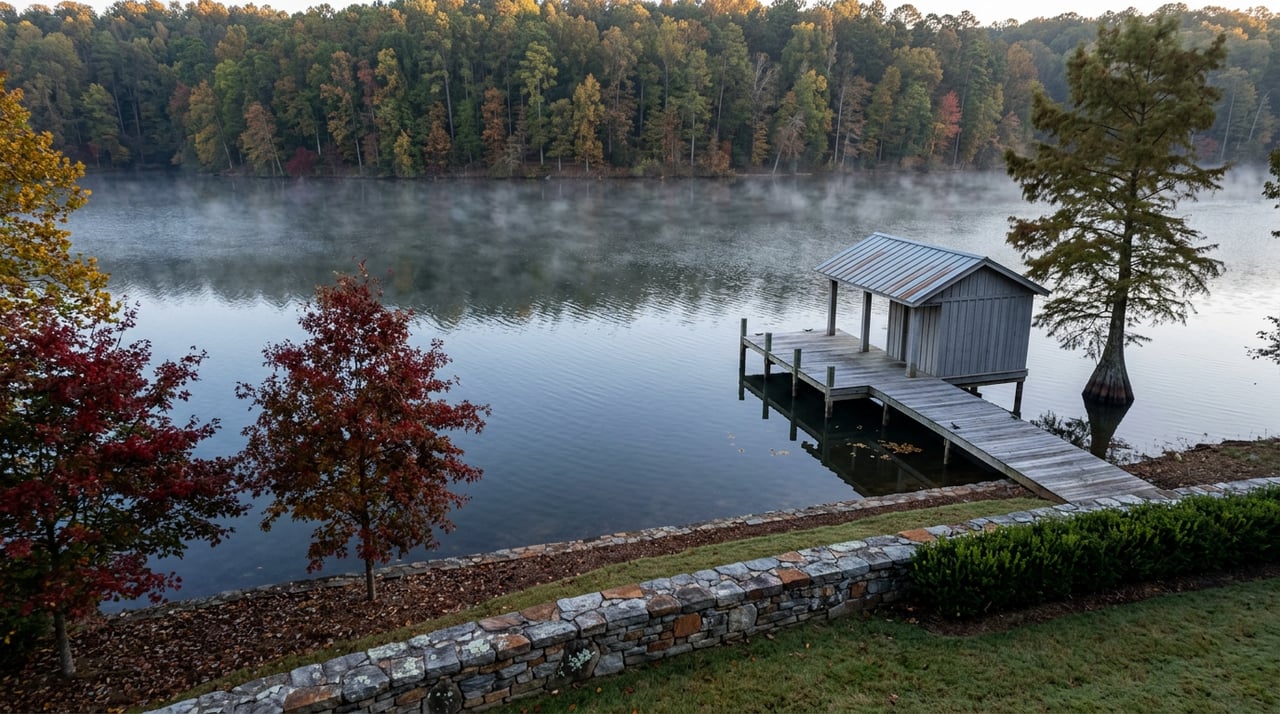
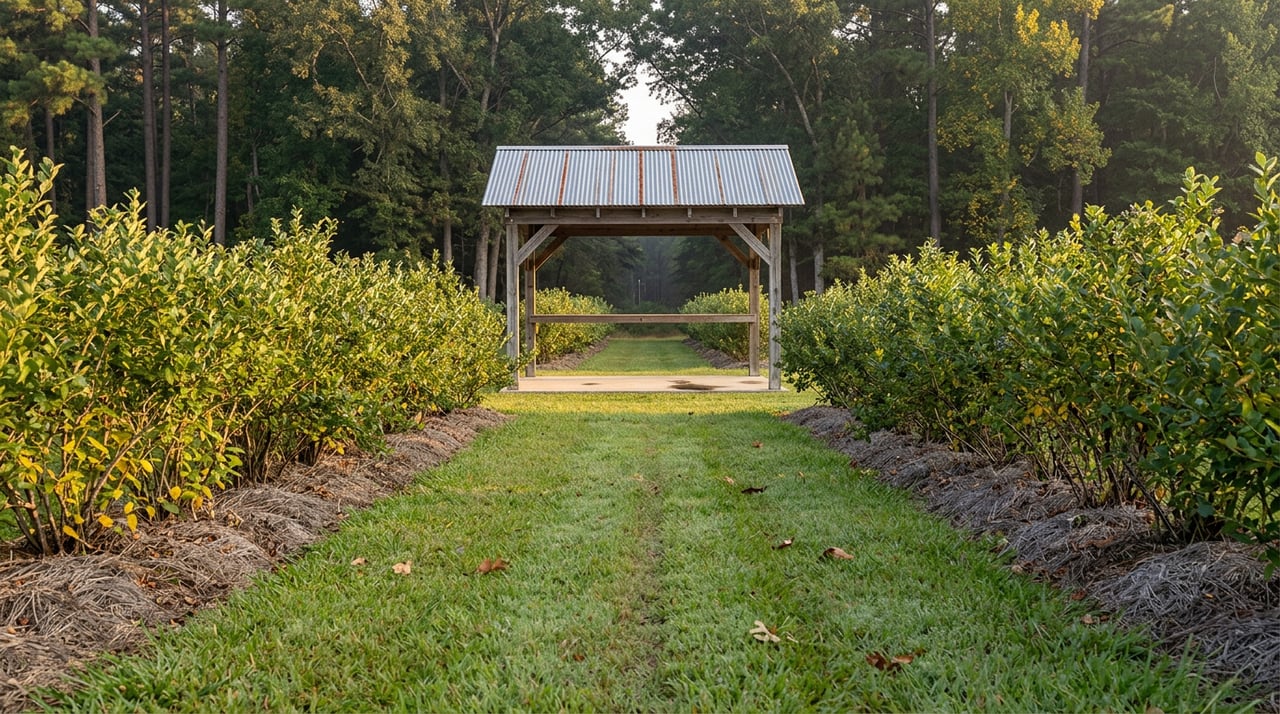
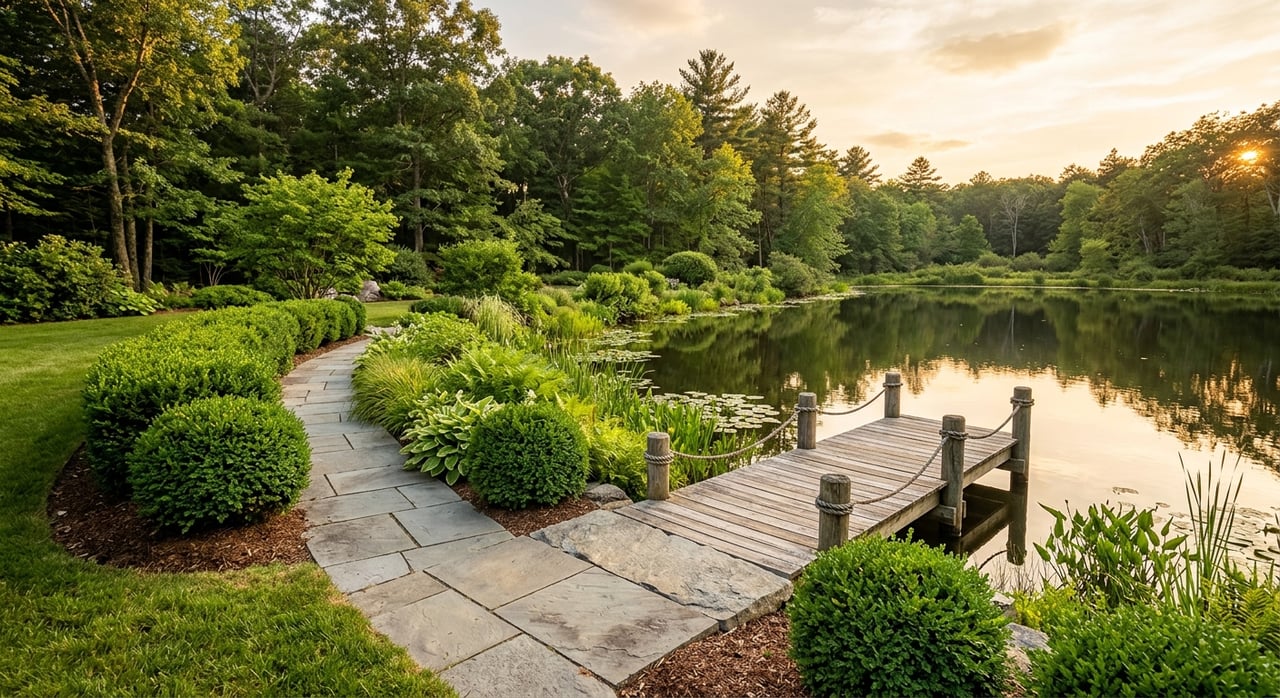
If you have a unique country home, hunting or fishing land, or other premier North Carolina property for sale, call Legacy Farms and Ranches today to learn how they can help you market your property to thousands of discerning viewers across the country.
Get In Touch With Our Team To Learn More About Our Services! Although the disclaimer is below, we will only put you on our Newsletter Mailing List!
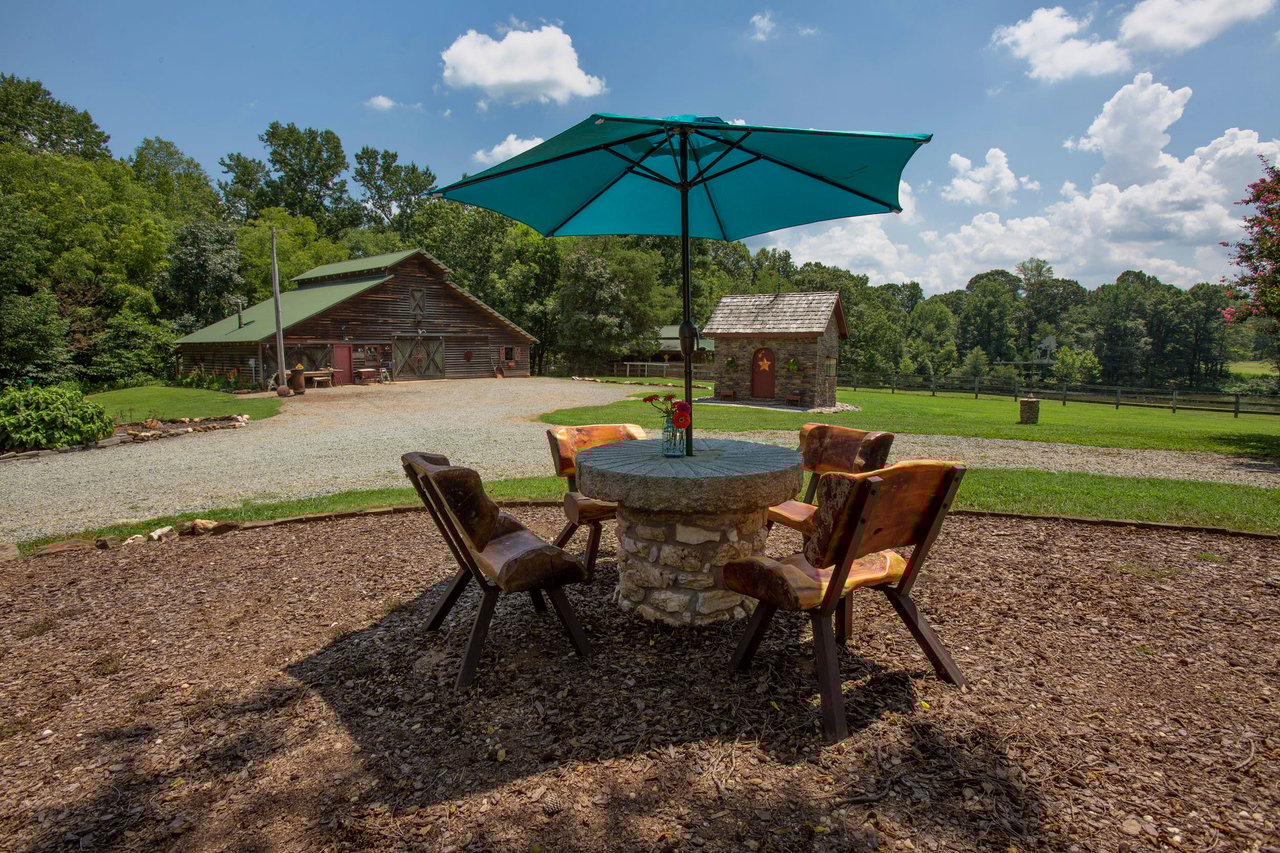
Legacy Farms and Ranches of FM Realty
7980 Arco Corporate Dr Ste 105 Raleigh NC 27617