Buying land or a home site near a creek, pond, or lake in Chatham County? Riparian buffer rules can shape where you build, how you landscape, and what permits you need. If you plan ahead, you can avoid surprises and protect both your investment and the water resources that make these properties so appealing. This guide walks you through the essentials, from what buffers are to the exact due-diligence steps to take before you buy. Let’s dive in.
What riparian buffers are
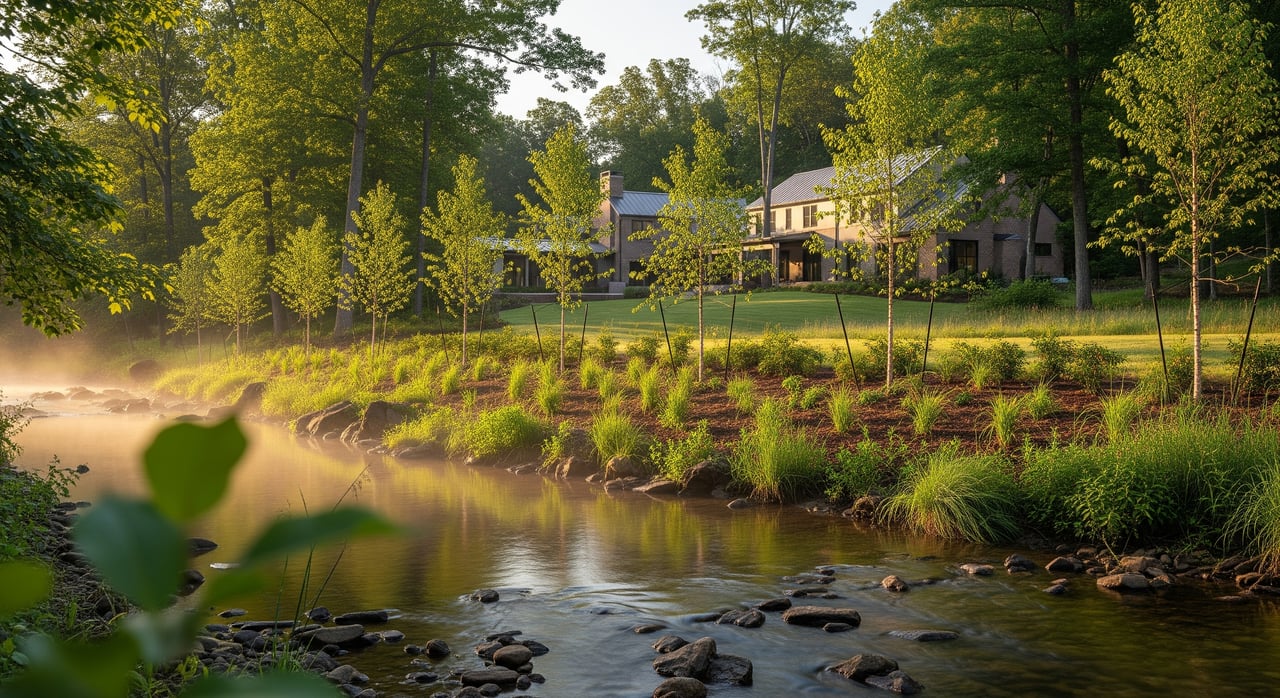
A riparian buffer is a vegetated strip along streams, rivers, ponds, wetlands, or lakes that helps filter runoff, stabilize banks, and support habitat. Buffers are different from zoning setbacks. A setback is a distance you must keep between structures and a property line or feature, while a buffer is an environmental protection area with specific limits on clearing, grading, and building.
Why this matters to you: a buffer can affect your house location, driveway, septic system, pool, dock, and landscaping. In some cases you may need a permit to disturb vegetation or add structures near water. Buffers can also improve privacy and reduce flood risk, which some buyers value.
How rules work in Chatham County
In Chatham County, multiple layers of authority can apply at the same time. You should treat these layers as cumulative and check each one.
- Federal. The U.S. Army Corps of Engineers regulates impacts to jurisdictional waters and wetlands under the Clean Water Act. If you plan to fill or permanently alter these features, a federal permit may be needed.
- State. The North Carolina Department of Environmental Quality (NCDEQ), through the Division of Water Resources, oversees basin and watershed buffer programs and water quality rules. The program and buffer standards depend on your watershed and how the stream is classified. Many Chatham parcels drain to the Jordan Lake watershed, so those state rules are commonly relevant.
- County and municipal. Chatham County’s Unified Development Ordinance and any town rules can add buffer, setback, tree protection, and stormwater requirements. If the property is inside town limits, check town planning rules as well.
- Private restrictions. Conservation easements, HOA covenants, and utility or transportation easements can limit use near water.
Key point: if both state and local rules apply, you must comply with all of them. A single parcel can even straddle two watersheds with different standards, so site-specific verification matters.
How buffers affect your plans
Buffers influence the usable area of a property. That can reduce the buildable footprint or shift where you place a home, barn, or garage. Driveway routes may need to avoid buffer zones or use permitted crossings.
Septic systems must meet separation distances from streams and wetlands. If soils are limited and the buffer reduces available space, you may need an alternate design or a different house plan. Landscaping inside a buffer is usually restricted to selective maintenance. Wholesale clearing and grading typically require approval.
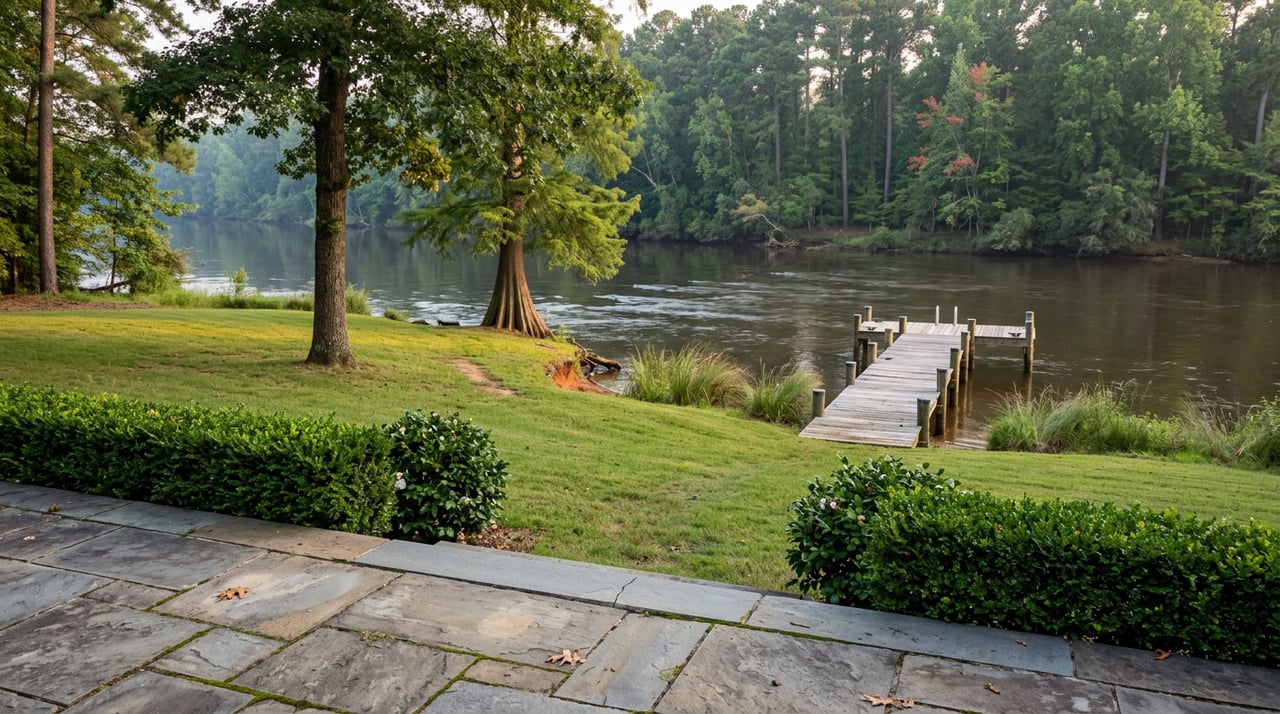
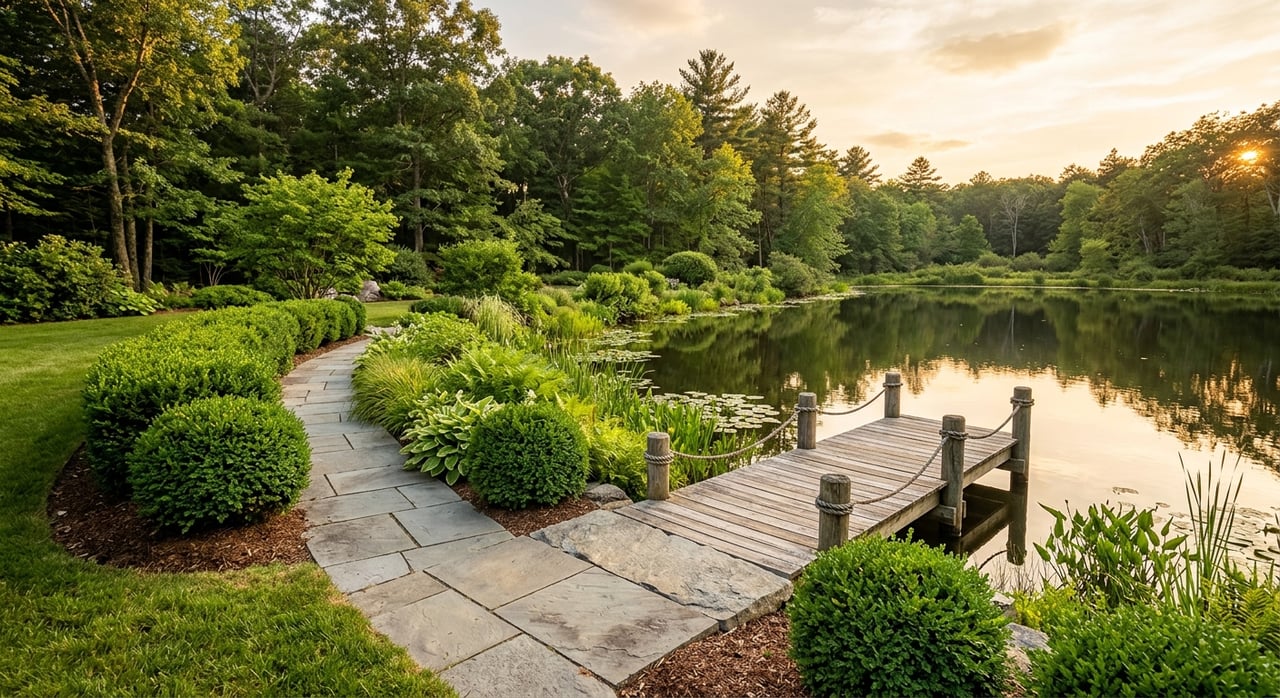
If you want a dock or other shoreline structure, expect state or federal permitting and possible local conditions. On the upside, a well-kept natural buffer can offer privacy, wildlife viewing, and aesthetic value that some buyers seek.
Step-by-step due diligence
Use this checklist before you write an offer or during your due-diligence period.
- Identify the watershed and likely rules
- Check which watershed the parcel drains to, such as Jordan Lake or areas of the Cape Fear basin. Watershed programs set many of the buffer standards and processes.
- Gather documents from the seller and listing agent
- Ask for a current survey or plat, any previous buffer determinations, septic permits, site plans, and any recorded conservation easements or HOA rules.
- Review county maps and records
- Use the Chatham County GIS viewer to examine mapped streams, buffers, floodplains, and recorded easements. Review Chatham County Planning and the Unified Development Ordinance for local buffer or stream protection rules and any watershed overlays.
- Get a site-specific determination
- Hire a licensed surveyor or environmental professional to locate and flag stream channels and buffer lines on the ground and on a sealed survey. A certified riparian buffer determination is often needed for permits.
- Confirm septic feasibility
- Consult Chatham County Environmental Health to verify soil suitability, septic setbacks from water features, and the capacity of any existing system. Make sure your bedroom count or planned additions are supported.
- Contact permitting authorities early
- Speak with Chatham County Planning and NCDEQ’s Division of Water Resources about your intended improvements. Ask whether a buffer authorization is needed, what the likely permit path is, and if mitigation will be required.
- Protect yourself in the contract
- Request seller disclosures related to buffers and permits. Include a contingency that allows time to complete surveys, buffer determinations, soil evaluations, and to obtain written feedback from county and state staff on feasibility.
After closing, keep organized files of permits, authorizations, and any mitigation plantings. These records help with future improvements and resale.
Smart questions to ask
Use clear, document-focused requests so you get useful answers.
- Is any portion of the lot inside a state or county riparian buffer? Ask: “Please provide any surveys, buffer determinations, or county or state correspondence that shows mapped buffer boundaries or permits affecting the property.”
- Can I place a home, garage, septic, or dock where I want? Next step: obtain a site-specific survey and plan a pre-application call with Chatham County Planning and NCDEQ to review options.
- What permits are needed to clear, grade, or build a driveway? Action: contact county land-disturbance permitting and NCDEQ to ask about buffer encroachment authorizations and whether mitigation is likely.
- Will a buffer reduce my buildable area or affect septic placement? Action: combine a soil evaluation with a survey that shows setbacks and buffer lines to confirm the buildable envelope.
- Are there conservation easements or HOA rules near the stream? Action: review title work, the deed, and HOA declarations for recorded restrictions.
Permits and mitigation basics
Not all work inside a buffer is treated the same. Routine vegetation maintenance and removal of hazardous trees are commonly allowed with limited paperwork, though definitions vary by program. Structural work or grading inside a regulated buffer usually requires a formal authorization.
If you do disturb a buffer, mitigation may be required. Common mitigation options include planting native vegetation in a restoration area on site, improving another buffer area off site, or contributing to an approved mitigation program where available. Some jurisdictions have a formal modification or variance process. Those are discretionary and require showing that you considered reasonable alternatives.
Timelines vary by project complexity. Early coordination with Chatham County and NCDEQ helps you understand steps, schedules, and design choices that reduce impacts.
Who to contact
Create your contact list early so you can move quickly during due diligence.
Local
- Chatham County Planning and Zoning for the Unified Development Ordinance, watershed overlays, local buffer and setback standards, and land-disturbance permits.
- Chatham County GIS staff or online viewer for streams, buffers, floodplains, and easements.
- Chatham County Environmental Health for septic approvals and setbacks.
- Town planning offices if the property is inside municipal limits.
State and regional
- NC Department of Environmental Quality, Division of Water Resources for watershed buffer programs, stream and wetland determinations, and permit pathways.
Federal
- U.S. Army Corps of Engineers for jurisdictional wetland and stream determinations and federal permitting.
Private professionals
- Licensed land surveyor to map property lines, streams, and buffer boundaries.
- Environmental consultant or civil engineer for buffer delineations, permitting support, and mitigation plans.
- Real estate attorney for easements, title issues, and restrictive covenants.
Other assistance
- Local Soil and Water Conservation District for riparian restoration guidance.
- Conservation groups for information on plantings and potential assistance programs.
Practical tips for buyers
- Do not rely on listing remarks alone. Verify buffers on a survey and with county and state staff.
- Treat maps as a starting point. On-the-ground determinations control where you can build.
- Plan your layout with buffers in mind. Adjust footprints, driveway routes, and septic areas early to reduce impacts and permit needs.
- Keep your records. The next buyer, lender, or insurer will appreciate clear documentation.
Final thoughts and next steps
Riparian buffers help keep Chatham County’s creeks, wetlands, and lakes healthy. They also shape how you design a property. With a careful checklist, early conversations with the county and NCDEQ, and a good site plan, you can protect water quality and your investment at the same time.
If you are weighing two parcels or refining a plan on a specific tract, our land-focused team can help you frame the due-diligence timeline and orchestrate a smooth path to closing. You get seasoned, rural property expertise paired with a concierge approach that keeps details on track. When you are ready to explore properties or discuss your goals, connect with Legacy Farms and Ranches.
FAQs
How do I know if a Chatham County parcel has a riparian buffer?
- Ask for surveys or buffer determinations, review county GIS for mapped streams, and have a licensed surveyor confirm buffer boundaries on site.
What permits are usually needed for work near streams in Chatham County?
- Contact Chatham County Planning for local requirements and NCDEQ’s Division of Water Resources for buffer authorizations; federal permits may apply for wetland impacts.
How can riparian buffers affect septic system placement?
- Buffers and stream or wetland setbacks limit where septic fields can go, so confirm soils and setbacks with Chatham County Environmental Health early.
Do riparian buffers always reduce property value?
- Not always; while buffers can reduce buildable area, they can also add privacy and reduce flood risk, which some buyers view as positive.
Are buffer widths the same across Chatham County?
- No; standards vary by watershed and stream classification, so verify the applicable program for the specific parcel and get a site-specific determination.
Can I clear vegetation inside a riparian buffer?
- Routine maintenance or hazardous tree removal is often allowed with limits, but grading and structural work usually require authorization and may need mitigation.