Your Vance County Mini Farm Guide for Smarter Planning
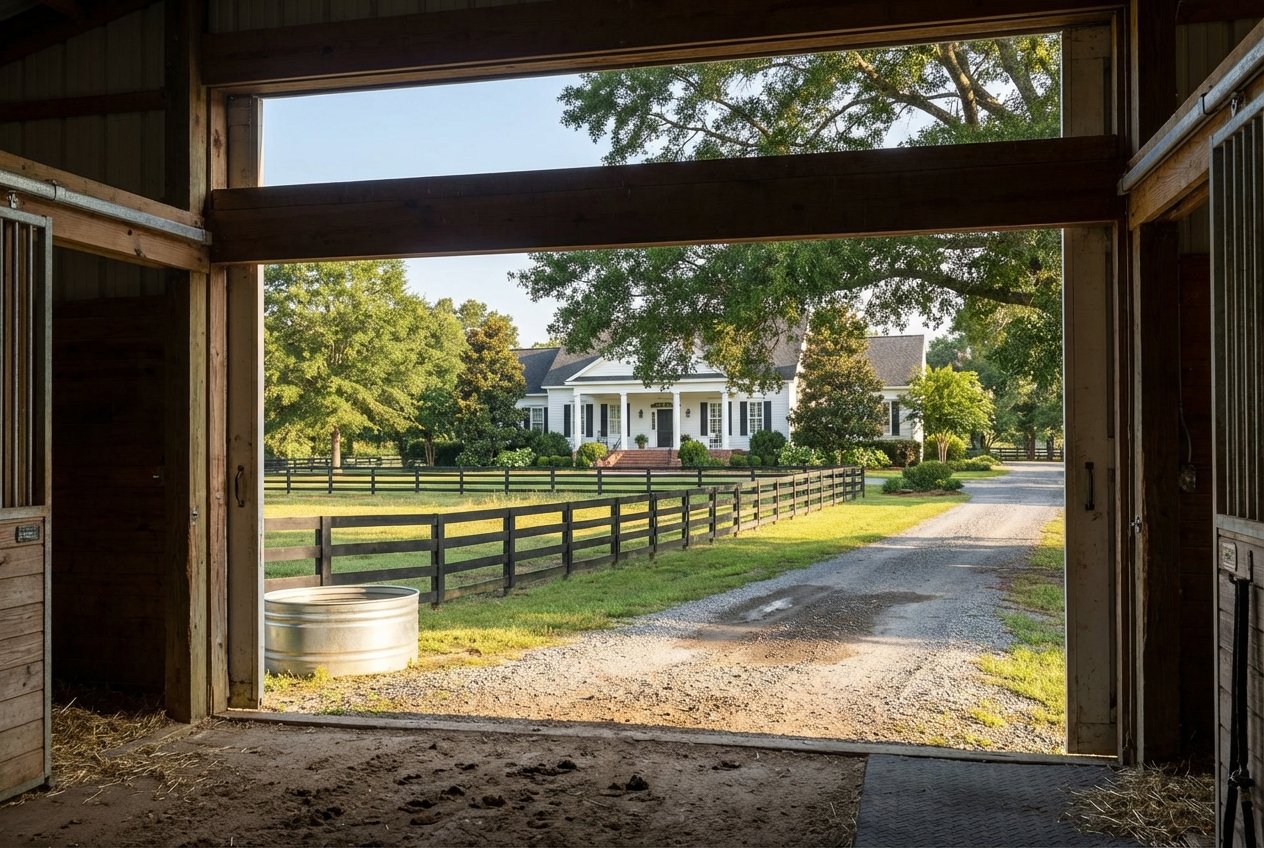
Picture your morning starting with a quiet walk across your own pasture, coffee in hand, and an easy drive to Raleigh when you need it. If you are exploring a mini-farm in the 27536 area around Henderson, you are not alone. Buyers are drawn to the combination of open space, flexible land use, and Triangle access. This guide shows you how to plan your purchase with confidence, from zoning and soils to wells, septic, and resale value. Let’s dive in.
A mini-farm can be as simple as a garden and a few hens or as involved as an orchard, paddocks, and a barn. In Vance County’s A-R zoning, the minimum rural lot size is 1 acre, and typical setbacks are 50 feet front, 25 feet side, and 35 feet rear. You should verify parcel-specific rules in the adopted Vance County Zoning Ordinance.
For practical planning, many hobby mini-farms fit on 1 to 10 acres. If you want multiple paddocks, a workshop, or space for a small herd, 5 to 20 acres can be more comfortable. These are planning ranges. Your layout must fit setbacks, septic fields, wells, driveways, and any overlays shown by Vance County Planning & Development.
Start with the building envelope. Map where a house and accessory buildings could sit while meeting A-R setbacks. On parcels of 5 acres or more, accessory structure placement can be more flexible, but structures must still respect required setbacks. Include the septic drainfield, proposed well location, and a driveway in your layout. Confirm parcel details in the county ordinance and review questions with county planning staff.
Your septic field and well must meet local health separation distances, and the county ordinance references separation minimums to protect groundwater and surface waters. As an example, sewage facilities are generally sited 100 feet from a well, with a potential reduction to 50 feet if the health department provides written documentation. Confirm your site plan and permits with Granville-Vance Public Health and the planning office using the zoning ordinance as a reference.
Plan paddocks, fencing, and animal shelters with rotation in mind to prevent over-grazing. Vance County’s ordinance treats bona-fide farms differently from residential hobby animal keeping. The ordinance lists accepted evidence for bona-fide farm status, such as a sales tax exemption certificate, Schedule F, a forest management plan, or present-use value property tax listing. Review permitted uses and agricultural definitions in the zoning ordinance. For stocking rates and pasture needs, reach out to Vance County Cooperative Extension for technical guidance.
Parts of rural Vance County are served by the Vance County Water District. The county lists connection process and fees, including an example connection fee of about 1,600 dollars, meter and install around 195 dollars, and a refundable deposit in the 150 dollar range. There may also be a bore fee if a road crossing is required. Many parcels will still need a private well. Confirm if your parcel is in a service area and request current fees with the Vance County Water System.
Granville-Vance Public Health handles site and soil evaluations, septic permits, and well permits. If a property already has a septic system, ask for the septic permit and any as-built documentation. If you plan to build, schedule a vacant land evaluation or perc test before closing. Many transactions require proof of septic permitting when a system serves the home. Learn about the process through GVPH Environmental Health.
Soils in the Henderson area of the Piedmont often include clayey horizons, like the Vance soil series, that can slow drainage and influence septic design. Use the USDA Web Soil Survey to review soil types on a specific parcel, then follow up with a site evaluation or Level-3 soil study for a building and septic plan. For gardens and pasture, submit soil samples through NCDA and Extension using the state’s soil testing guidance. Studying the Vance soil series description helps you understand local drainage patterns before you invest.
Parts of Vance County fall within watershed and riparian protection areas, including Tar-Pamlico Basin sections with a 50-foot riparian buffer. Flood-damage prevention rules can also affect siting. These overlays may change where you can place buildings or agricultural areas. Review the adopted rules in the zoning ordinance and check maps or speak with staff at Vance County Planning & Development.
Henderson to Raleigh is roughly 44 to 45 driving miles, often 45 to 75 minutes depending on route and traffic. RDU Airport is about 50 miles. If you plan to commute, proximity to I-85 and the US 158 and US 1 corridors has a real impact on daily drive time and future buyer interest. You can spot check your route using a sample tool like the TravelMath drive distance for Henderson to Raleigh.
Access can also shape long-term value. Parcels closer to interstate exits tend to stay on more buyer shortlists because of convenience, but they can also sit near future growth pressure. Ask planning staff about the county land-use plan and any recent rezoning trends so you understand the long view in the area around your target parcel. The planning and development page is a good starting point for current documents and contacts.
Your budget should cover due diligence and improvements. Up front, plan for surveys, soil and site evaluations, septic and well permits, and water tap fees if available. Then add typical build-out items like driveway grading, fencing, gates, waterers, barns or sheds, and pasture establishment.
Septic and soils deserve special attention. Piedmont clays can call for alternative septic designs. Include a contingency for engineered systems if your site evaluation shows low permeability. Keep copies of all permits and reports since lenders often require them, and they help when you sell.
When you are ready to compare parcels or assemble a site plan that fits your goals, connect with a land-focused team that knows rural due diligence and Triangle buyer priorities. The right guidance helps you avoid costly surprises and positions your mini-farm for enjoyment and long-term value.
If you want to walk through options in Vance County or across central North Carolina, reach out to Legacy Farms and Ranches for a conversation with a land specialist who understands soils, permitting, and rural improvements.
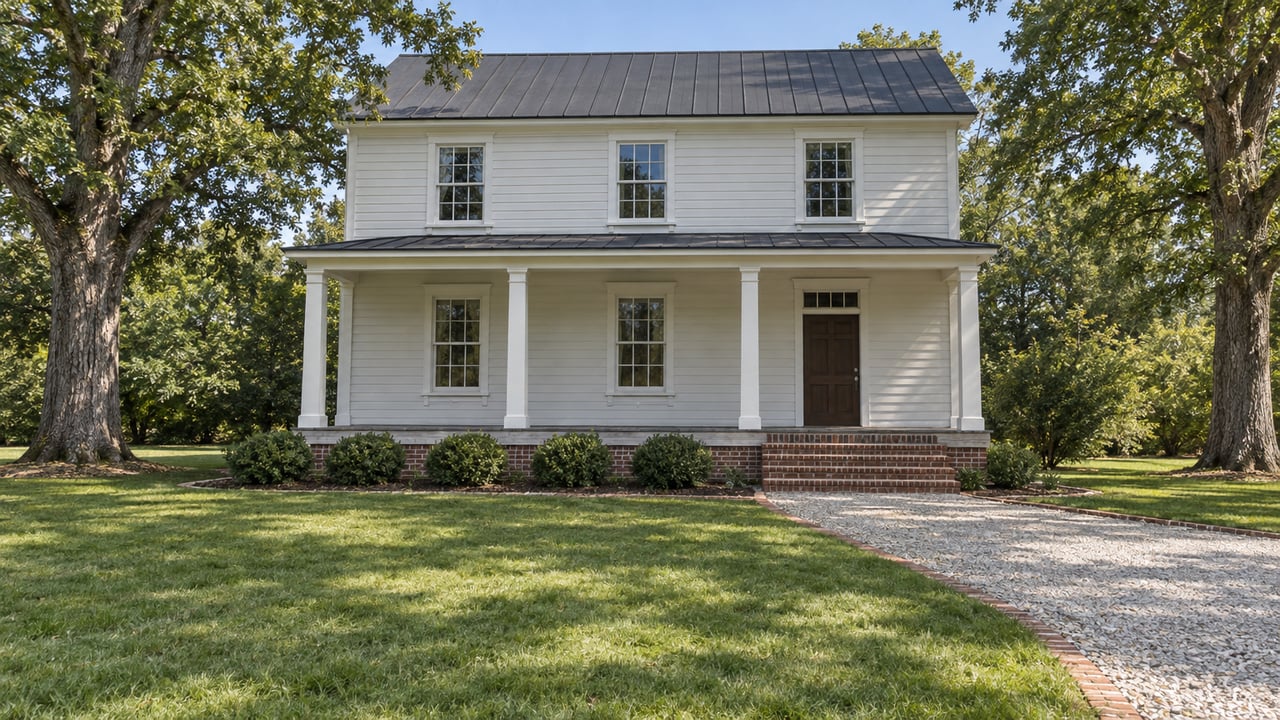
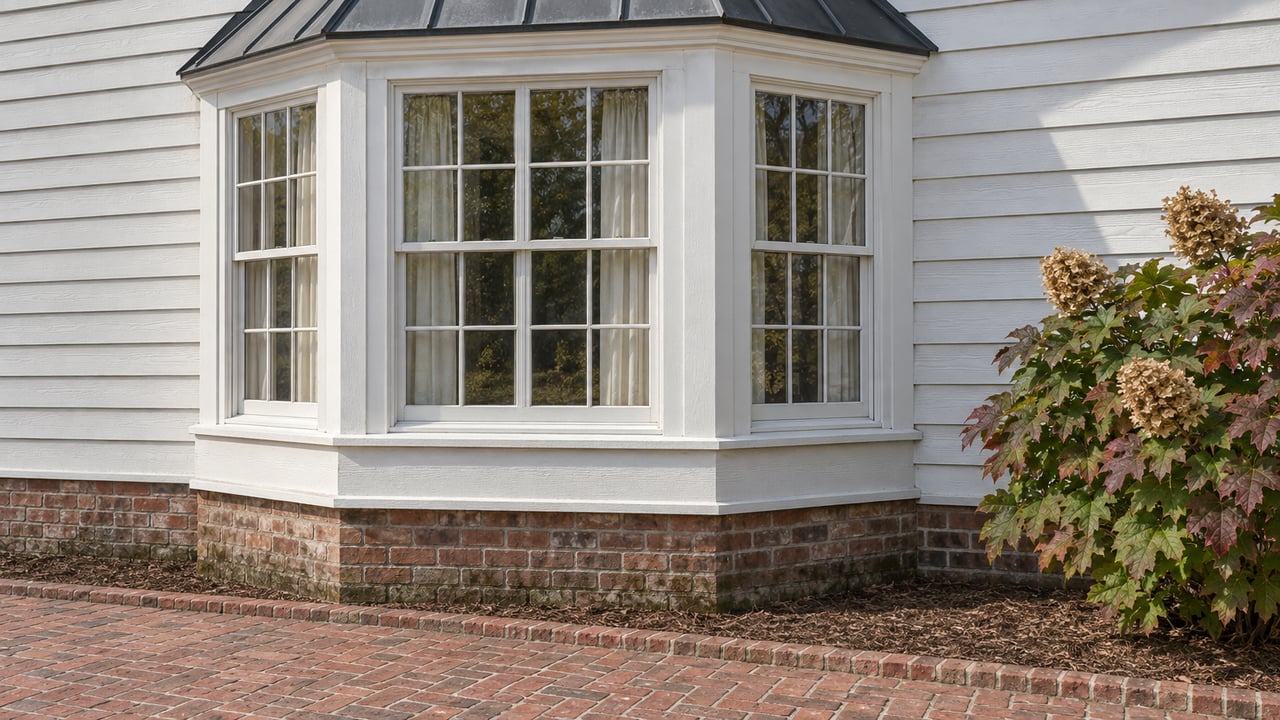
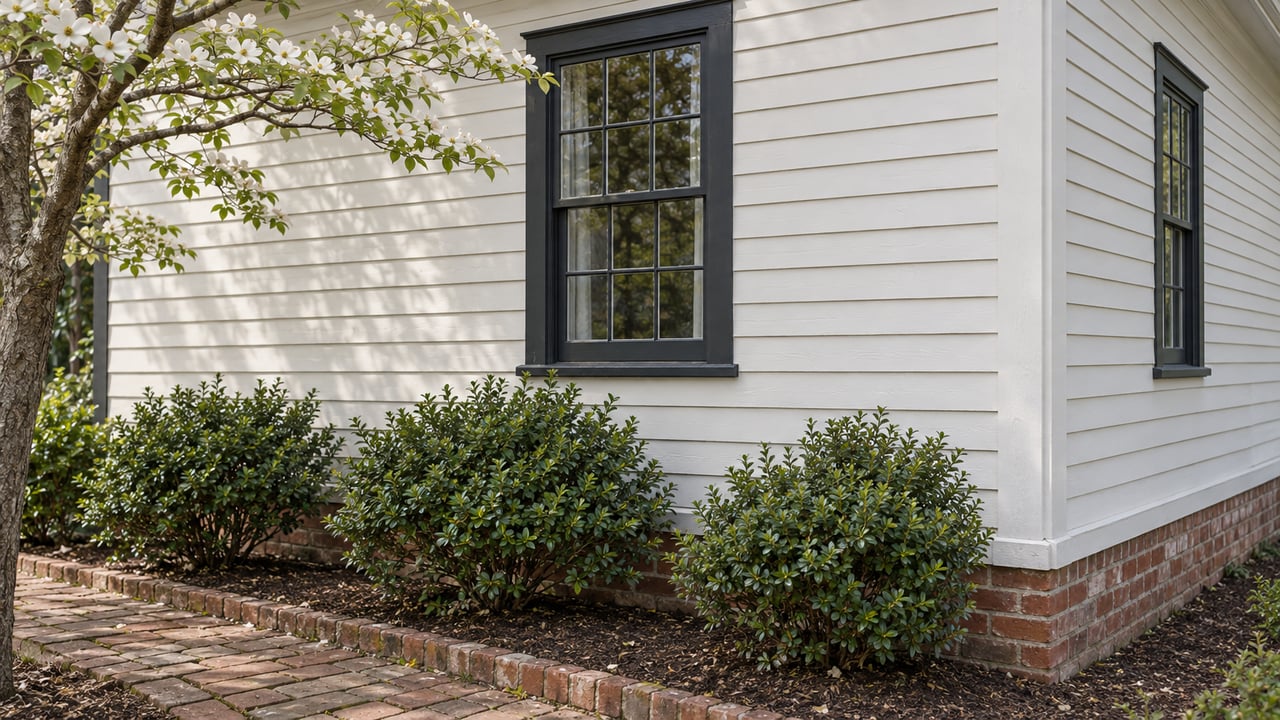
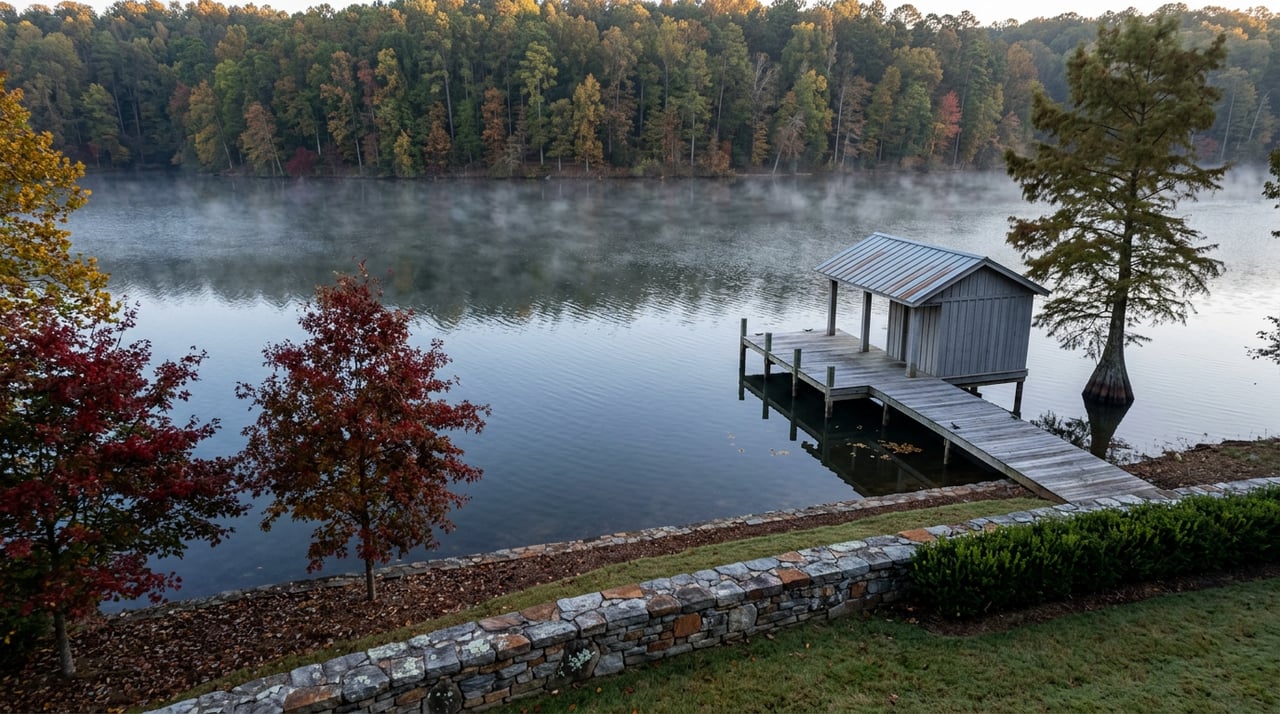
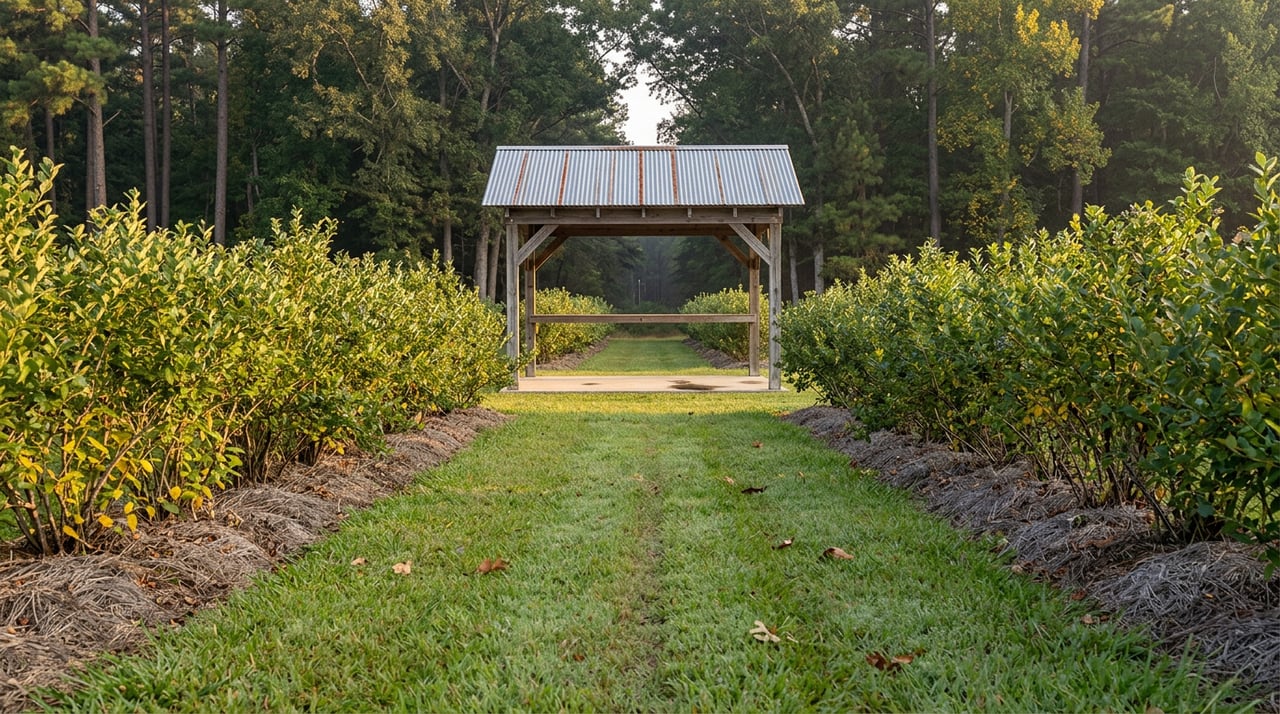
If you have a unique country home, hunting or fishing land, or other premier North Carolina property for sale, call Legacy Farms and Ranches today to learn how they can help you market your property to thousands of discerning viewers across the country.
Get In Touch With Our Team To Learn More About Our Services! Although the disclaimer is below, we will only put you on our Newsletter Mailing List!
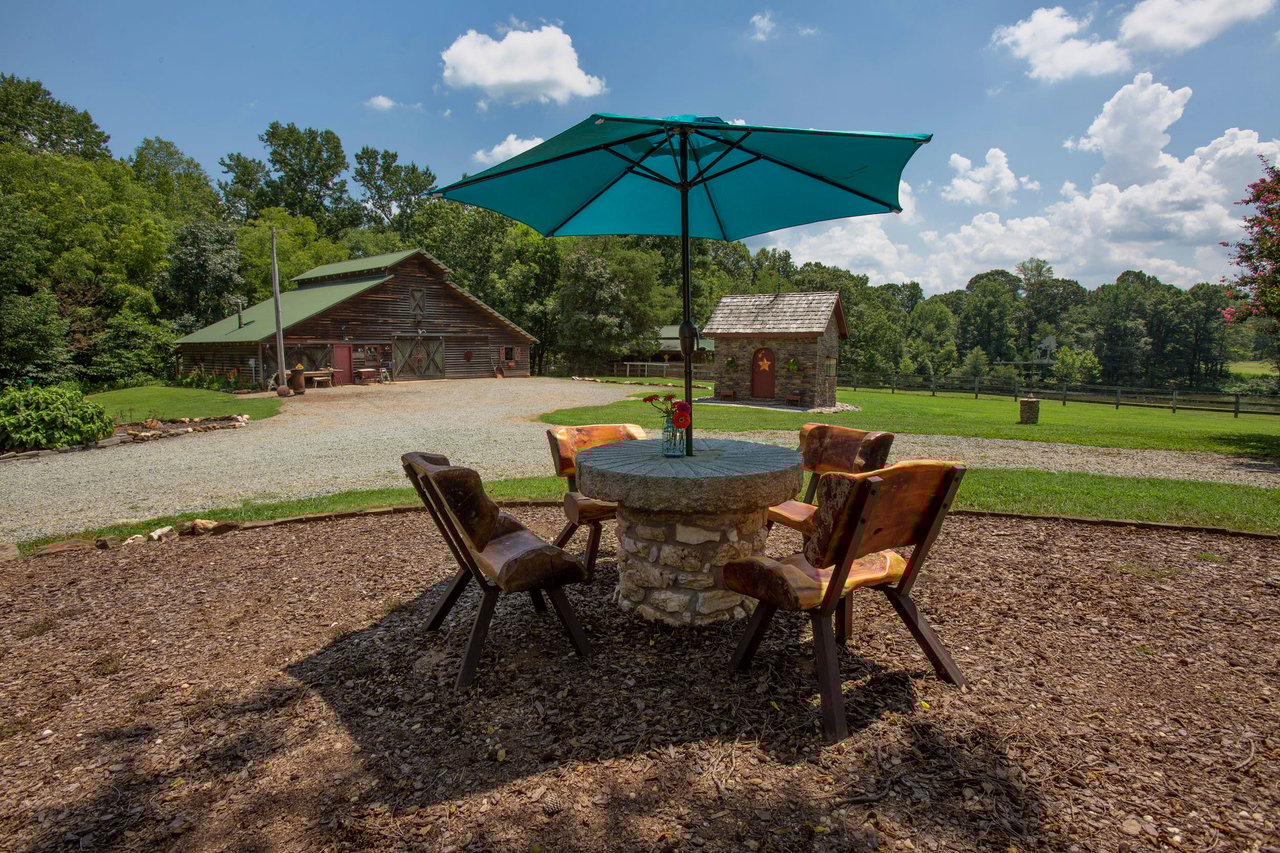
Legacy Farms and Ranches of FM Realty
8521 Six Forks Road, Ste 105 Raleigh, NC 27615