Commute-Friendly Mini-Farms Near Raleigh: Harnett County
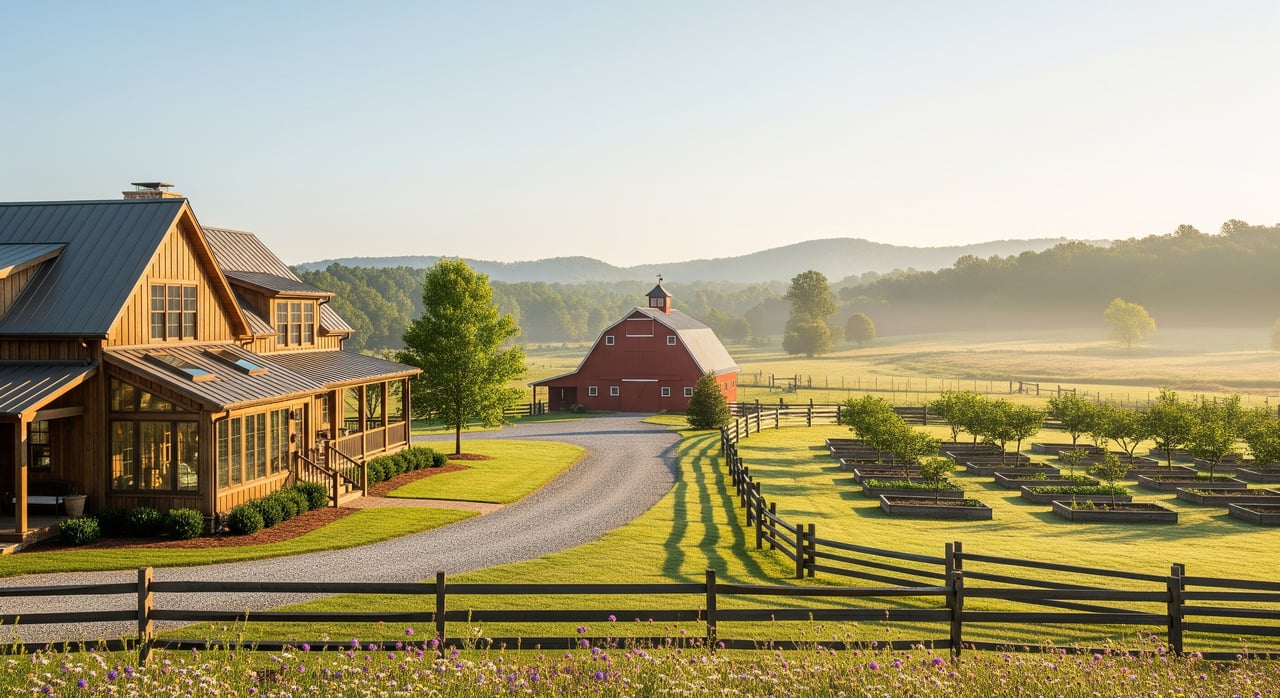
Want pasture, a big garden, and a barn without giving up your Raleigh job? If you are eyeing mini-farms in Harnett County’s 27526 area, you can often have both space and a manageable drive. With thoughtful property selection and solid due diligence, you can balance rural living with city access. This guide walks you through commute realities, land and utility basics, financing and tax considerations, and practical next steps. Let’s dive in.
If you need to reach Raleigh most days, parts of Harnett County, including areas within 27526, commonly fall within a roughly 30 to 60 minute drive to parts of the city under normal traffic. Peak times can run longer, so plan your schedule and route. Main corridors toward Raleigh include US-401 and connections into I-40 and I-440 once you get into the metro. Public transit between Harnett County and Raleigh is limited, so most commuters rely on private vehicles. When you evaluate a property, consider daily drive time, road surface quality, and your best route options.
Mini-farms typically range from 1 to 10 acres, with 2 to 10 acres popular for hobby use. You can set up raised beds, small orchards, a greenhouse, and keep small livestock such as chickens or goats. Some buyers keep a horse or two with basic paddocks and a run-in shed or small barn. The key distinction is scale and intent. A hobby mini-farm is different from a commercial agricultural operation and may involve different permitting, taxation, and financing paths.
Harnett County and municipal jurisdictions use zoning and land development rules that shape what you can build and where you can build it. Setbacks, lot coverage limits, and overlay districts such as watershed or floodplain buffers may affect the location of homes, barns, and septic systems. Some tracts also have recorded covenants or deed restrictions that limit certain activities or the number of structures. Before you offer, check zoning and any recorded restrictions with county offices and confirm what is allowed on that specific parcel.
Most rural mini-farms in Harnett County use private wells. You should verify well location, depth, and yield, and test water quality. Well construction follows state standards, and well records can often be obtained or verified during due diligence. Rural parcels also typically rely on on-site septic systems. Harnett County Environmental Health evaluates soil and site conditions and issues septic permits. Soil type, slope, and proximity to water features influence system type and cost.
Soils and drainage are central to gardening, pasture health, and septic feasibility. Reviewing soil maps helps you plan where to place future barns, gardens, or paddocks. Also confirm FEMA flood maps and any floodplain designations so you understand if special building requirements or insurance may apply.
Some buyers want a pond for livestock or irrigation. Depending on how a pond connects to streams or wetlands, state and federal agencies may require permits. Riparian buffer rules or water-supply watershed protections can apply in portions of the county. If you plan new pond work, stream crossings, or grading near creeks, factor in time and budget for permits and professional guidance.
Confirm how you access the property. Is it on a state-maintained road, a county road, or a private easement? Private roads often need documented maintenance agreements. New access points may require driveway permits and sometimes culverts. Broadband speeds vary widely in rural areas, so verify current providers and service levels before you commit. Electric service is generally available, but provider coverage differs by location, and you should verify service type and any upgrades needed for barns or workshops.
Many mini-farm buyers use conventional mortgages for a residence on small acreage. Lenders may review acreage, access, well and septic inspections, and comparable sales closely, which can affect terms or documentation. USDA Rural Development loans may be an option for eligible rural homebuyers, subject to income and property eligibility. If you intend to operate beyond hobby scale, you can explore agricultural lending programs, including options through the USDA Farm Service Agency.
North Carolina’s present-use value programs can reduce property taxes for qualifying agricultural or forestry use. Harnett County sets local procedures and documentation requirements, such as acreage minimums and qualifying income or use thresholds. If you think you may qualify, plan ahead and discuss timing and requirements with county staff.
Standard homeowners insurance may not cover all rural risks. You may need endorsements for outbuildings, equipment, fences, and livestock. If you have a pond or plan new structures like barns, confirm coverage and any underwriting requirements. If any part of the property sits in a FEMA floodplain, your lender may require flood insurance.
Properties with shorter drives to Raleigh or easy access to major corridors typically command higher prices. Improvements such as barns, fencing, quality pasture, cleared fields, good internal roads, and proven well and septic capacity add convenience and value. Soil quality and water availability matter, especially if you plan gardens, orchards, or livestock. As the region grows, tracts near key corridors can see more development pressure and changing land-use patterns.
Use this quick checklist to stay focused:
Plan enough storage for tools, feed, and equipment. Many buyers add a small tractor, utility vehicle, or attachments for mowing and grading. Evaluate fence condition and design paddocks for rotational grazing if you keep livestock. Line up veterinary support and plan for biosecurity, manure management, and water access that follows best-management practices. Small, well-planned improvements can make daily chores faster and safer.
Choosing the right mini-farm is part expertise and part logistics. From analyzing soils, siting barns, and confirming access to coordinating inspections and connecting you with lending and insurance resources, you want a partner who knows rural property inside and out. At Legacy Farms and Ranches, our land-specialist team pairs decades of hands-on farm and equestrian experience with concierge support and premium marketing to help you buy or sell with confidence. If you are considering a commute-friendly mini-farm in Harnett County’s 27526 area, reach out and let’s plan your next steps together.
If you have a unique country home, hunting or fishing land, or other premier North Carolina property for sale, call Legacy Farms and Ranches today to learn how they can help you market your property to thousands of discerning viewers across the country.
Get In Touch With Our Team To Learn More About Our Services! Although the disclaimer is below, we will only put you on our Newsletter Mailing List!
Legacy Farms and Ranches of FM Realty
7980 Arco Corporate Dr Ste 105 Raleigh NC 27617