Conservation Easements in Orange County: Owner’s Guide
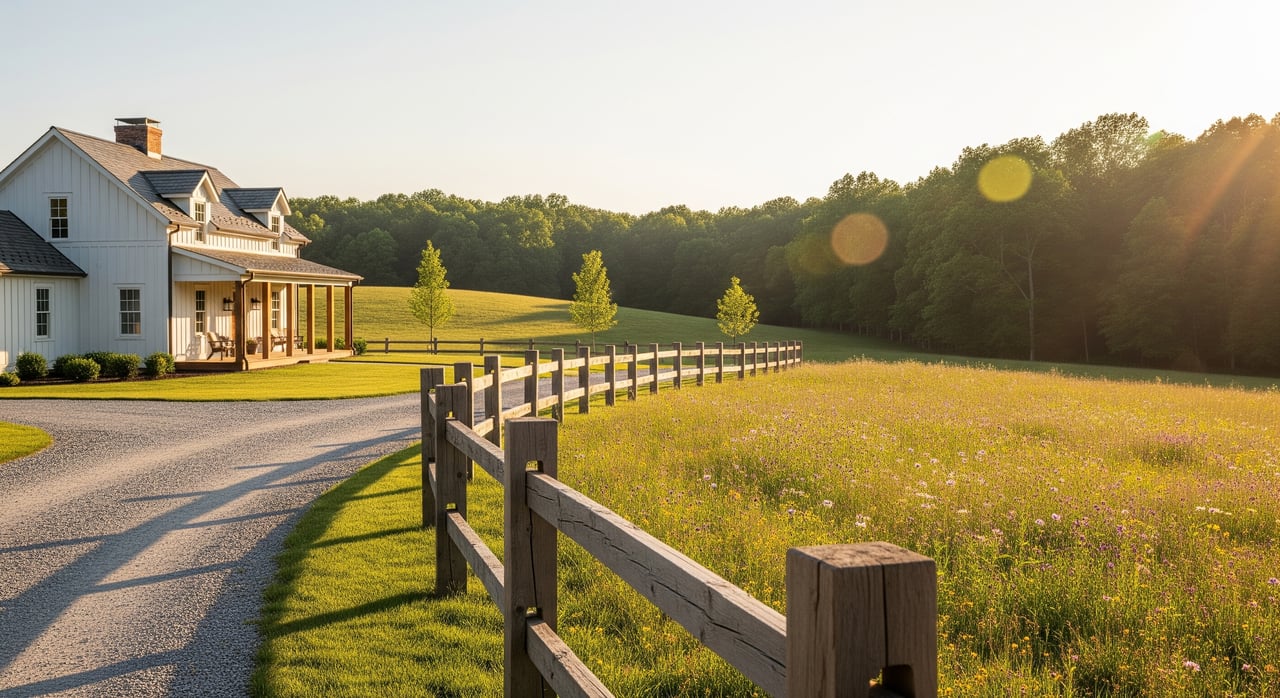
What if you could preserve the rural character of your Orange County land and still keep farming, hunting, or harvesting timber? If you own acreage around 27278, you have likely felt Triangle growth pressures and wondered how to protect what you love about your property. Conservation easements offer a way to lock in stewardship goals while shaping future use and, in some cases, creating tax or cash benefits. In this guide, you’ll learn what a conservation easement is, how it works in Orange County, and how to decide if it fits your goals as an owner or buyer. Let’s dive in.
A conservation easement is a voluntary, legally recorded agreement that limits certain uses or development rights to protect conservation values. You keep ownership and many day-to-day rights while the easement sets clear limits on what can change over time. Most easements are permanent because many programs and federal tax rules require perpetuity for benefits.
A qualified holder, such as a land trust or government agency, accepts the easement and is responsible for monitoring and enforcement. The deed lists the easement’s conservation purposes, such as working farmland, habitat, water quality, scenic open space, or historic features. It also spells out which rights you keep and which are restricted.
Monitoring is a normal part of the commitment. The holder prepares a baseline documentation report at closing, then visits periodically to confirm the property’s condition and compliance with the easement’s terms.
Orange County’s rural tracts around Hillsborough and Chapel Hill include working farms, timber, and habitat corridors. With Triangle proximity, development pressure can be high, which is why some owners consider easements to preserve agricultural or forest uses.
Local land use and tax programs still apply. Zoning, subdivision, septic, and well rules continue to govern what you can build or change. An easement can be more restrictive than zoning, but it does not replace county permitting.
Present-use valuation can matter for tax planning. Orange County administers agricultural, horticultural, and forestland present-use programs that may lower annual property taxes for qualifying land. An easement may interact with eligibility, so talk to the Tax Office before committing.
Regional partners may help you evaluate options. Land trusts and agencies active in the Triangle and across North Carolina work with Orange County owners. Some projects qualify for public funding that purchases all or a portion of the easement. Funding is competitive and often prioritizes high ecological value, connectivity, or working lands protection.
Easements are tailored to your property and goals. Many are written to keep the land in production while curbing subdivision or commercial development.
Common permitted uses include:
Public access only occurs if you explicitly grant it. Most working-land easements preserve private use with no public access unless the deed says otherwise. The easement will define allowed improvements, building envelopes, roads, and management practices tied to the conservation purposes.
The market value impact depends on which rights you extinguish. Appraisers measure the easement’s value as the difference between the property’s fair market value before and after the easement. Limiting subdivision and development usually reduces value. Where development pressure is strong, the change can be significant.
Owners can sell an easement for cash if public programs or land trusts have funding. Others choose to donate an easement, which may create a federal charitable income tax deduction if the easement meets Internal Revenue Code requirements. A qualified appraisal and proper IRS reporting are required for donations. Deduction limits vary, and unused deductions can sometimes carry forward for several years.
North Carolina’s direct state tax credit programs have been limited historically. Present-use agricultural and forestry programs are separate and county-administered. Coordinate with the Tax Office to understand how an easement and present-use status interact for your parcel.
Estate planning is another consideration. Reducing a property’s development potential can affect estate value and, in some cases, estate taxes. Because the rules are complex, speak with a CPA and an estate attorney early.
If your property has a mortgage, your lender usually must consent to the easement. Lender subordination is a practical requirement for donated easements and can be necessary for purchased easements.
An easement runs with the land. Future buyers are bound by the same terms you agreed to. While removing development potential can narrow the buyer pool, many buyers actively seek protected rural properties because the conservation character is guaranteed. Clear documentation and a strong relationship with the easement holder can make future sales smoother.
A well-structured easement can be a good match if you want to preserve working land and set clear guardrails for future uses. It can also be a tool to align long-term stewardship with financial or estate planning.
It may fit if you:
For buyers looking in 27278, easement-protected properties can deliver certainty about what will surround you in the future. If you value privacy, open space, and long-term stewardship, an easement can be a positive feature.
Conservation easements come together through a structured sequence. Expect several months to a year or more depending on appraisal schedules, board approvals, title cleanup, and funding cycles.
Typical steps:
Good stewardship lasts beyond closing. Expect periodic monitoring visits and coordination with the holder on any projects that touch restricted areas. Transactions often include a stewardship fund to ensure the holder can monitor and enforce the easement in perpetuity. Some land trusts request a contribution when you donate an easement. Clarify these expectations before you commit.
Conservation easements are powerful tools, but details matter. You can avoid most issues with clear language, early lender engagement, and experienced advisors.
Watch out for:
Use this quick list to organize your next steps:
If you plan to sell, an easement can shape the buyer profile and pricing. Clear marketing that explains permitted uses, building envelopes, and management plans helps the right buyers connect with your property. If you plan to buy, review the deed, baseline report, and monitoring policy so you know exactly what you can do and how to coordinate with the holder.
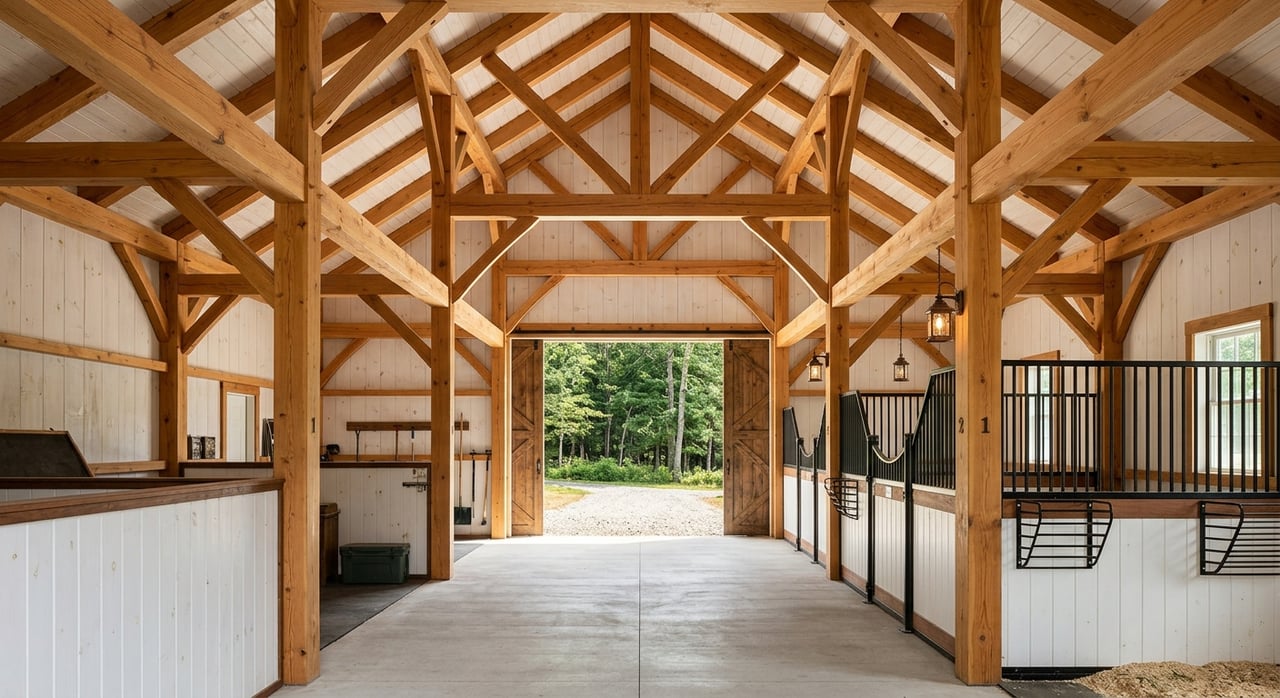
You do not have to navigate this alone. Our team understands working lands, timber, equestrian facilities, and complex rural transactions. We help sellers position easement-protected properties with accurate narratives and premium media. We help buyers evaluate stewardship fit and assemble the right professional team.
If you want a confidential conversation about how a conservation easement could support your goals in 27278, reach out to Legacy Farms and Ranches. Let’s talk through options and next steps that respect your land and your legacy.
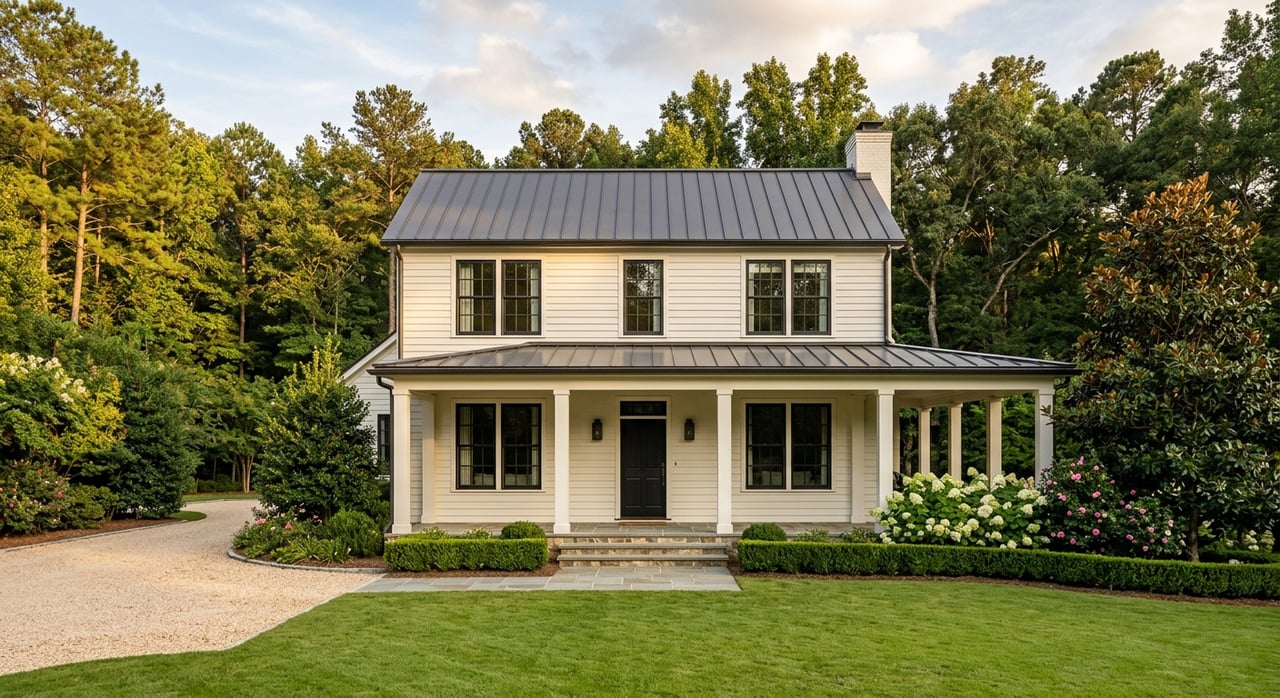
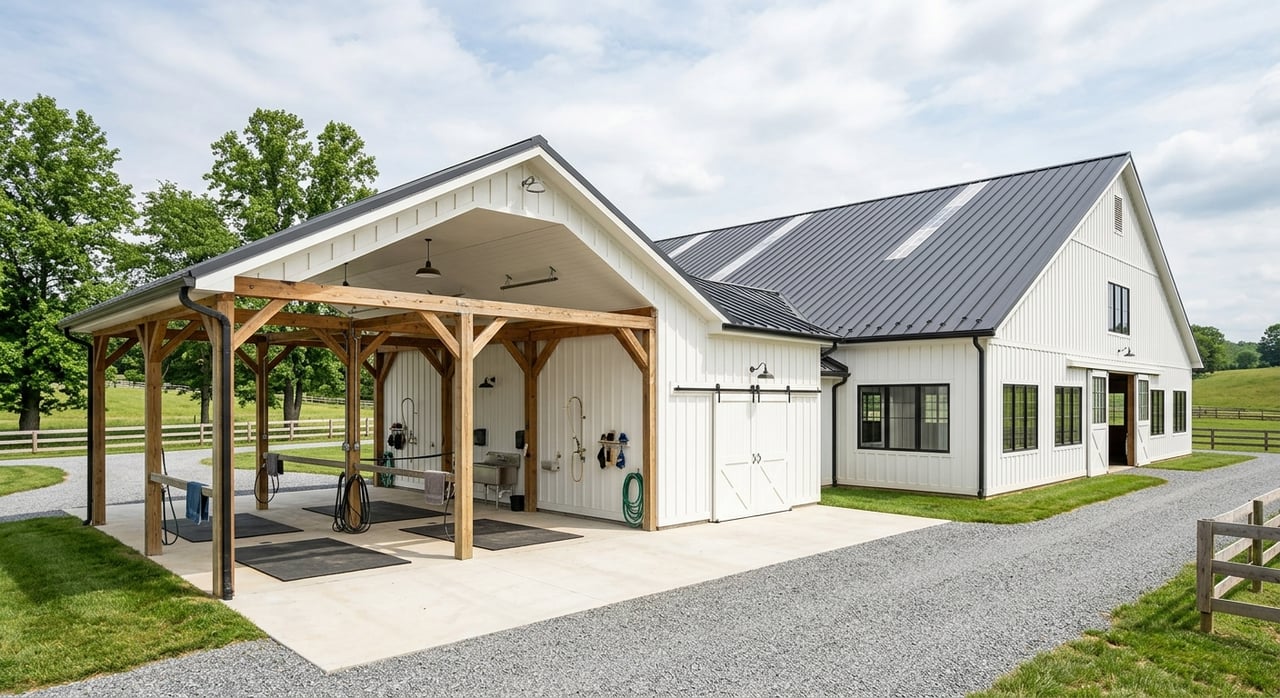
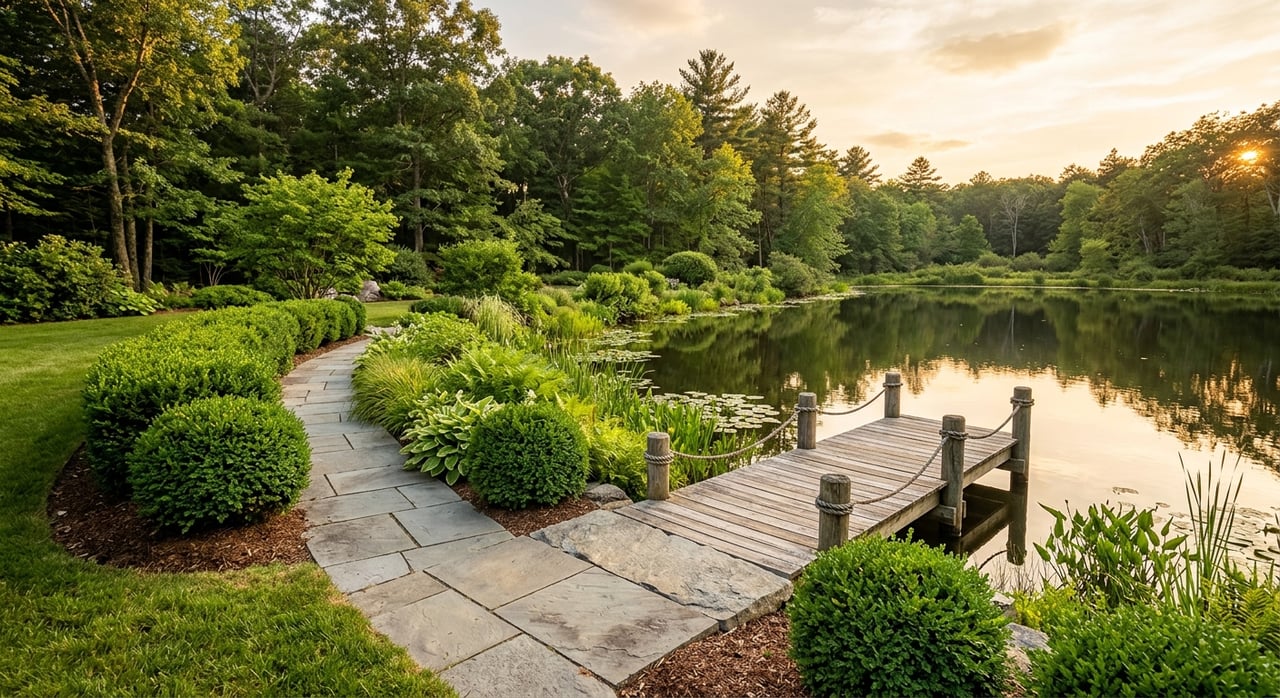
If you have a unique country home, hunting or fishing land, or other premier North Carolina property for sale, call Legacy Farms and Ranches today to learn how they can help you market your property to thousands of discerning viewers across the country.
Get In Touch With Our Team To Learn More About Our Services! Although the disclaimer is below, we will only put you on our Newsletter Mailing List!
Legacy Farms and Ranches of FM Realty
7980 Arco Corporate Dr Ste 105 Raleigh NC 27617