What Country Living Looks Like In Franklin County
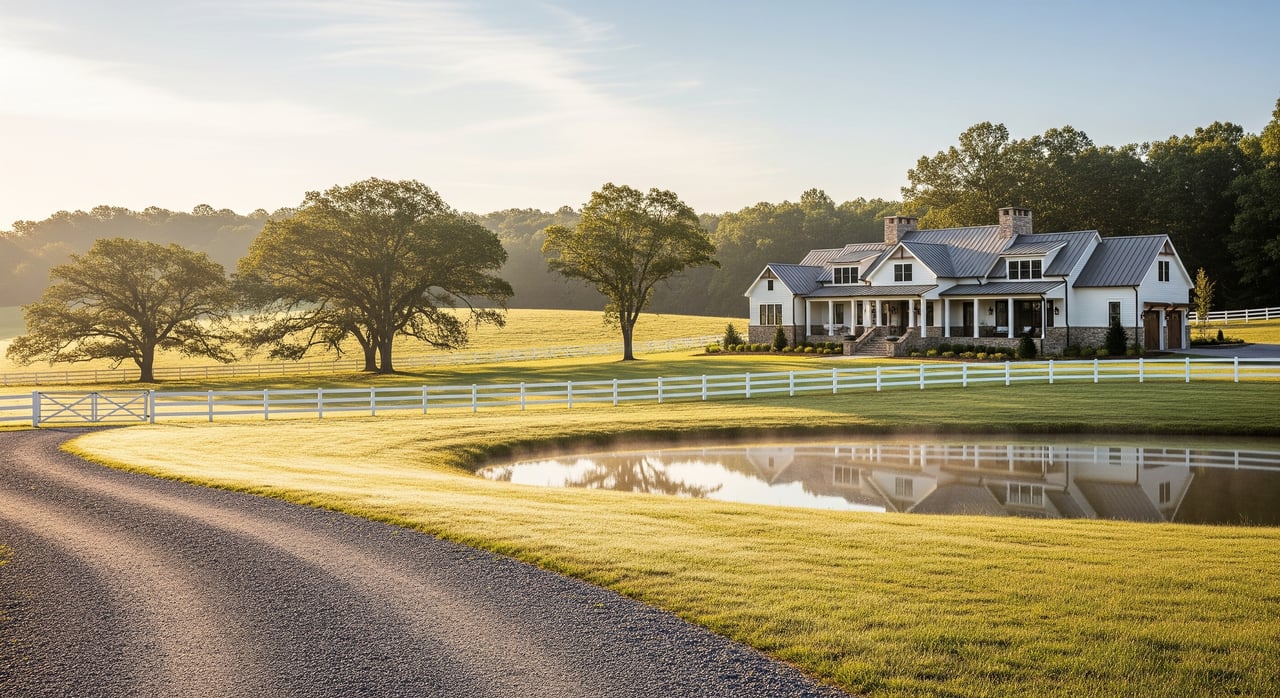
Thinking about a little more elbow room without losing access to the Triangle? If you picture morning coffee on a porch, a small garden, maybe a few chickens, Franklin County’s 27508 area around Franklinton might fit your life. You want the privacy and flexibility of country living, but you also need clear expectations about commutes, utilities, and the day-to-day routine. This guide shows you what country living really looks like here so you can shop with confidence and plan your next move. Let’s dive in.
Franklinton sits in northeastern Franklin County in North Carolina’s Piedmont region. The landscape is a mix of rolling hills, hardwoods, and pines. Louisburg is the county seat and is an easy drive from town.
You can expect a mild climate with a long growing season compared with more northern states. Central North Carolina generally falls between USDA Zones 7b and 8a, with moderate rainfall that supports gardens, pasture, and mixed farming. Always confirm the current zone for your exact location before you plan plantings.
The county’s roots are agricultural. Historic crops include tobacco, soybeans, corn, and hay, along with poultry and some fruit and vegetable production. In recent years, demand has grown for small acreage parcels and hobby farms within an easy drive of the Triangle, especially in the 5 to 20 acre range.
These small rural residential lots appeal if you want privacy and room to breathe. You can fit a kitchen garden, a few raised beds, and often a small flock of backyard hens. Many homes are farmhouse or ranch-style with space for a workshop or detached garage.
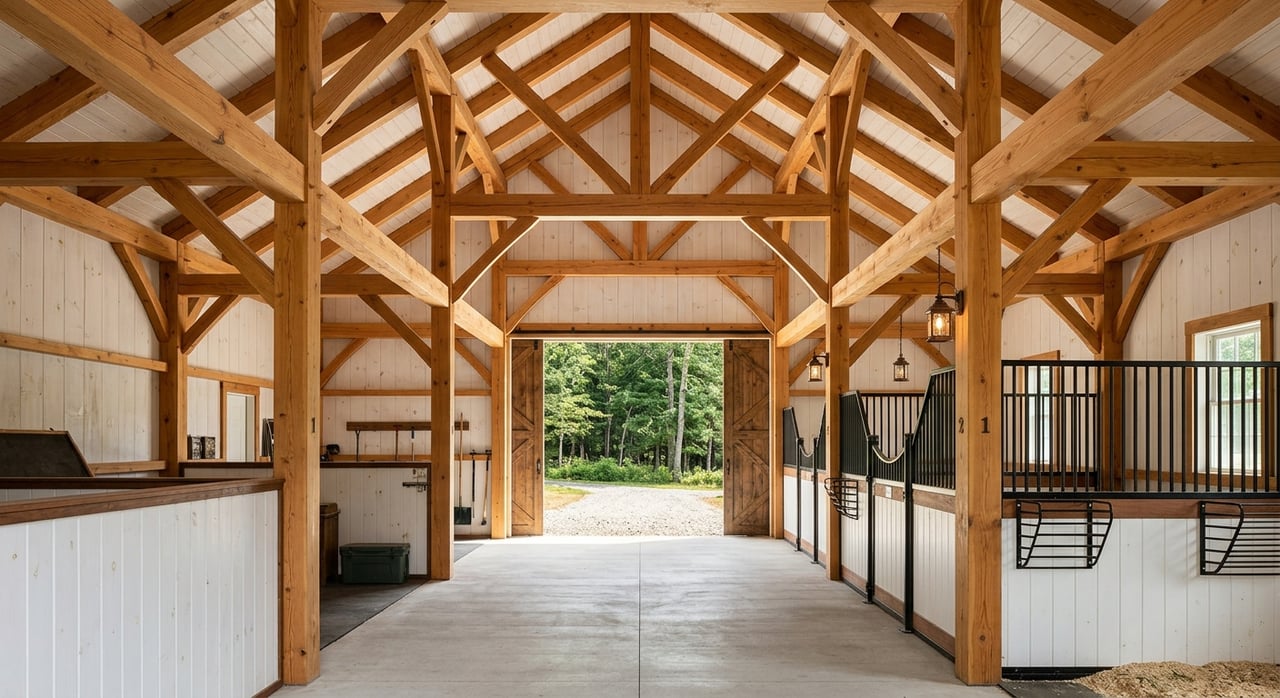
This is a sweet spot for buyers who want real flexibility. You might have a couple of paddocks for goats or horses, a modest barn or run-in, a productive garden, and a small woodlot. Cross-fencing for rotational grazing is more common as acreage increases.
On these parcels you often see active pasture, hay production, or row crops. Some buyers use a portion of the land for agriculture and leave the rest in timber. Larger equipment sheds, multi-bay barns, and expanded road systems are more typical here.
Large blocks are less common near town but do exist. These properties attract buyers interested in hunting, timber investment, estate-style builds, or long-term conservation goals.
Piedmont soils vary from clay-loam to sandy-loam with pockets of red clay. Drainage changes across a parcel, so some garden sites may benefit from raised beds or soil amendments. The topography is gently rolling with steeper slopes near streams. Many properties include mixed hardwood and pine stands that can supply firewood, wildlife habitat, or selective timber harvests.
Franklin County has use-value taxation programs that can lower property taxes for qualifying agricultural or forestry land. These are commonly called present-use value classifications. Always confirm eligibility, maintenance requirements, and potential rollback taxes with the county tax office before you change land use or subdivide.
The long growing season supports a wide range of vegetables, berries, and ornamentals. Many owners start with raised beds, add a small hoop house or cold frame for season extension, and keep a compost pile. Rain barrels are popular for water catchment. Check any local rules before installing systems.
If you are new to gardening in the Piedmont, the county Cooperative Extension office is a go-to resource. You can access soil testing, plant disease advice, and Master Gardener programs to shorten your learning curve.
On 1 to 20 acre properties, you commonly see backyard poultry, small flocks of goats or sheep, and 1 to 3 horses. Beehives are increasingly popular for pollination and honey. Cattle require more acreage and careful pasture management, so they show up more often on larger tracts.
In unincorporated county areas, agricultural uses are generally allowed. Town limits may have different ordinances. Before you buy, verify HOA or deed restrictions, animal control rules, and any setbacks for barns and coops. Plan for manure and compost management to keep your site healthy and neighbors comfortable.
A typical morning includes feeding and water checks for animals, a quick look at fences, and garden tasks. If you keep dairy animals, expect milking on a regular schedule. Equipment maintenance is part of the lifestyle, whether that is a mower, a small tractor, or an ATV.
You will find small farmers markets and seasonal produce stands in Franklinton and nearby towns like Louisburg. County fairs and Cooperative Extension workshops are great for learning and meeting neighbors. Outdoor recreation is close by, including fishing, hunting, trail riding, and regional parks within a half hour to an hour. Many residents are involved in volunteer fire departments, church groups, 4-H and FFA, and local equestrian circles.
Many Franklin County residents commute into Wake County and the broader Triangle. From Franklinton to downtown Raleigh, the drive is roughly 25 to 40 miles and typically takes 30 to 50 minutes depending on traffic and your exact start and end points. Proximity to US-1 or US-401 can make a big difference, so map your likely routes and test run them at peak hours if commute time is a top priority.
Franklin County Schools operates public K–12 schools, including Franklinton High School serving the town area. Confirm school assignments and bus routes directly with the district. Routine healthcare is available in town centers, while major hospital services are in Raleigh and surrounding counties. Volunteer fire departments are common, and response times vary with distance to the nearest station. It helps to know where the closest fire and EMS stations are before you buy.
If the property is enrolled in agricultural or forestry present-use value programs, understand the requirements to maintain that status. Ask about rollback taxes if you intend to change land use, subdivide, or build. Conservation easements and agricultural districts may also be in place on some parcels. These can affect future development and resale plans.
Country living in 27508 offers space, privacy, and the freedom to build a lifestyle that fits you. The tradeoffs are real, from wells and septic to variable internet and longer drives, but the rewards can be even bigger. With the right due diligence and a clear plan, you can enjoy gardens that thrive, animals that flourish, and a home base that still keeps you connected to the Triangle.
If you want an experienced guide to help you compare parcels, evaluate soils and improvements, and plan a smooth transition, talk with the land specialists at Legacy Farms and Ranches. We pair deep local knowledge with concierge service to help you find the right fit.
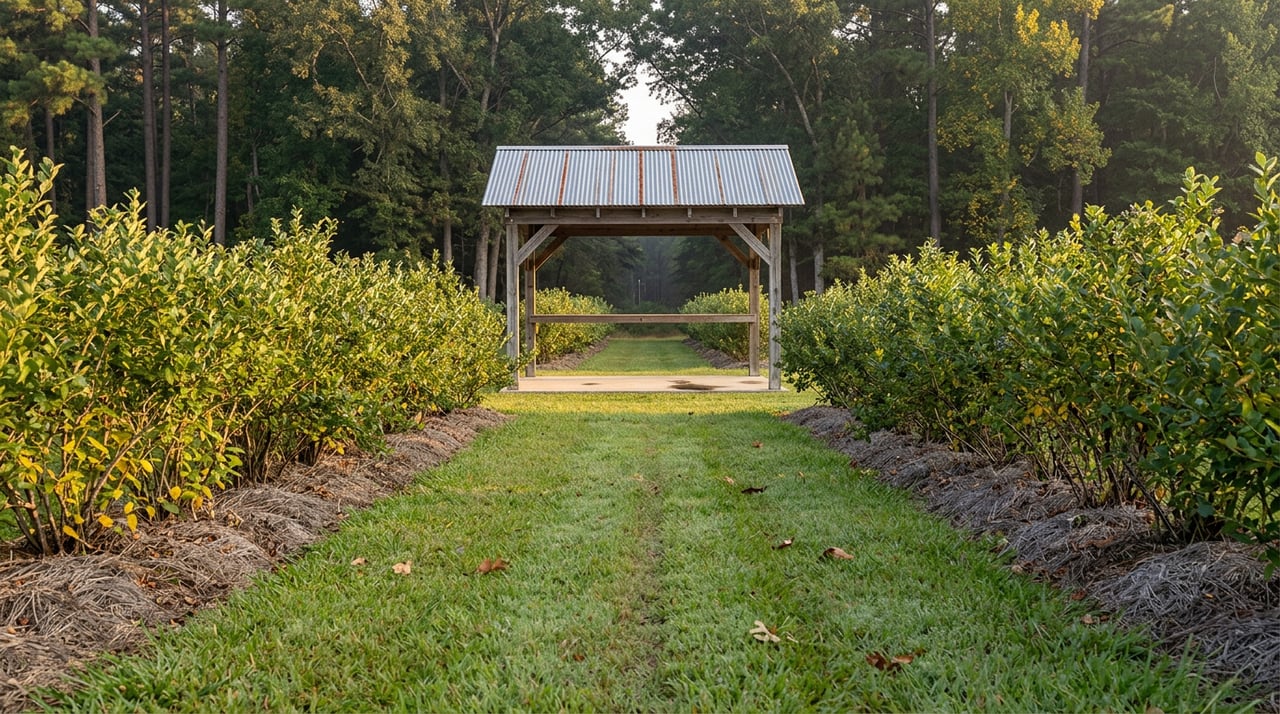
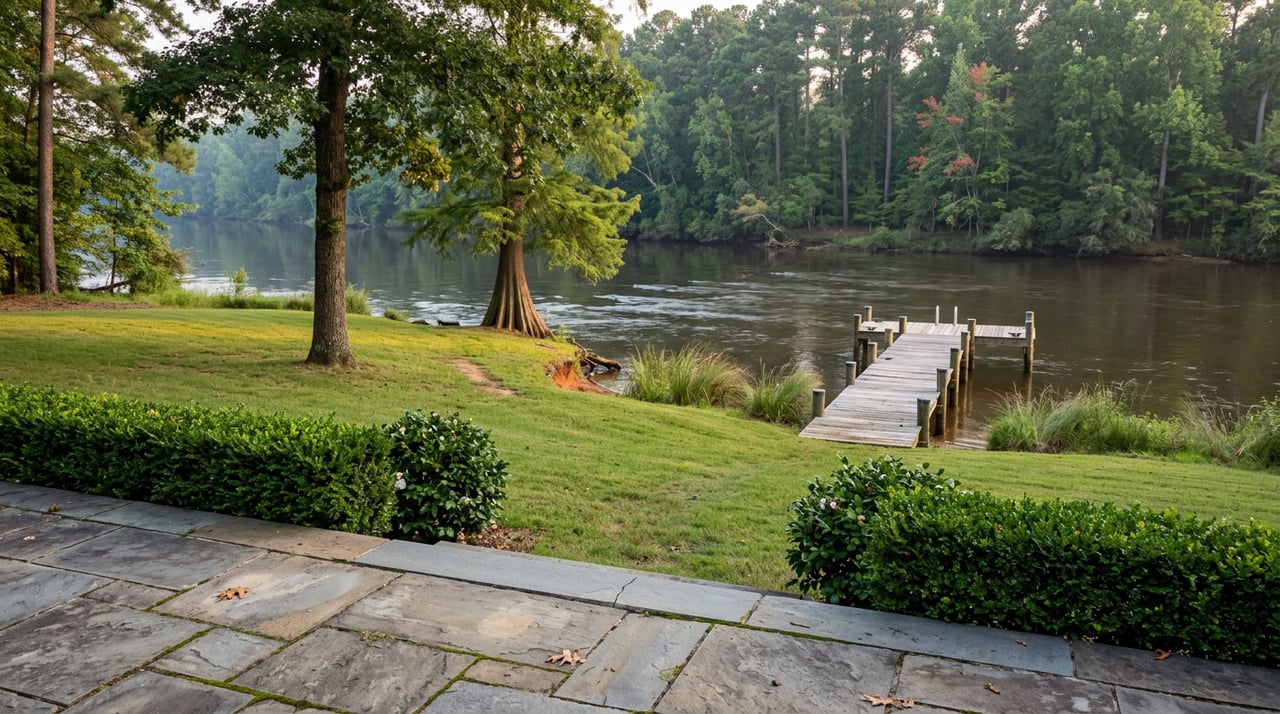
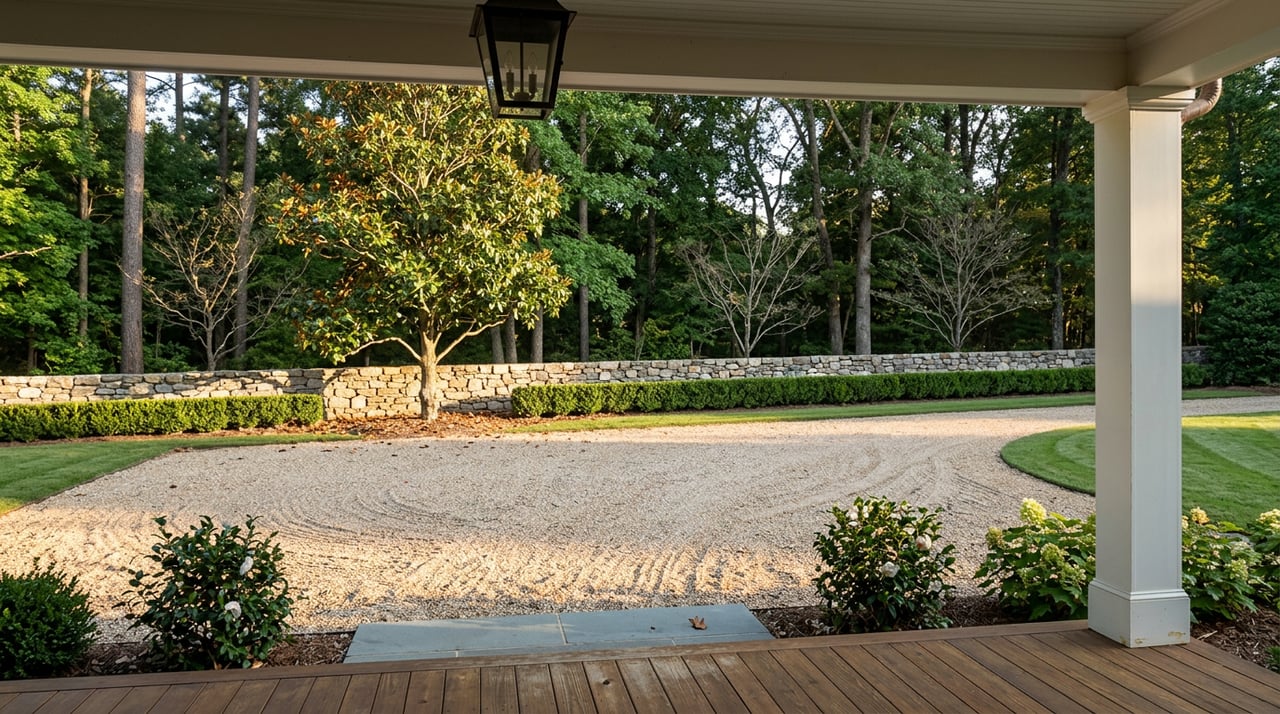
If you have a unique country home, hunting or fishing land, or other premier North Carolina property for sale, call Legacy Farms and Ranches today to learn how they can help you market your property to thousands of discerning viewers across the country.
Get In Touch With Our Team To Learn More About Our Services! Although the disclaimer is below, we will only put you on our Newsletter Mailing List!
Legacy Farms and Ranches of FM Realty
7980 Arco Corporate Dr Ste 105 Raleigh NC 27617