Exploring Farm And River Life In Orange County
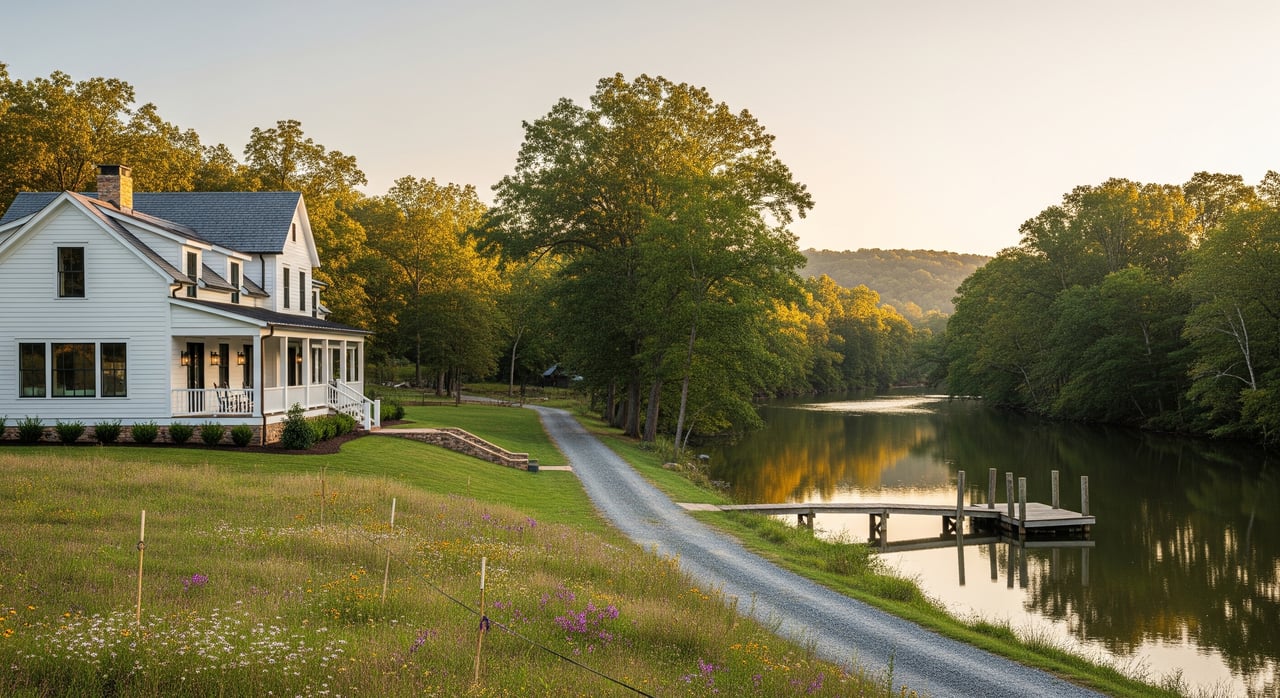
What if your morning commute started with fog lifting off a quiet river and ended on a ridge with pasture views? If you are weighing a move to the country around 27278, you are likely picturing gardens, horses, and weekend walks along the Eno. You also want a clear plan for wells, septic, zoning, and floodplains before you buy. In this guide, you will learn how farm and river life work in Orange County, what property types fit different goals, and the key due diligence steps that protect your purchase. Let’s dive in.
Orange County sits in the North Carolina Piedmont, where rolling hills, ridgelines, and dissected valleys create a patchwork of pastures, woodlots, and stream corridors. Around 27278 and Hillsborough, you will see mixed hardwood and pine forests alongside open fields. This terrain offers privacy and variety, with homesites on gentle uplands and broad, scenic vistas from ridge tops.
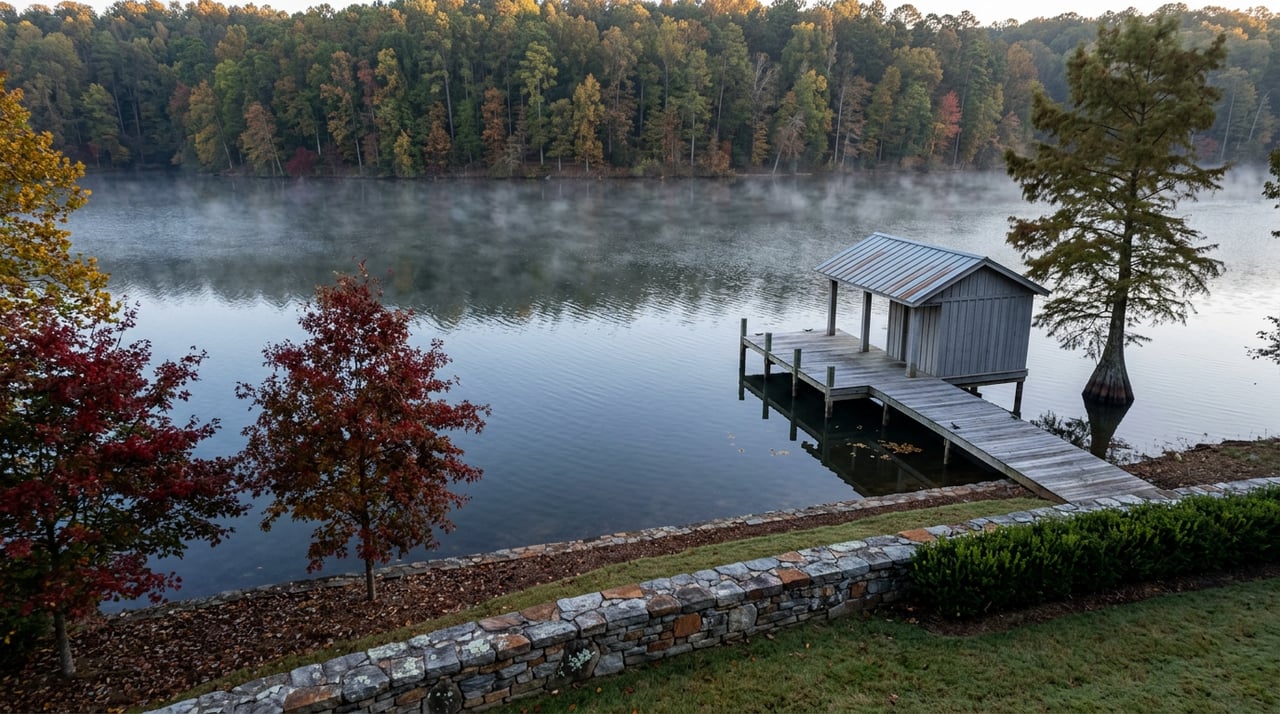
The Eno River is a signature feature in northern Orange County. Its protected stretches and nearby greenways support hiking, paddling, fishing, and wildlife viewing. River corridors also shape private land nearby by creating riparian buffers and fertile bottomlands that appeal to small farms and conservation-minded buyers.
Soils vary with elevation. Upland soils are often clayey to loamy with moderate fertility and variable drainage. Near rivers, deeper alluvial soils can be more productive for certain crops and pasture, but those bottomlands are often wetter and may sit within mapped floodplains. Steeper draws and hollows can limit buildable area or raise site prep costs, so site-specific evaluation matters.
If you want garden space and room for a few animals, a hobby farm is a practical starting point. Many buyers focus on several to a few dozen acres, with 1 to 25 acres common near towns. Typical uses range from seasonal vegetables and cut flowers to small livestock like poultry or goats, hay production, beekeeping, and small orchards.
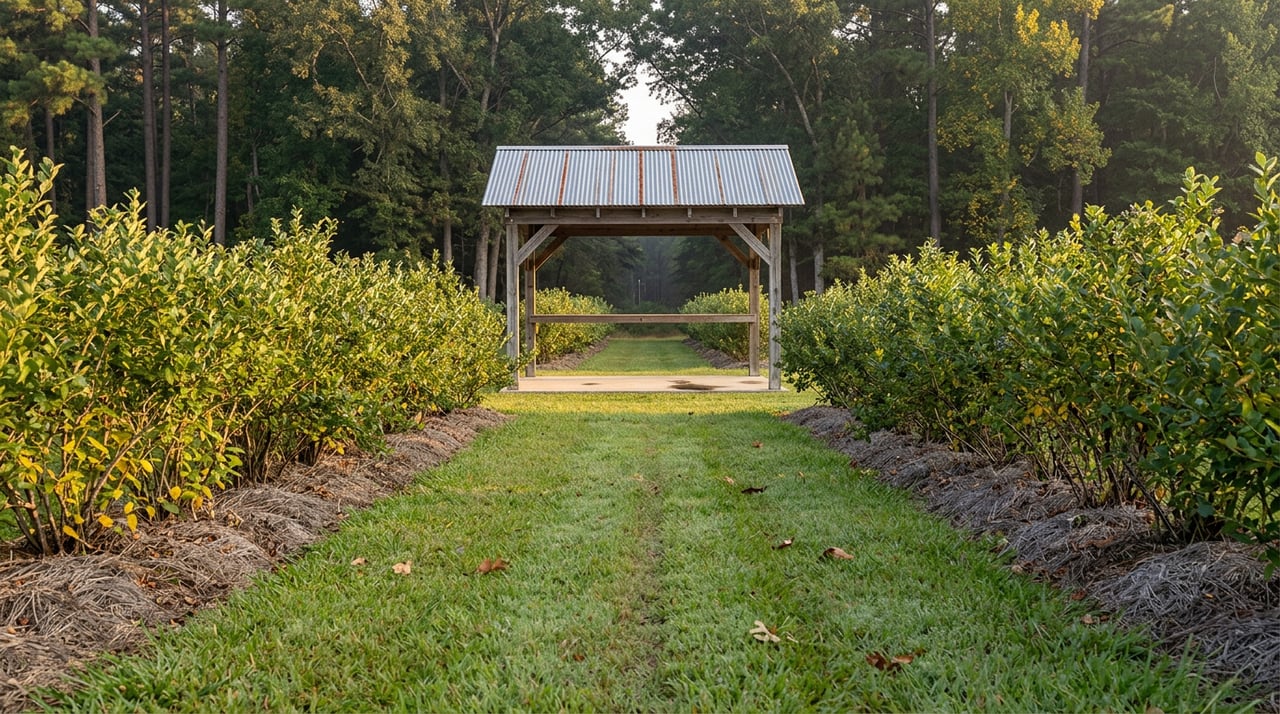
Common features include a modest barn or equipment shed, fenced garden areas, simple pasture, and access roads. Most rural homes rely on wells and septic rather than municipal utilities. A compact, well-laid-out farm can be more manageable than a larger spread.
For riders, small equestrian parcels in the 3 to 15 acre range are typical. Essential components include fenced pastures, run-in sheds or a small barn, paddocks, and possibly a riding ring. Good fencing and functional layout save time and reduce long-term costs.
Important considerations include pasture health, overgrazing risk, hay storage, water access, manure management, and the availability of nearby hay and farrier services. If you plan to board or ride regularly at home, acreage and grazing plans become even more important.
If self-reliance is a priority, homestead-style properties from a few acres up to 20 or more acres can fit the bill. You will often see vegetable gardens, hoop houses or greenhouses, chicken houses, and cold storage or root cellars. Some properties may include small-scale renewable systems or backup generation, along with wells and septic.
County permitting, soil productivity, and access to farm suppliers all shape what is feasible. Local guidance through Cooperative Extension and county departments can help you set realistic plans for food production and site improvements.
Larger contiguous tracts of 50 acres or more do exist, though they are less common close to town centers. These may support beef cattle, hay, cash crops, or timber management. Some parcels carry conservation easements that protect the land and guide future use. Title review is the right first step when you are considering a large or multi-use tract.
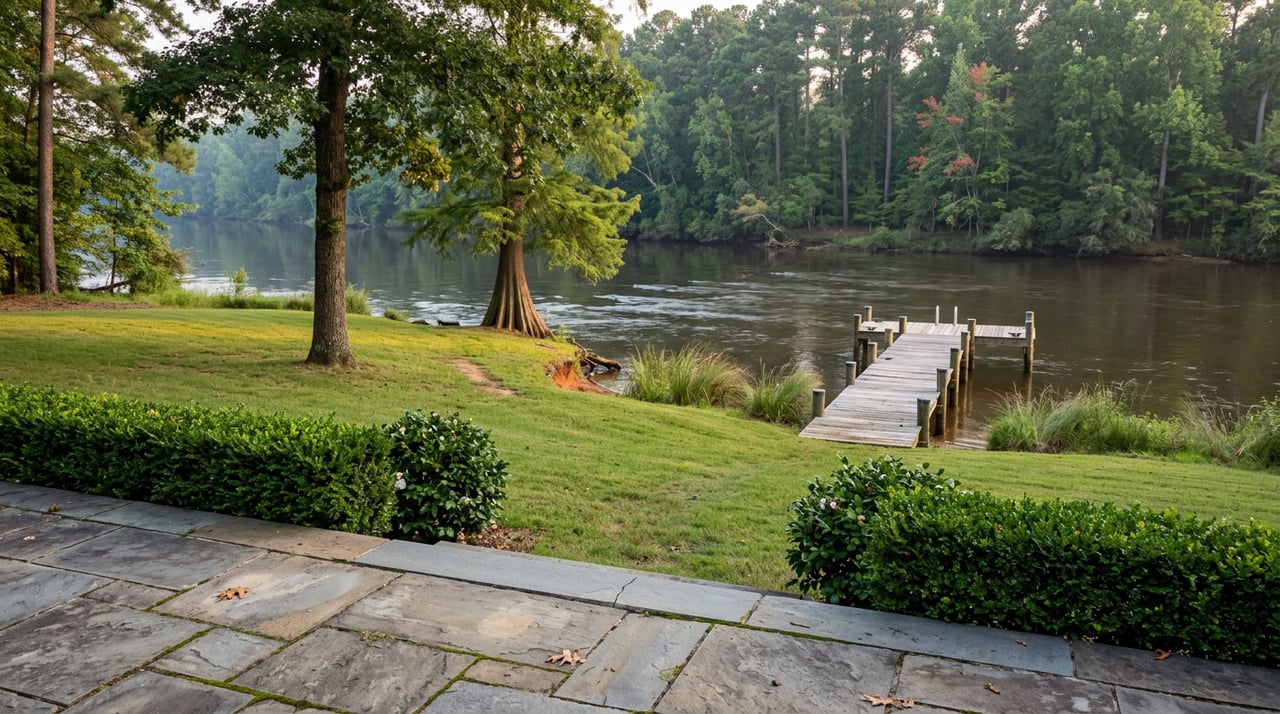
River-bottom parcels can be uniquely productive and beautiful. Deeper alluvial soils may support lush pasture or crops, and the setting often invites recreation and wildlife viewing. Living near the Eno and its tributaries also connects you with a strong conservation culture in the area.
There are trade-offs to weigh. Portions of these parcels may sit in FEMA-designated floodplains. That can affect where you build, your insurance requirements, and how you design access roads and outbuildings. Stream buffers and wetlands may also limit clearing and grading. A careful site plan helps you enjoy the river without putting key structures in harm’s way.
The lay of the land shapes your options. On uplands, dense clays and seasonal wetness can influence septic performance and driveway design. On river bottoms, rich soils may be ideal for pasture or crops, but high water tables, periodic flooding, and access constraints require attention.
A practical approach is to separate your living area from your working area. Consider placing your home, septic field, and main driveway on better-drained uplands, while using the bottomlands for pasture, hay, gardens, or recreation. A soil and site evaluation early in your process protects your timeline and budget.
Zoning determines permitted agricultural and equestrian uses, lot sizes, accessory structures, and setbacks. Orange County Planning and Zoning can confirm what is allowed on a specific parcel. If you plan to add barns, rings, or new housing, confirm requirements before you close.
Most rural properties use a private well and septic system. Test well yield and water quality, and review well records if available. For septic, request permit history from the county Health Department and, if needed, commission a soil evaluation for new installations or expansions.
Check FEMA Flood Insurance Rate Maps and consult county floodplain staff to understand mapped flood zones on or near the property. Stream buffers and state wetland rules may restrict clearing, grading, and building. Flood insurance may be required by your lender for structures in a Special Flood Hazard Area.
Some parcels are encumbered by conservation easements held by organizations such as Triangle Land Conservancy or other regional land trusts. Easements can guide activities like subdivision, building footprints, and certain agricultural practices. A title search and a conversation with the easement holder are essential before you finalize plans.
North Carolina’s Present-Use Value program can reduce property taxes for qualifying agricultural, horticultural, or forestry land. Eligibility depends on land use and minimum acreage. Confirm program rules and application steps with the Orange County Tax Office.
Expect private drives or narrower county roads in certain areas. Verify electric capacity for barns, pumps, or shop equipment. Internet and cellular service can vary widely in rural pockets, so check provider options early if you plan to work from home.
A small farm rewards consistent care. Expect ongoing tasks like fence repair, pasture rotation, hay purchase or storage, manure management, and equipment maintenance. Some owners handle these themselves while others coordinate with local contractors for seasonal projects.
Insurance needs can be different than a typical suburban home. You may need coverage for outbuildings, farm liability, or flood insurance if you are in a mapped flood zone. A conversation with your insurance advisor early on will help you right size coverage.
The region’s food culture supports small producers. Farmers’ markets in Hillsborough and Chapel Hill, along with the Carrboro Farmers’ Market, offer steady outlets and community connections. Many farms operate CSAs, on-farm stands, or seasonal events that welcome neighbors and build local networks.
For new owners, this means you have a path to share surplus produce, eggs, or flowers, or to meet experienced growers who can offer practical tips. Agritourism and farm-to-table partnerships in the Triangle create opportunities for small farms to showcase their work.
A simple starting point is to plan for 2 to 3 acres per horse for basic turnout. More acreage reduces overgrazing risk and hay purchases and gives you flexibility during wet seasons. Pasture quality and rotation practices matter as much as raw acreage, so ask Cooperative Extension for site-specific guidance.
Start with the map and the soil. Narrow your search to areas that fit your daily life, then confirm zoning, floodplain status, and access to utilities. Walk the land in wet and dry weather if possible. Line up your well, septic, and soil records. Speak with Cooperative Extension about pasture and garden plans.
If you are ready to explore properties, work with a land-focused team that understands wells, soils, floodplains, barns, and the realities of managing acreage. With Accredited Land Consultant leadership and decades of farm, timber, and equestrian ownership experience, our team can help you weigh uplands versus river bottoms, audit infrastructure, and plan improvements. We also offer concierge logistics that make transitions smoother, from staging and contractor coordination to moving horses and equipment.
Curious what is possible for your budget and timeline in 27278 and beyond? Reach out to Legacy Farms and Ranches to talk through your goals and get a clear, practical plan.
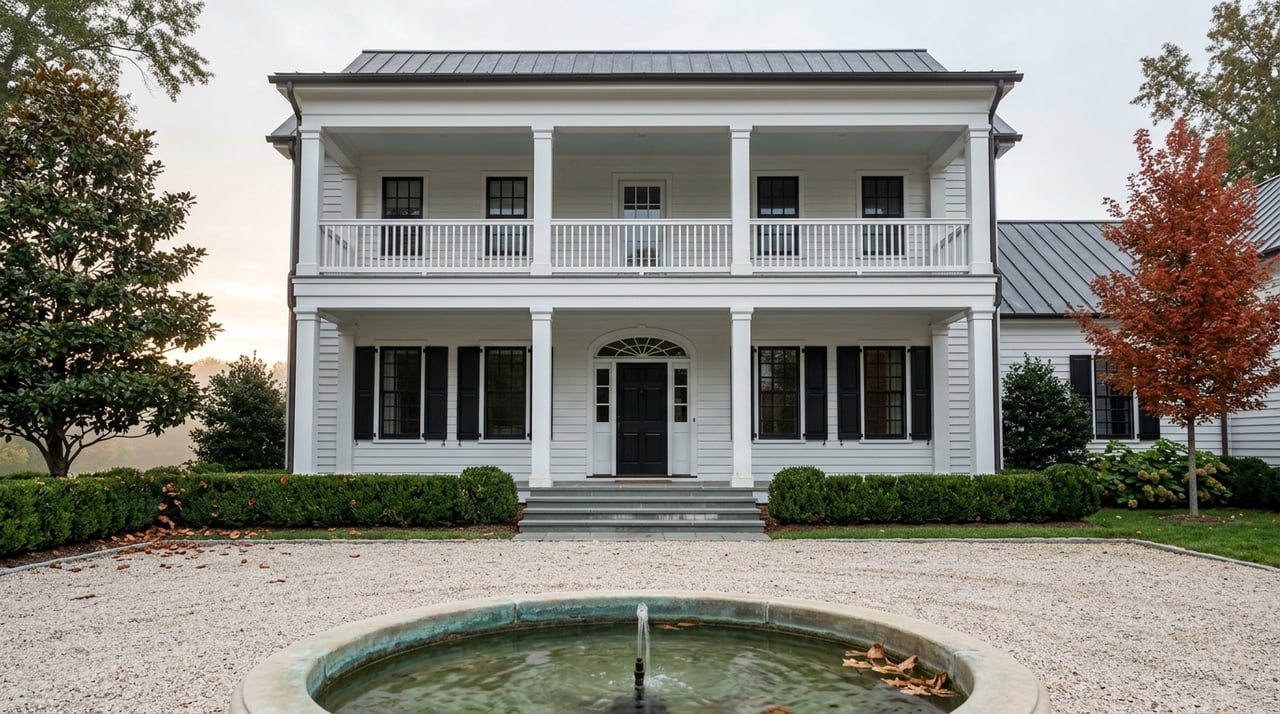
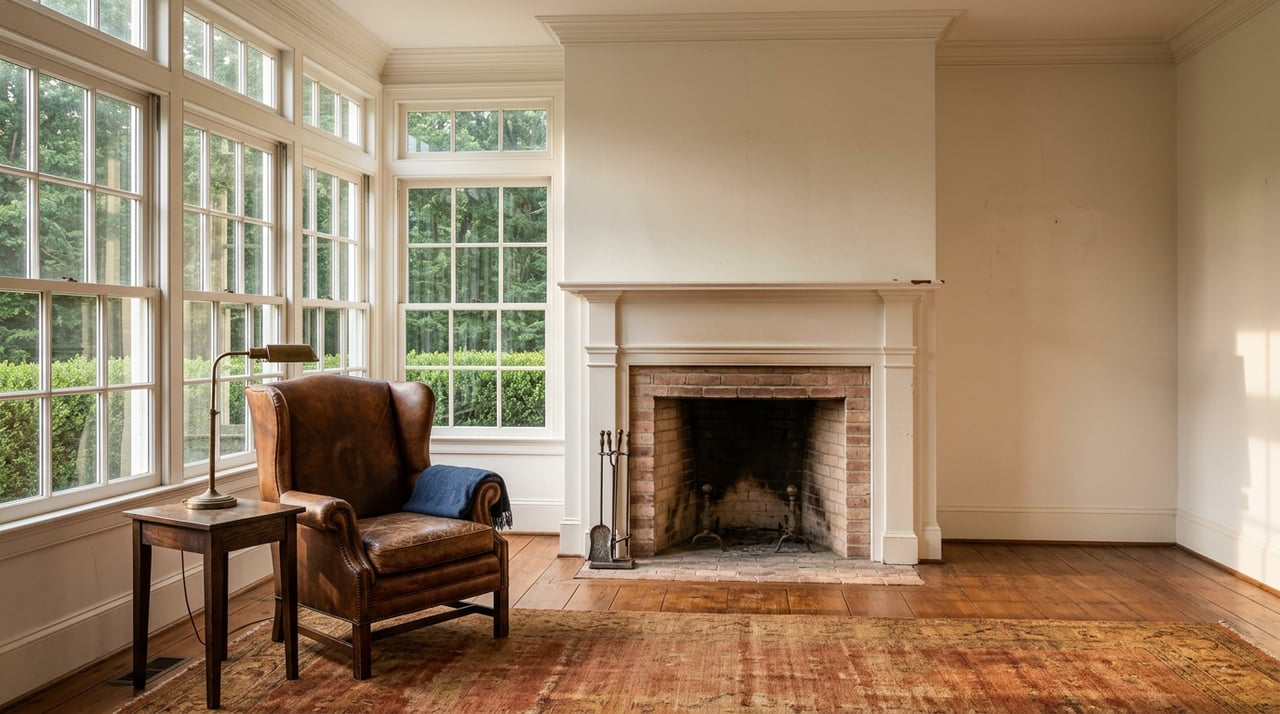
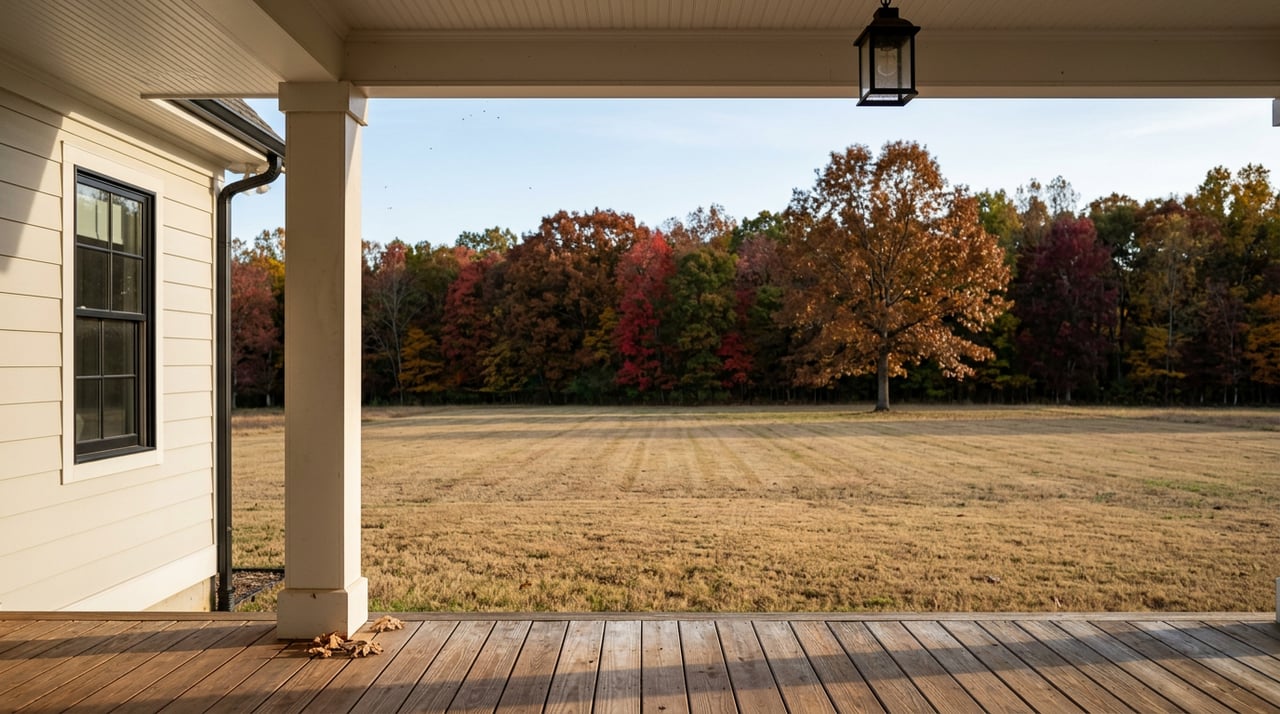
If you have a unique country home, hunting or fishing land, or other premier North Carolina property for sale, call Legacy Farms and Ranches today to learn how they can help you market your property to thousands of discerning viewers across the country.
Get In Touch With Our Team To Learn More About Our Services! Although the disclaimer is below, we will only put you on our Newsletter Mailing List!
Legacy Farms and Ranches of FM Realty
7980 Arco Corporate Dr Ste 105 Raleigh NC 27617