Leave a Message

By providing your contact information to Legacy Farms and Ranches, your personal information will be processed in accordance with Legacy Farms and Ranches's Privacy Policy. By checking the box(es) below, you consent to receive communications regarding your real estate inquiries and related marketing and promotional updates in the manner selected by you. For SMS text messages, message frequency varies. Message and data rates may apply. You may opt out of receiving further communications from Legacy Farms and Ranches at any time. To opt out of receiving SMS text messages, reply STOP to unsubscribe.

Thank you for your message. We will be in touch with you shortly.

Conservation Easements in Caswell County: Owner Basics
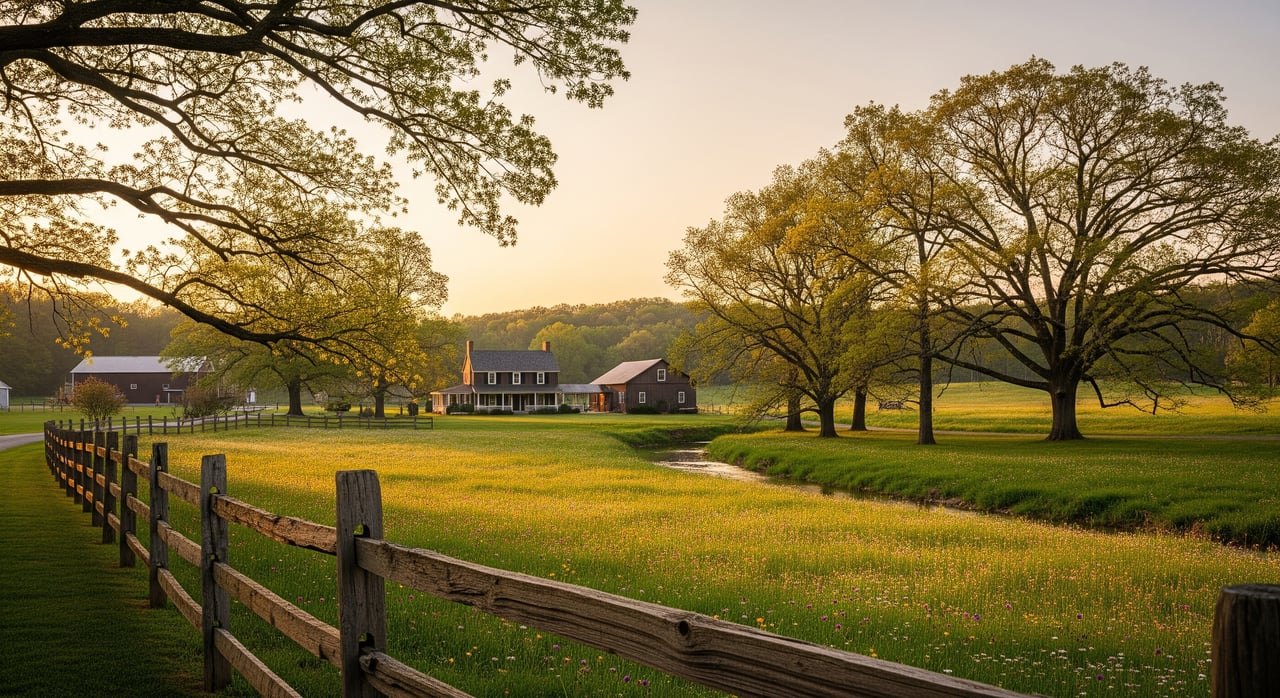
Conservation Easements in Caswell County: Owner Basics

Thinking about protecting your Caswell County land without giving up ownership? A conservation easement can help you preserve working farms, timber, wildlife habitat, or scenic character while keeping core rights you care about. If you are in 27212 or nearby, you likely want straight answers about what easements do, how they affect value and taxes, and what the process looks like locally. In this guide, you will learn the basics, the steps, and the local offices and programs to consider. Let’s dive in.

What a conservation easement does

Plain-English definition

A conservation easement is a voluntary, legally recorded agreement that limits certain uses of your land to protect defined conservation values. You still own the property and can keep rights not restricted in the easement. Most easements are intended to be permanent and “run with the land,” which means the terms bind future owners unless lawfully changed or terminated.

Who holds and enforces it

The holder is a qualified land trust or a government entity that agrees to monitor and enforce the easement. Their role is to visit the property periodically, document conditions, and ensure the terms are followed. You should confirm the holder’s long-term capacity and stability, since stewardship is a forever responsibility for most easements.

Common structures and terms

Easements are flexible. They can be permanent or set for a specific term. They can prohibit all development or only limit certain activities, like subdivision or clearing in sensitive areas. Public access is not automatic. It is included only if you expressly agree to it.

How an easement affects your land

Land use and development

The easement deed spells out what is allowed and what is not. Many owners keep agricultural, forestry, or habitat management uses and set building envelopes for homes or barns. The key is clarity. The more precise the language, the fewer surprises later.

Title, financing, and selling

Easements are recorded documents that show up in a title search. If you have a mortgage, your lender will typically need to consent. You can still sell your land after placing an easement. The buyer takes title subject to the easement terms, and those terms should be part of your marketing and disclosures.

Monitoring and stewardship

Holders monitor properties periodically to confirm compliance. Many require a one-time stewardship contribution at closing to help fund long-term monitoring and enforcement. Ask about expected visits and reporting so you know what to expect year to year.

Money matters in NC and Caswell County

Federal tax considerations

If you donate a qualifying conservation easement to a qualified holder, it may be treated as a charitable contribution for federal income tax purposes. To qualify, you must meet specific federal requirements and provide a qualified appraisal and required documentation. The rules are technical and change over time, so involve a tax advisor and a qualified appraiser early.

Grants and cost-share programs

Federal programs, including those administered by NRCS such as the Agricultural Conservation Easement Program, sometimes help purchase easements or fund conservation practices. State and local programs may also support land protection, often focusing on agricultural soils, water quality, or habitat priorities. Availability and timing vary by year and region.

Property tax and present-use valuation

A conservation easement can reduce assessed value because it limits development potential, but local rules determine the actual tax impact. North Carolina allows present-use valuation classifications for qualifying agricultural, horticultural, and forest lands. If your property is in or near 27212, contact the Caswell County Tax Assessor to discuss eligibility and how an easement could interact with any current classification.

State law in North Carolina

North Carolina law recognizes conservation easements and the responsibilities of holders. Enforcement and remedies depend on the easement deed and state law. Because terms and case law evolve, it is wise to verify current requirements with a conservation attorney before you finalize documents.

Local steps for 27212 owners

Who to contact in Caswell County

  • Caswell County Register of Deeds. Record the easement and review title history.
  • Caswell County Tax Assessor. Discuss present-use valuation and property tax implications.
  • Planning and Zoning or County Manager. Confirm any local land-use rules and whether municipal boundaries affect your property.
  • Caswell County Cooperative Extension and the Soil and Water Conservation District. Get agricultural and conservation practice advice and connections to programs.
  • Local NRCS field office. Ask about federal easement funding and technical assistance.

A simple step-by-step process

  1. Clarify goals. Define what you want to protect, the uses you want to retain, and whether you want public access.
  2. Identify potential holders. Talk with land trusts or public agencies about their priorities, capacity, and costs.
  3. Review title and mortgages. Order title work and secure lender consent if you have a mortgage or liens.
  4. Document baseline conditions. Work with the holder to create a baseline report of current ecological and physical conditions.
  5. Complete survey and mapping. Establish legal descriptions, building envelopes, and any restricted zones.
  6. Obtain an appraisal if donating. If you seek a charitable deduction or a bargain sale, a qualified appraisal is usually required.
  7. Draft and negotiate the deed. Work with your attorney and the holder to define permitted and prohibited uses, amendment standards, and enforcement.
  8. Arrange stewardship funding. Budget for stewardship endowments or monitoring fees required by the holder.
  9. Close and record. Execute documents and record the easement with the Register of Deeds.
  10. Monitor and comply. Expect periodic site visits and keep records of permitted activities.

Typical costs to plan for

  • Legal counsel fees
  • Appraisal fees
  • Survey and mapping costs
  • Baseline documentation costs
  • Stewardship or endowment contributions
  • Title clearance and lien subordination fees

Smart questions to ask before you commit

Goals and flexibility

  • What values are you protecting and which activities must remain permitted for your use or future buyers?
  • Does the draft allow routine farm, forestry, or habitat management without repeated approvals?

Holder capacity and fit

  • Does the holder have a strong track record and adequate stewardship funding?
  • How often will they monitor and how do they handle minor versus major violations?

Family and estate planning

  • How will permanent restrictions affect heirs or future plans to sell part of the property?
  • Does your estate plan reflect the easement’s impact on property value and liquidity?

Financing and timing

  • Will your lender consent on your timeline and terms?
  • If you plan to seek tax benefits, are you prepared for appraisal, documentation, and filing deadlines?

Selling or buying land with an easement in Caswell County

If you are selling, make the easement a central part of your property story. Provide the deed, baseline report, maps, and monitoring history to buyers. Be clear about what is allowed. Many buyers value protected open space, working farm character, and certainty about future development.

If you are buying, read the easement carefully and walk the property with the deed, maps, and the holder’s staff. Confirm building envelopes, farm use rights, timber management practices, and any approval processes for new structures or roads. If the property relies on present-use valuation for taxes, review the requirements to maintain that status after closing.

Risks and cautions for owners

  • Permanence. Most easements are intended to be permanent, which affects future uses and estate planning.
  • Holder capacity. Choose a stable partner that can monitor and enforce for the long term.
  • Drafting precision. Ambiguity can trigger disputes. Clear language reduces risk.
  • Financial tradeoffs. Do not assume a particular tax or value outcome without professional advice.
  • Lender issues. Get mortgage consents lined up before you finalize documents.

Ready to explore an easement?

A conservation easement can be a powerful way to protect what you love about your land while keeping it productive. The decisions are detailed and the terms are lasting, so take your time, involve the right professionals, and run the numbers. If you are weighing conservation alongside a sale or future family transfer, our land-specialist team can help you evaluate scenarios and position your property for the best outcome.

Reach out to the team at Legacy Farms and Ranches to discuss your goals, get connected to local resources, and map the next steps with confidence.
FAQs

Can I sell my Caswell County land after placing an easement?

  • Yes. You can sell the property, and the buyer takes title subject to the easement terms recorded with the deed.

Will an easement let me build a new home or barn later?

  • Only if the easement deed expressly permits it. Many easements define building envelopes, cap the number of structures, or restrict subdivision.

Does a conservation easement require public access in 27212?

  • No. Public access occurs only if you and the holder agree to include it in the easement.

Will my property taxes automatically go down in Caswell County?

  • Not automatically. Easements can reduce assessed value, but tax effects depend on local policies and any present-use valuation status. Speak with the Tax Assessor.

Can a permanent easement ever be changed or terminated in North Carolina?

  • Amendments or termination are rare and subject to strict standards. They often require court approval and replacement of conservation value.

Are easements compatible with working farms and timber in the Piedmont?

  • Yes. Many easements are designed to protect ongoing agricultural and forestry uses while limiting non-farm development.

Do I need lender consent before recording an easement?

  • If there is a mortgage or lien, lender consent is typically required. Address this early to avoid delays at closing.

Work With Us

If you have a unique country home, hunting or fishing land, or other premier North Carolina property for sale, call Legacy Farms and Ranches today to learn how they can help you market your property to thousands of discerning viewers across the country.