Choosing A Land-Savvy Agent In Lee County
Looking at land in Lee County is different from shopping for a typical house lot. A great photo set can help, but acreage decisions often come down to zoning, access, soils, floodplain layers, tax programs, and recorded plats. If you want to buy or sell with fewer surprises, choosing an agent who understands how land works on the ground can make a real difference. Let’s dive in.
Land deals usually involve more moving parts than a standard residential sale. In Lee County, tract-level records matter because buyers and sellers can review parcel data, zoning, floodplain, soils, wetlands, topography, and tax details through county tools and records. That means your agent should be comfortable looking beyond a listing sheet and into the details that shape value and use.
Lee County itself has a distinct land context. The county covers 255 square miles, sits between the Piedmont and Coastal Plains, and includes two municipalities, with Sanford as the county seat, according to Lee County financial information. In practical terms, that mix of geography and jurisdiction means one property can raise very different questions than the next.
A land-savvy agent is not just someone who has sold a home on a large lot. You want someone who can connect the survey, GIS mapping, tax record, and recorded plat, then help you spot potential issues early. In Lee County, that includes understanding how local planning materials, parcel records, and land-use layers fit together.
The county’s systems make that especially important. Planning packets and county tax tools can reveal legal descriptions, parcel history, sketches, and other property details, while county GIS layers can show floodplain, wetlands, soils, and topography. A strong agent knows how to use those records to ask better questions before you get deep into a contract.
One of the biggest signs of a capable land agent is whether they understand which office matters for your property. In Lee County, the county, Sanford, and Broadway each maintain separate planning boards under a shared UDO. That means the approval path can depend on where the property is located and what you hope to do with it.
According to Lee County planning board materials, the county planning board is advisory only and reviews items such as UDO text amendments, Official Zoning Map changes, and preliminary subdivision plats. Those details matter because an agent should be able to explain the process clearly, not guess at it.
If you are looking at farms, rural homesites, or acreage tracts, zoning is a basic part of due diligence. For example, Lee County’s Residential Agricultural district is intended for low-density single-family uses along with low-intensity agricultural operations, agri-business, and certain supportive commercial or industrial uses tied to agriculture. The district is also intended to help protect rural areas and pasture land.
That does not mean every tract fits every plan. It means your agent should know how to start the zoning conversation, identify when a rezoning or special-use standard may matter, and point you toward the right county or municipal office for clarification.
When you interview an agent, ask how they review the property record. In Lee County, a good land-focused professional should be ready to compare the survey, plat, GIS map, and tax record rather than relying on one source alone. That cross-check can uncover details that affect value, financing, access, or future use.
According to Lee County planning agenda materials, acreage cases are often tied to recorded surveys and plats in the Register of Deeds. That is why access, easements, right-of-way questions, encroachments, and boundary conflicts should come up early in the process, not after you are emotionally committed.
A property can look perfect online and still have practical issues. If legal access is unclear, or if utility easements and boundary lines are not well understood, the deal can become more complicated than expected. Your agent should be able to read a survey well enough to explain what appears straightforward and what needs expert review.
That does not mean the agent replaces an attorney, surveyor, or engineer. It means they know how to flag concerns early and bring in the right professionals before small problems become expensive ones.
Not every acre functions the same way. Soil types, drainage patterns, wetlands, topography, and floodplain conditions can all affect how land is used, improved, or maintained. In Lee County, these issues are easier to study because county GIS includes several of these layers.
The USDA NRCS Web Soil Survey is the official source for current soil survey information and can generate custom reports for a county or specific property. NRCS also offers free technical assistance for resource assessment, practice design, and monitoring. A land-savvy agent knows when these resources may help and when to suggest a surveyor, engineer, or conservation professional.
Local review is only part of the picture. Lee County planning notes state that Lee County, Sanford, and Broadway do not have a local grading permit or stormwater ordinance, and instead rely on NCDEQ for land-disturbing activity oversight, according to county planning board information. If you are buying with future improvements in mind, your agent should know enough to point you toward the proper next step.
For many landowners, taxes and long-term stewardship are a big part of the decision. Lee County’s Present Use Value program can appraise qualifying agricultural, horticultural, or forestry land based on its working use rather than highest-and-best-use value. According to N.C. Cooperative Extension in Lee County, eligible owners may see up to 90% tax savings.
That can be important whether you are buying productive land or selling a tract that has been in long-term use. It is also worth understanding local preservation tools. The same county extension source notes support for VAD and EVAD districts, and it reports that the farmland preservation ordinance was revised on March 3, 2025, with a conservation easement policy adopted in March 2025.
These programs can shape expectations. A seller may want to preserve the land’s productive character, while a buyer may want to understand any long-term restrictions, neighboring farm realities, or tax implications before closing. A good agent should not improvise here. They should know where to direct you for reliable answers and how these topics affect marketing and due diligence.
The best interview questions test land fluency, not just sales experience. If an agent gives vague answers, that is useful information. You want someone who can explain their process in a clear, practical way.
Here are smart questions to ask:
According to Lee County planning context in the planning board materials, the best fit is often an advisor who works comfortably with specialists rather than trying to act as the sole expert.
If you are selling land, technical knowledge is only half the equation. You also need an agent who can present the property clearly to the right audience. Specialty land often needs stronger storytelling than a standard listing because buyers may be evaluating access, terrain, improvements, production potential, or recreational use from a distance.
Ask whether the agent can build marketing around parcel maps, aerial views, topographic references, soil context, and clear property-feature sheets. For some properties, broad exposure matters too. NC FarmLink is one example of a resource that connects farmers, landowners, and service providers and maintains databases for available farmland and farmers seeking land.
A small hobby farm, a timber tract, and an equestrian property should not all be marketed the same way. The strongest land agents tailor the presentation to the asset and the likely buyer. That is especially important when you want to reach both local buyers and remote purchasers who may rely heavily on maps, media, and upfront documentation.
In Lee County, no single person handles every land question. That is normal. The key is choosing an agent who knows how to coordinate the process, identify the right issues early, and keep communication clear from contract to closing.
That is where a specialist approach can help. With rural property, practical experience, careful review of public records, and strong collaboration with outside professionals often create a smoother experience than broad but shallow general knowledge.
When you are ready to buy or sell acreage, farm ground, timberland, or a specialty rural property, working with a team that understands stewardship, due diligence, and tailored marketing can help you move forward with confidence. To start the conversation, connect with Legacy Farms and Ranches.
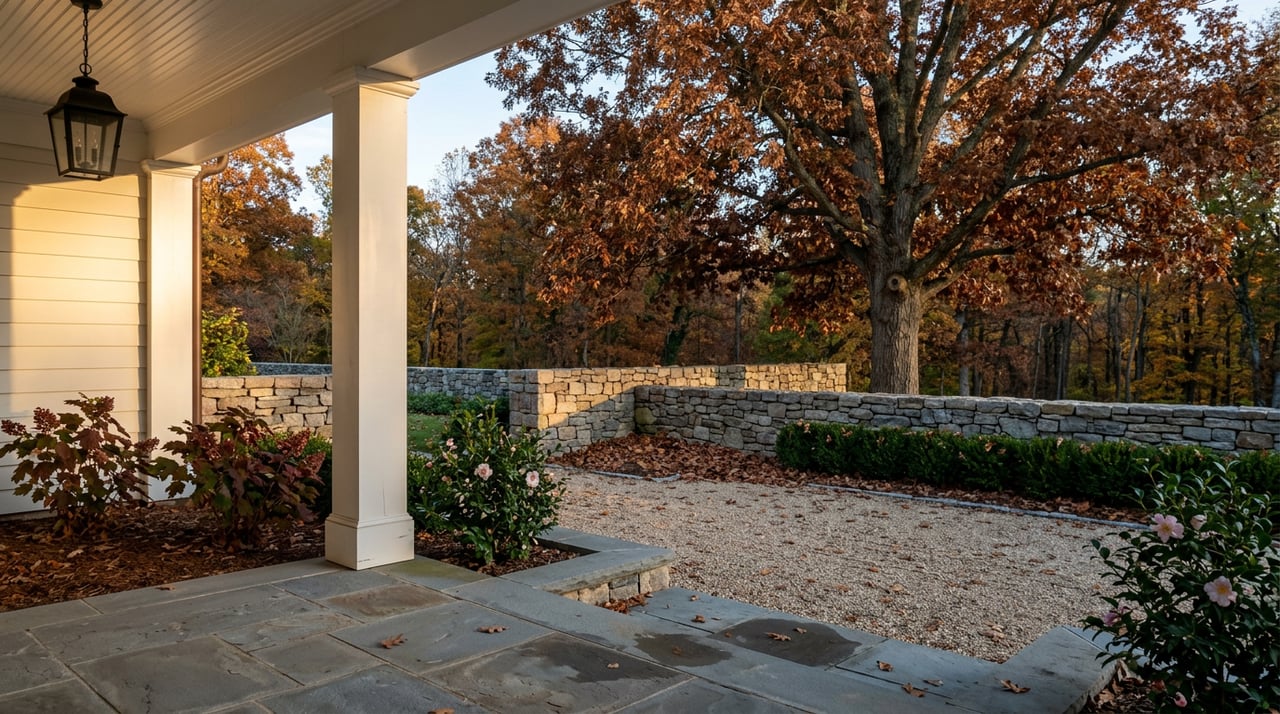
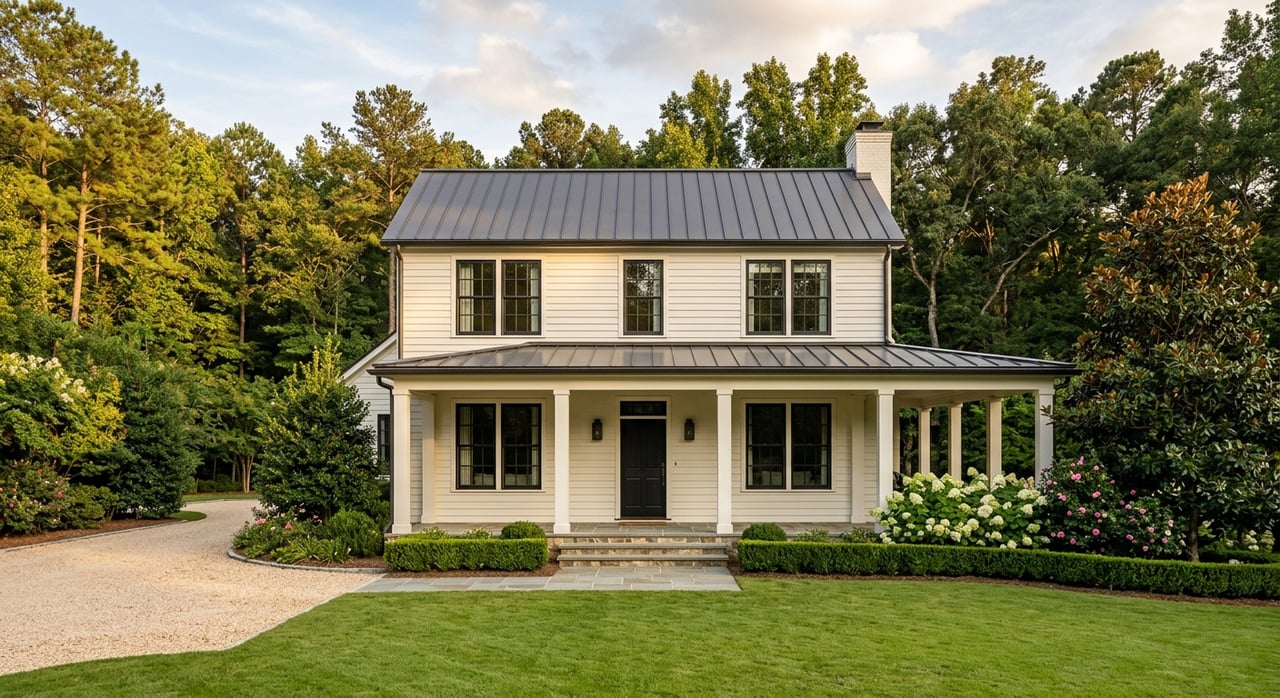
If you have a unique country home, hunting or fishing land, or other premier North Carolina property for sale, call Legacy Farms and Ranches today to learn how they can help you market your property to thousands of discerning viewers across the country.
Get In Touch With Our Team To Learn More About Our Services! Although the disclaimer is below, we will only put you on our Newsletter Mailing List!
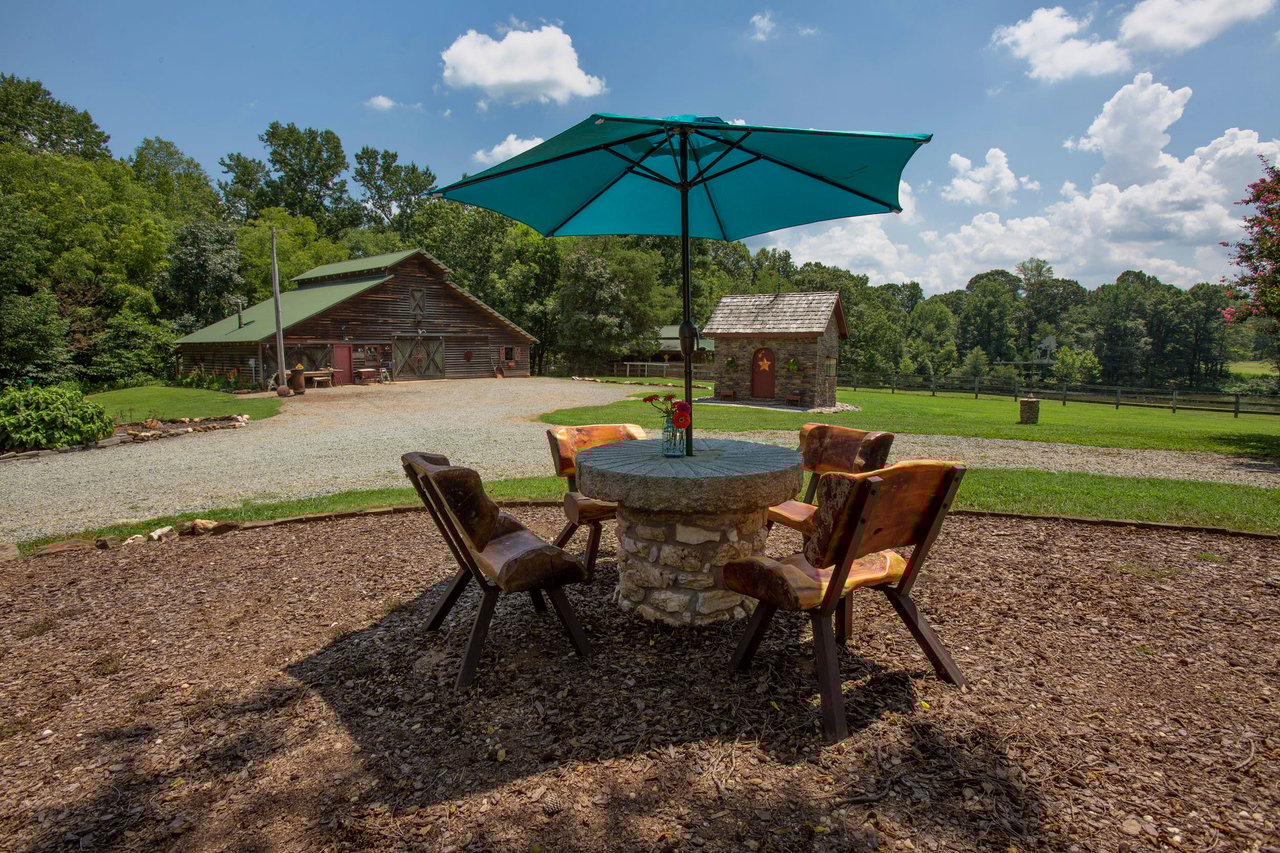
Legacy Farms and Ranches of FM Realty
7980 Arco Corporate Dr Ste 105 Raleigh NC 27617