Is Lee County The Right Fit For Your First Land Buy?
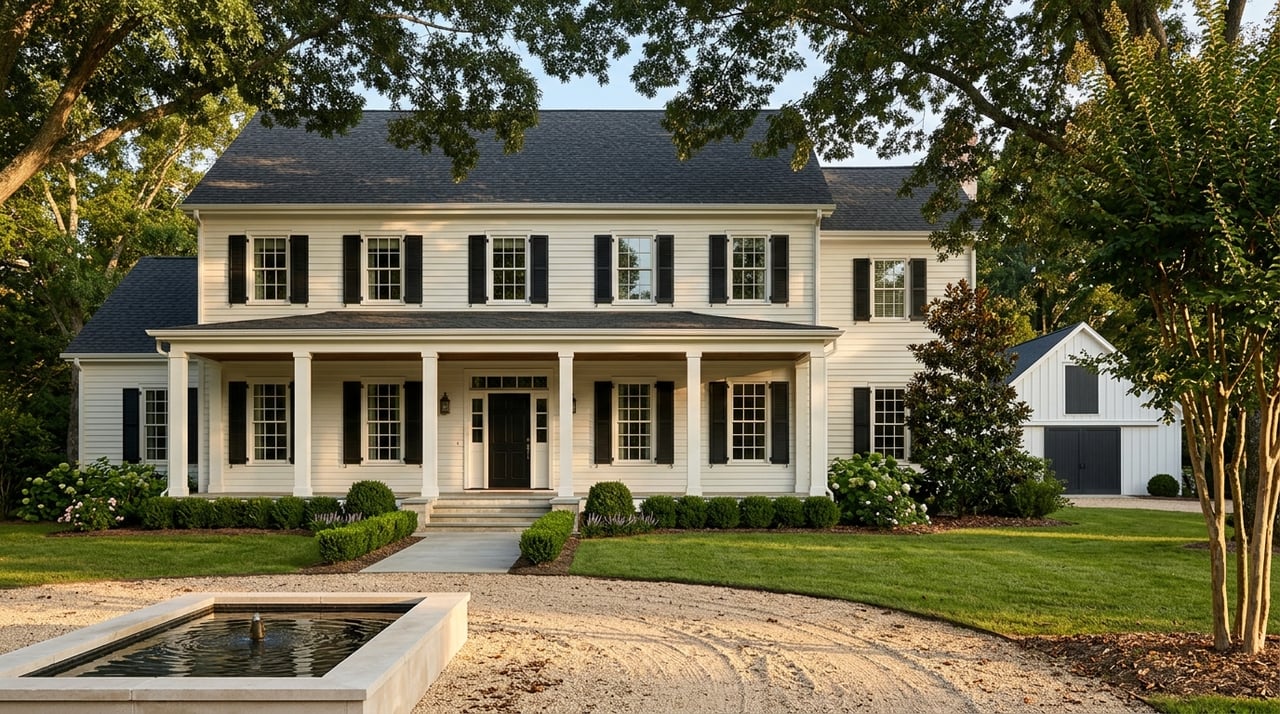
Wondering if Lee County is the kind of place where a first land purchase can actually make sense? If you want room to spread out without moving too far from major job centers, this part of central North Carolina deserves a close look. Below, you’ll see where Lee County stands on price, parcel size, zoning, and day-to-day practicality so you can decide whether it fits your goals. Let’s dive in.
Lee County offers a middle ground that many first-time land buyers want but struggle to find. It is rural enough to support acreage living, yet the county’s strategic plan places it within about an hour of the Raleigh-Durham metro area, Fort Bragg, Southern Pines-Pinehurst, and Greensboro-Winston-Salem.
That regional access matters if you want land without feeling cut off. Census QuickFacts also show a 2025 population estimate of 70,258, an 11% increase from the 2020 census base, a mean travel time to work of 25.8 minutes, median household income of $65,387, and median owner-occupied home value of $240,200. In simple terms, Lee County looks connected to broader economic activity while still offering a more rural land-buying experience.
If you are buying land for the first time, asking-price snapshots can help you understand the market’s shape. Current Land.com data for Lee County shows 263 properties totaling 1,435 acres for sale, with a median lot size of 17.6 acres, a median list price of $589,900, a median price of $24,000 per acre, and a median days on market of 123.
When filtered to undeveloped land, the picture shifts a bit. The county shows 122 properties, a median lot size of 19.5 acres, a median list price of $450,000, and a median price of $19,030 per acre. These are asking prices, not closed-sale averages, but they help you see what sellers are currently bringing to market.
For many buyers, the real question is not just “Can I buy land here?” but “How does it compare?” Based on current Land.com snapshots, Lee County appears materially less expensive per acre than Wake County and generally below Chatham and Moore, while tracking closer to Harnett.
| County | Median Price Per Acre | Median Lot Size |
|---|---|---|
| Lee | $24,000 | 17.6 acres |
| Wake | $77,107 | 14 acres |
| Chatham | $31,914 | 23 acres |
| Harnett | $26,496 | 17.1 acres |
| Moore | $35,036 | 16 acres |
That does not make Lee County “cheap” in every case. It does suggest that if your budget feels stretched in Wake or Moore, Lee County may offer a more reachable entry point for a first acreage purchase.
One of the biggest mistakes first-time buyers make is assuming land value rises in a straight line with size. In Lee County, current listings range from sub-acre parcels around $54,900 to 15-acre tracts around $274,900 and 44.6-acre tracts around $710,490.
That spread tells you something important. Access, improvements, frontage, location, and use potential can affect value just as much as raw acreage. A smaller parcel with better road access or easier build potential may be more practical than a larger tract with major limitations.
Lee County tends to fit buyers who want breathing room, practical land use, and access to central North Carolina. If you are looking for a 10- to 20-acre tract, or even a somewhat larger rural parcel, the county’s current market patterns line up well with that kind of search.
It may be especially appealing if you are comfortable with a more rural setup. In many cases, that means living with well water, on-site wastewater systems, and fewer suburban-style utility options.
Lee County’s agricultural profile supports more than one kind of land use. The USDA 2022 Census of Agriculture shows 264 farms and 31,204 acres in farms, with an average farm size of 118 acres.
The size mix is especially useful for first-time buyers. About 40% of farms were 10 to 49 acres, 37% were 50 to 179 acres, and 12% were 1 to 9 acres. That points to a county where modest rural holdings are already part of the landscape.
Land use also helps tell the story. County farm acreage includes 14,187 cropland acres, 3,780 pasture acres, and 9,229 woodland acres, with farm sales weighted 73% to livestock and poultry and 27% to crops. If you are thinking about a hobby farm, pasture-based use, poultry setup, timber, or recreational land with practical upside, those patterns matter.
You do not need to become a zoning expert, but you do need to understand the broad framework. Lee County’s RA district is designed for low-density single-family uses, low-intensity agricultural operations, agri-business, and supportive commercial uses.
County planning materials also list uses such as single-family detached homes, modular homes, duplexes, crop and animal production and support, and forestry and logging support uses. That setup generally supports a rural character while allowing a useful mix of residential and agricultural activity.
A recent county planning-board staff report lists a minimum lot size of 40,000 square feet, or about 0.92 acre, plus a minimum lot width of 100 feet and minimum depth of 125 feet. That does not replace parcel-specific review, but it helps explain why many parts of Lee County continue to feel open and rural rather than densely built.
Plan SanLee describes the county’s Countryside place type as agricultural and undeveloped lands outside urban service areas. The plan emphasizes preservation of agricultural heritage, conservation of rural lifestyles, and limited residential density.
For you as a buyer, that means expectations matter. If you want public utilities, dense neighborhood patterns, and a more urbanized setting, Lee County may not be your strongest fit. If you want space, lower density, and land suited to rural use, the county may align much better with your goals.
A first land purchase can go sideways when buyers focus on scenery and skip the basics. In Lee County, early due diligence should center on zoning, parcel records, floodplain status, utilities, and site feasibility.
Start with the county GIS and tax-access tools. Lee County’s GIS services include floodplain and infrastructure layers, and the tax system publishes parcel and land records. Before you fall in love with a tract, confirm boundaries, zoning, and whether the parcel sits near water, sewer, rail, or utility corridors.
This is one of the most important early steps for rural land. NCDHHS notes that roughly half of North Carolina homes use septic systems and advises buyers to ask the local health department for the septic permit and system layout.
Lee County health department materials identify on-site wastewater, well, and related environmental health permits and inspections as part of local services. If your intended homesite depends on septic and well, verify feasibility before you spend heavily on planning.
A beautiful tract can still have a difficult build envelope. County planning-board materials state that Sanford, Lee County, and Broadway do not have a local grading permit or stormwater ordinance and instead rely on NCDEQ for land-disturbing activities.
That means you should pay close attention to floodplain and drainage conditions before planning a driveway, homesite, or major clearing. What looks straightforward on a tour may involve more constraints once maps and site conditions are reviewed.
If you plan to keep land in agriculture or forestry, ask whether Present-Use Value could apply. North Carolina’s Department of Revenue explains that qualifying agricultural, horticultural, and forest land can be taxed at present-use value rather than market value.
That can be meaningful for long-term ownership costs, but there is a catch. If the land is later disqualified, deferred taxes may be triggered for the current year plus the prior three years, with interest. For first-time buyers, this is worth understanding before you count on future tax savings.
Lee County could be a smart first land market for you if several of these points sound familiar:
In that scenario, Lee County offers a practical blend of access, rural character, and land-use flexibility.
Not every buyer wants the same kind of land experience. Lee County may be a weaker fit if you need immediate public sewer, dense subdivision patterns, or a highly urbanized environment.
It may also feel less ideal if you want a fully turnkey homesite with minimal site investigation. Rural land often rewards patience, but it also asks more from you up front.
For many first-time buyers, Lee County looks like a strong middle-ground option in central North Carolina. The county offers regional access, a market that appears more approachable than some nearby counties on a per-acre basis, and a rural framework that supports small farms, residential acreage, pasture, woodland, and other low-intensity land uses.
The key is to shop with clear priorities. If you value room to grow and you are ready to verify zoning, utilities, septic, access, and tax implications before closing, Lee County may be the right fit for your first land buy. If you want help sorting through tract quality, use potential, and the details that do not show up in listing photos, Legacy Farms and Ranches can help you evaluate the options with a land-focused eye.
If you have a unique country home, hunting or fishing land, or other premier North Carolina property for sale, call Legacy Farms and Ranches today to learn how they can help you market your property to thousands of discerning viewers across the country.
Get In Touch With Our Team To Learn More About Our Services! Although the disclaimer is below, we will only put you on our Newsletter Mailing List!
Legacy Farms and Ranches of FM Realty
7980 Arco Corporate Dr Ste 105 Raleigh NC 27617