Marketing Luxury Rural Estates In Wake County
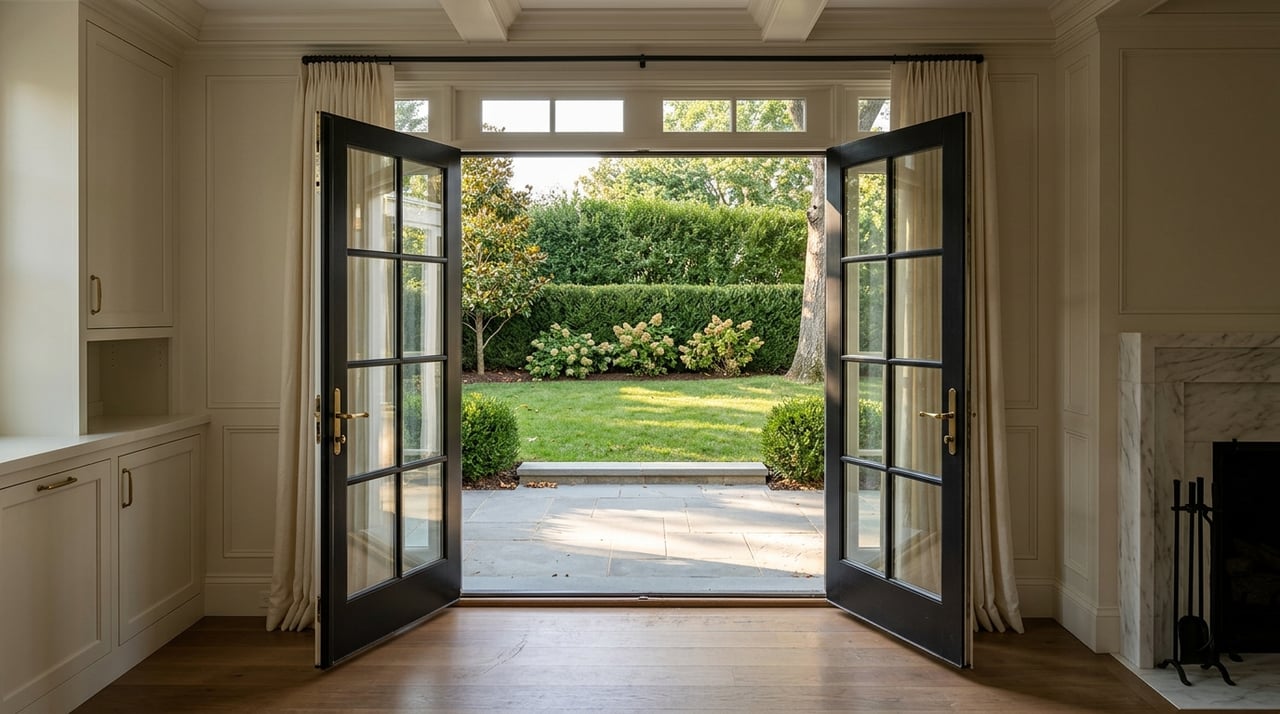
If you are selling a luxury rural estate in Wake County, standard real estate marketing is rarely enough. These properties ask buyers to understand more than a house. They need to see the land, the setting, the improvements, and the lifestyle the property supports, often before they ever step on site. The good news is that with the right strategy, you can present a complex estate clearly and convincingly to both local and out-of-area buyers. Let’s dive in.
Luxury rural estates are not marketed like a typical in-town home. In Wake County, rural land exists in a fast-growing market where population growth has been strong and farmland has become more limited over time. According to the U.S. Census QuickFacts for Wake County, the county’s estimated population reached 1,257,235 in 2025, and the county remains highly connected online.
That matters because scarcity and growth shape buyer interest. The North Carolina Office of State Budget and Management reports that Wake County became the state’s most populous county, while farm acreage declined and stood at 62,323 acres across 664 farms. When you are marketing a luxury rural estate, you are not just listing square footage. You are positioning a limited asset in a county where open land is under pressure.
Today’s buyers begin online, and that is especially true for estate properties with acreage. The 2024 NAR Profile of Home Buyers and Sellers found that 43% of buyers first looked for properties on the internet, all buyers used the internet in their search, and 69% used a mobile phone or tablet.
The same report shows what buyers find most useful online: photos, detailed property information, and floor plans. For a luxury rural estate, that means your listing has to do far more than show a beautiful kitchen or foyer. It has to explain how the house sits on the land, what improvements exist, how the property functions, and why the setting is meaningful.
Because 95.3% of Wake County households have broadband subscriptions, an online-first approach makes sense for this market. Strong digital media can reach buyers who live nearby, buyers relocating from another part of North Carolina, and buyers coming from out of state.
For luxury rural estates, visual storytelling has to be complete and polished. The goal is to help a buyer understand the property before a showing and feel compelled to schedule one.
Photos remain one of the most important tools in the search process. NAR’s staging research found that 77% of buyers’ agents said photos were more important to their clients, and the buyer profile also confirms that website photos rank among the most useful listing features.
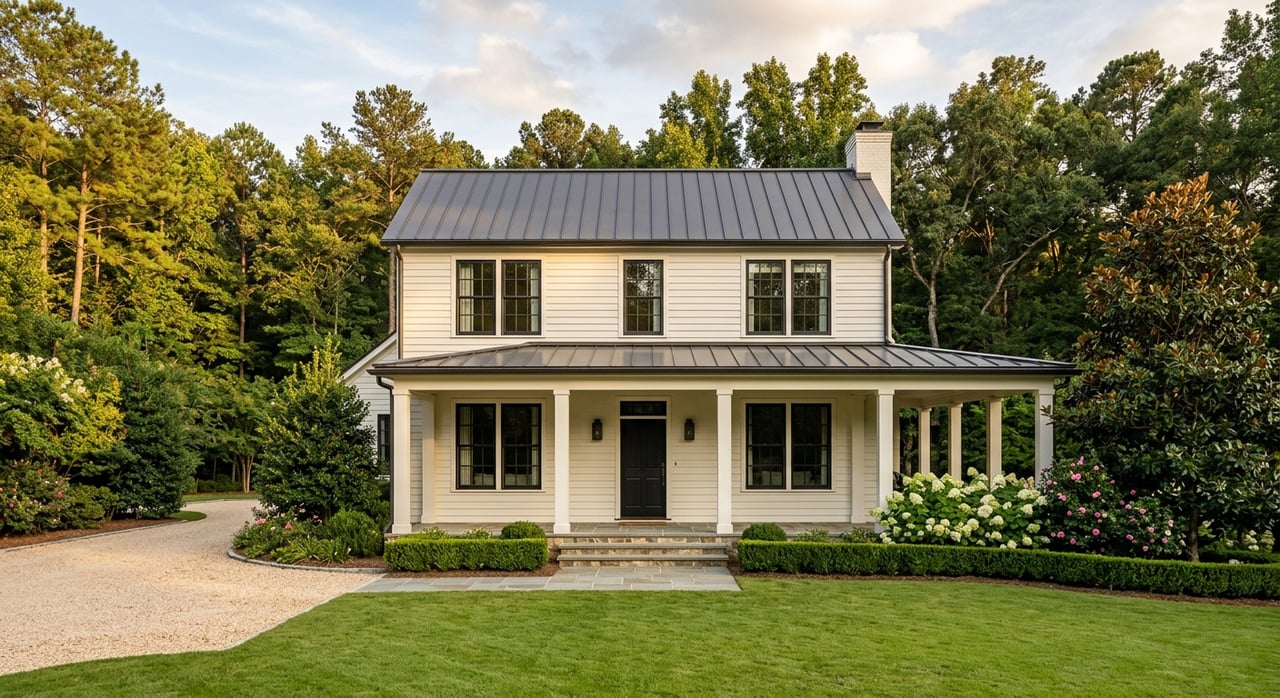
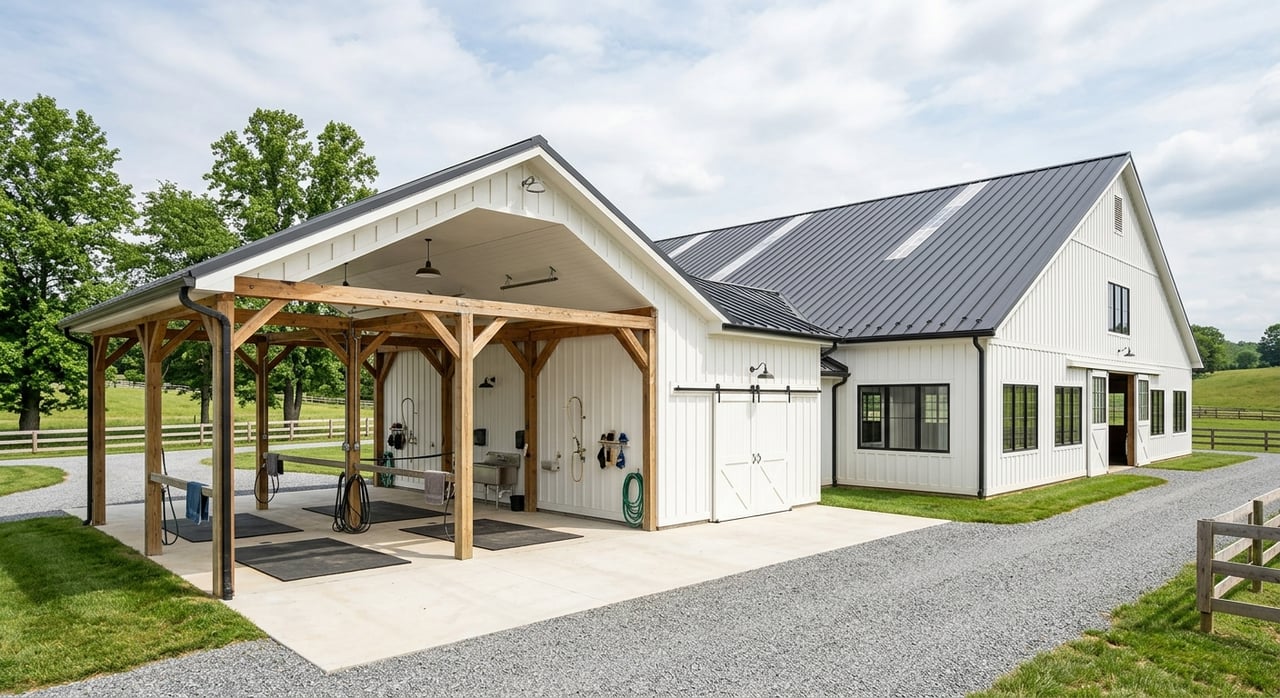
For a rural estate, photography should capture both elegance and utility. That includes the home, approach, views, land contours, outdoor living spaces, water features, barns, fencing, arenas, outbuildings, and long sightlines across the property.
Luxury rural estates often appeal to buyers who cannot visit right away. NAR’s staging report found that videos and virtual tours matter strongly to buyers, which makes high-quality video and immersive tours especially valuable for large estates.
This is where narrated HD video, aerial footage, and 3D tours can make a major difference. They help buyers understand scale, flow, and privacy in a way still images cannot. For remote prospects, these tools can move a property from curiosity to serious interest.
A luxury rural estate buyer wants to know more than room count. They want to understand layout, access, and relationship to the land. Floor plans help with the home itself, while parcel maps or surveys can help explain boundaries, drive access, and the location of improvements.
The NC REALTORS Buyer Advisory notes that MLS data may be incomplete and that surveys can reveal encroachments, easements, setbacks, legal access issues, and other important facts. That is why strong estate marketing benefits from pairing visuals with careful documentation and precise descriptions.
A Wake County luxury rural estate is not only competing for local attention. It may also attract buyers relocating from other parts of the country who want more land, more privacy, or a different pace.
According to NAR’s 2024 migration report, 46% of Realtors’ recent clients moved to the South, and 36% moved from a different state. Many chose a location to be closer to family and friends or to get more home for the money.
That has a direct impact on how you market a rural estate. Your listing should help remote buyers picture daily life on the property. It should show not only architectural quality, but also privacy, recreation, stewardship, and how the estate supports the way they want to live.
Luxury buyers expect polish, but rural-property buyers also need clarity. A strong description should explain how the estate works in practical terms.
That may include details such as:
This kind of detail supports the way buyers shop online today. It also helps filter inquiries so the buyers who schedule showings are better informed.
In rural property sales, transparency is part of good marketing. The more clearly you present known facts, the more confidence buyers can have in the opportunity.
If the estate uses a private well, buyers will want clear information. The North Carolina Department of Health and Human Services says newly constructed private wells must be tested before use, and existing wells should be tested regularly and after repairs or flooding.
If you are preparing a luxury rural estate for market, it helps to organize available well records, testing history, and filtration information before the listing goes live. Buyers do not expect perfection. They do expect clarity.
The North Carolina Real Estate Commission notes that the revised Residential Property and Owners’ Association Disclosure Statement took effect July 1, 2024, and includes more detailed questions about flooding and related issues. Sellers must provide this disclosure before an offer is made.
For estate properties with creeks, ponds, low-lying land, or long private drives, careful disclosure matters. Clear communication can reduce surprises later and support a smoother transaction.
Large parcels create more opportunities for confusion if documents are outdated or assumptions are made. The NC REALTORS Buyer Advisory reminds buyers to verify septic and sewer conditions and notes that surveys may reveal access, boundary, setback, and easement issues.
For that reason, one of the smartest marketing moves is often to gather these materials in advance when possible. Good documentation helps your property present as a serious, well-managed offering.
In Wake County, rural estates may sit near active farmland or in areas where agriculture remains part of the landscape. That can be a major draw for some buyers, but it should be explained honestly so expectations are aligned.
NC State Extension notes that Voluntary Agricultural Districts and Enhanced VADs help reduce conflicts between farms and neighboring nonfarm uses by notifying prospective neighbors about normal farm activity, such as noise, odors, dust, and slow-moving vehicles. It also notes that Wake County has a VAD program.
This is not a negative. It is simply part of good rural-property storytelling. Buyers should understand whether nearby agricultural operations contribute to the character of the area and how that may shape day-to-day experience.
Even outstanding properties need strategy and patience. Redfin’s Wake County housing market data shows a median sale price of $459,000 in February 2026 and an average of 73 days on market.
A luxury rural estate operates in its own segment, but the broader market still provides useful context. When the average listing cycle is not especially fast, premium presentation, targeted exposure, and strong follow-up become even more important.
Complex estates benefit from specialized guidance because the asset itself is layered. There may be land-use questions, equestrian improvements, timber value, utility considerations, contractor coordination, staging needs, or special showing logistics.
NAR reports that 90% of sellers used a real estate agent, and that makes sense in a category where marketing and due diligence are both more involved. For a luxury rural estate in Wake County, the strongest results usually come from a plan that combines premium media, careful factual presentation, and a team that understands land as well as homes.
If you are preparing to sell a luxury rural estate in Wake County, thoughtful marketing can help your property reach the right audience and tell the full story of what makes it valuable. To discuss a tailored strategy for your land, home, or estate, connect with Legacy Farms and Ranches.
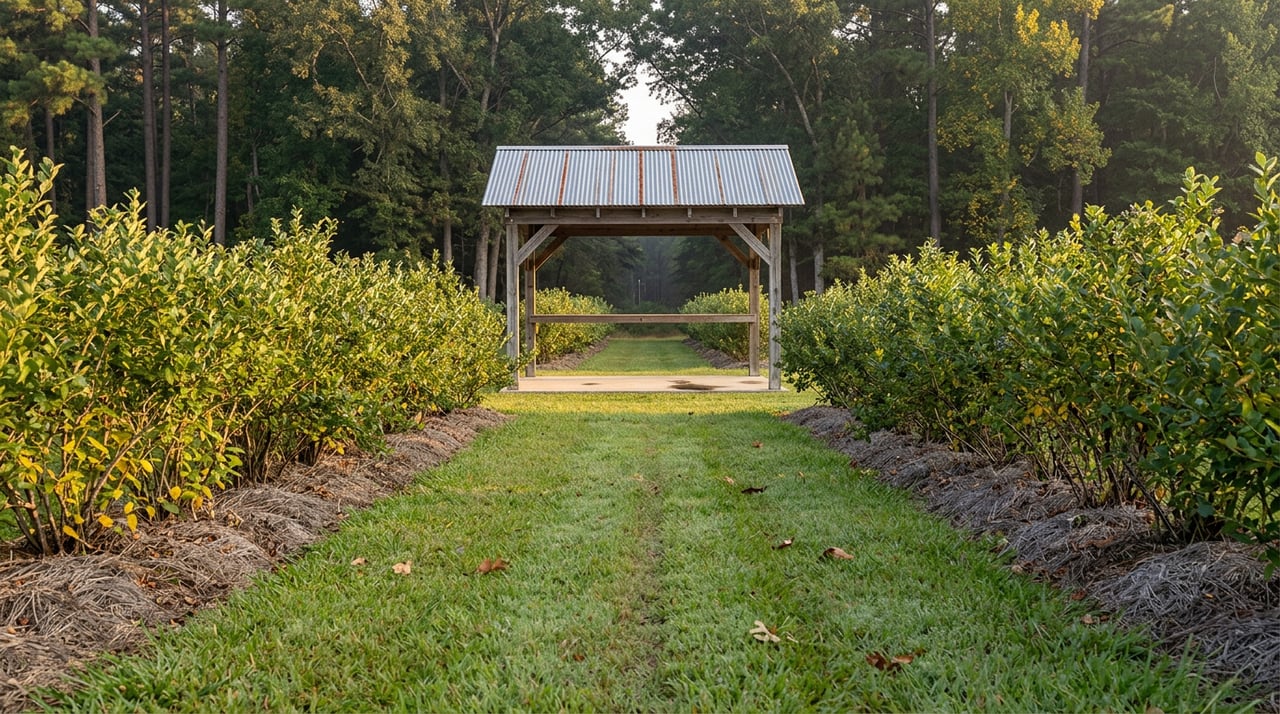
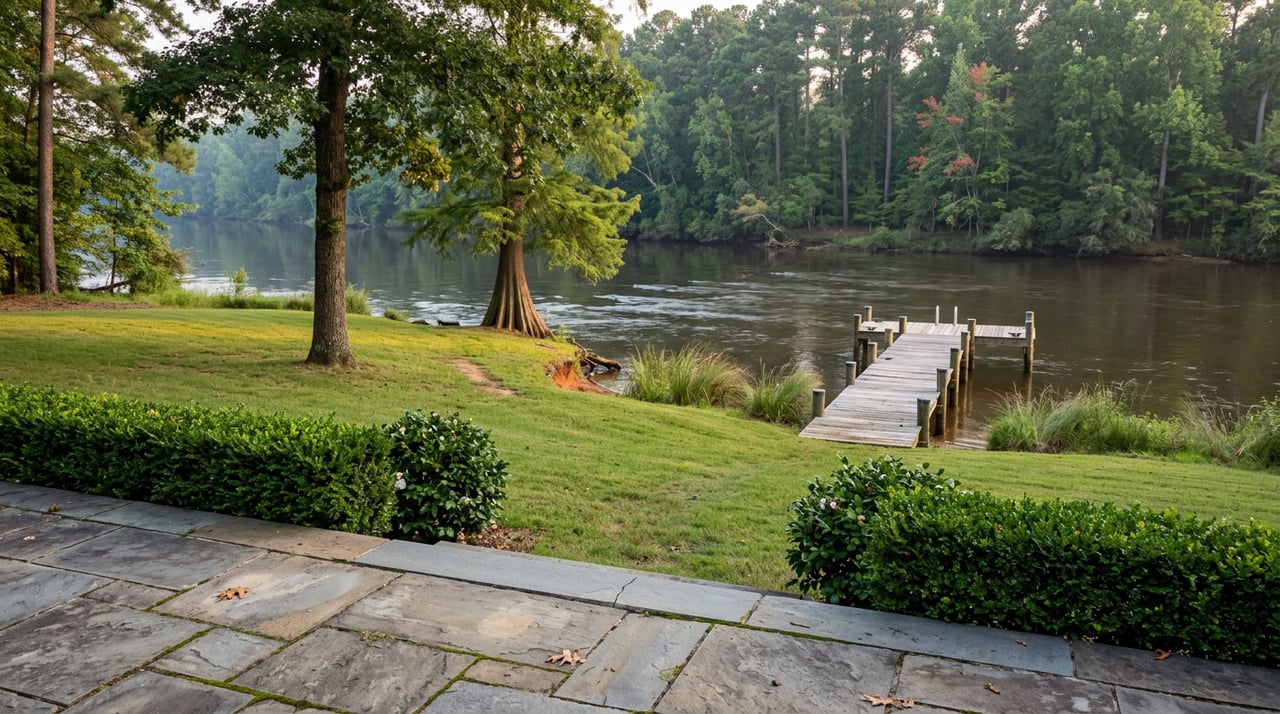
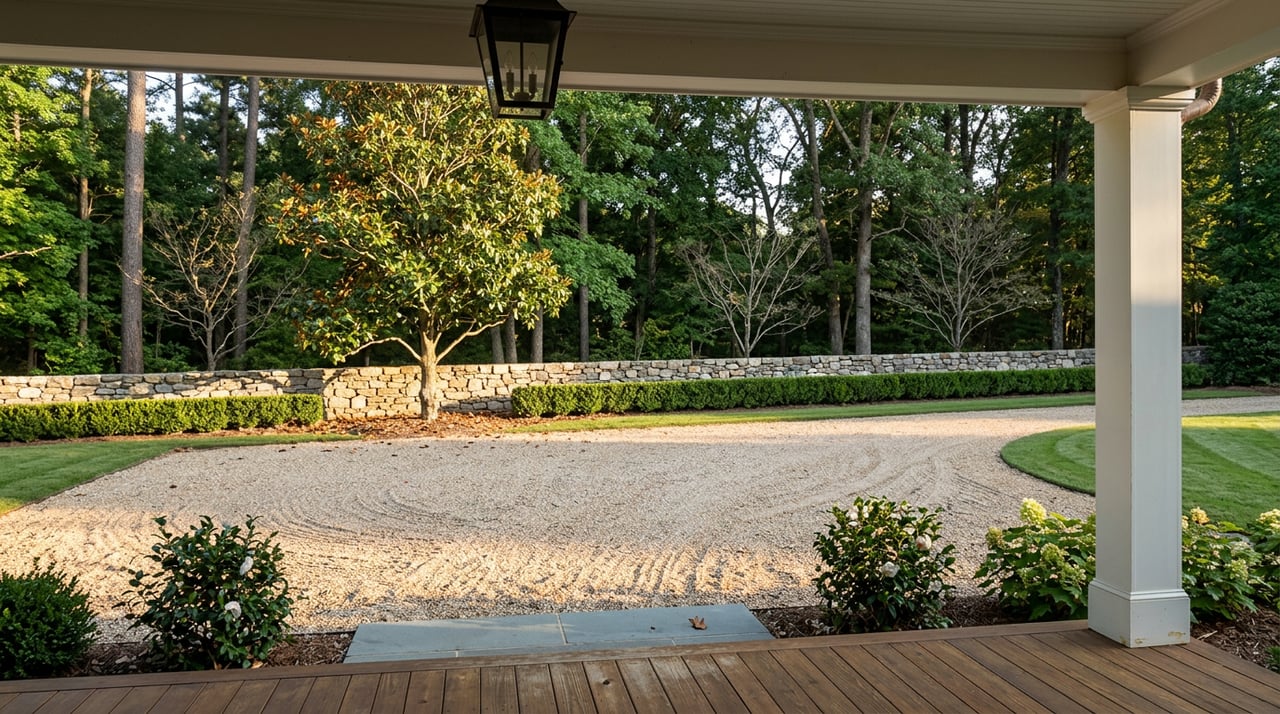
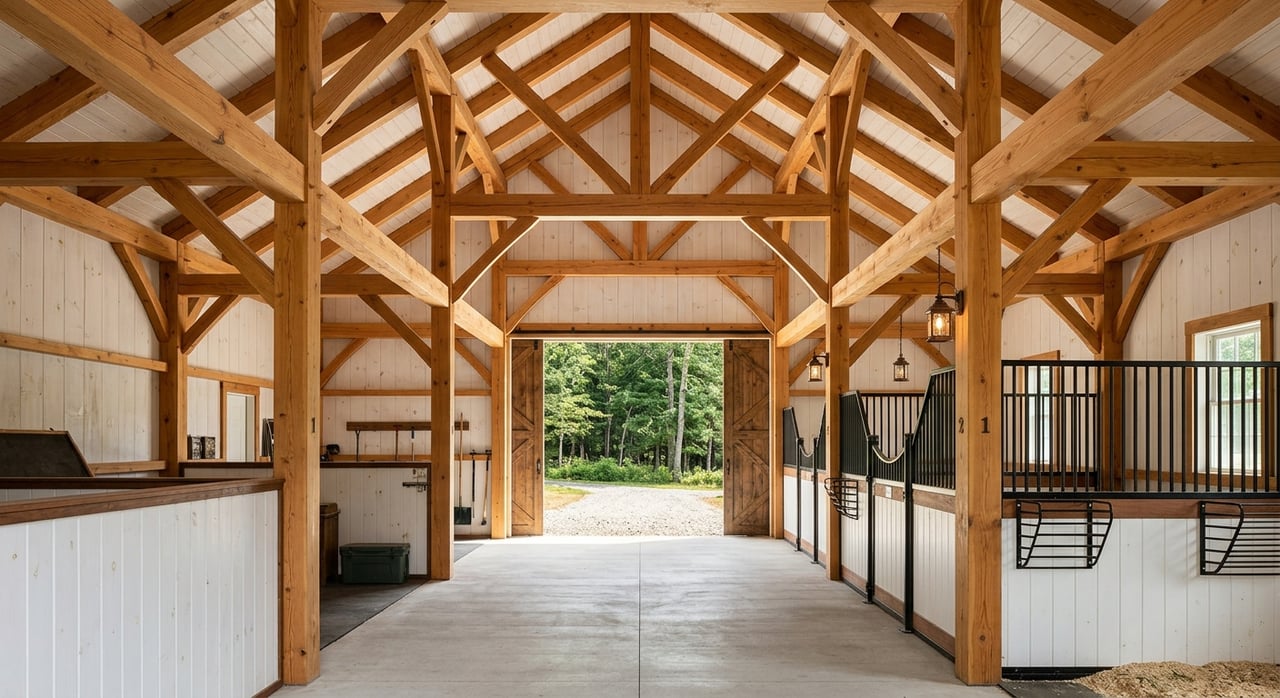
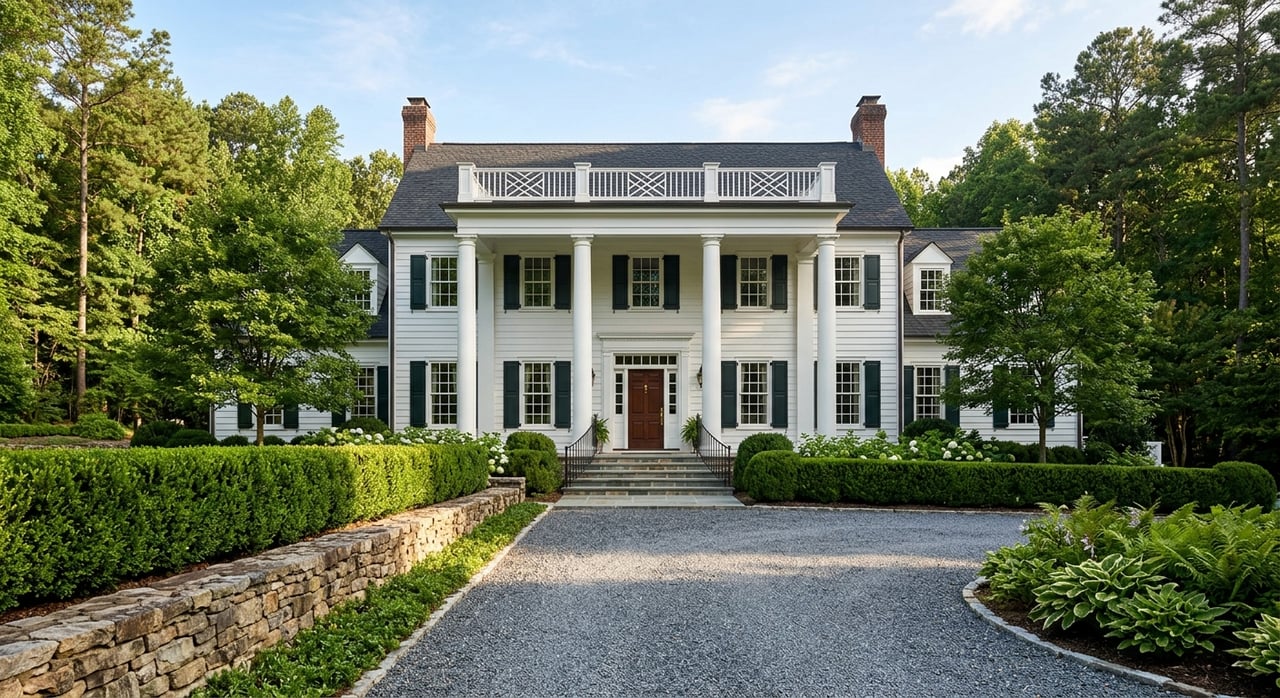
If you have a unique country home, hunting or fishing land, or other premier North Carolina property for sale, call Legacy Farms and Ranches today to learn how they can help you market your property to thousands of discerning viewers across the country.
Get In Touch With Our Team To Learn More About Our Services! Although the disclaimer is below, we will only put you on our Newsletter Mailing List!
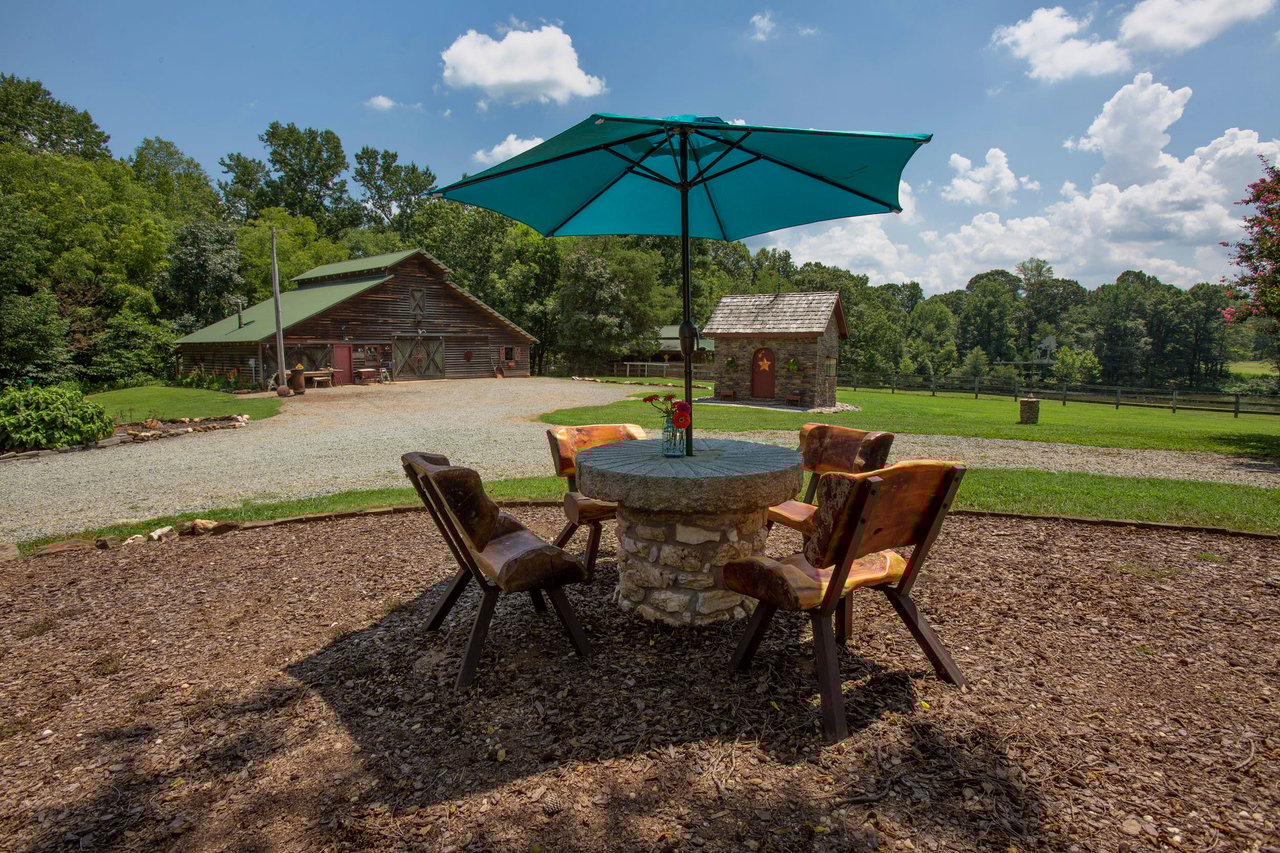
Legacy Farms and Ranches of FM Realty
7980 Arco Corporate Dr Ste 105 Raleigh NC 27617