Selling A Family Farm In Nash County: Where To Start
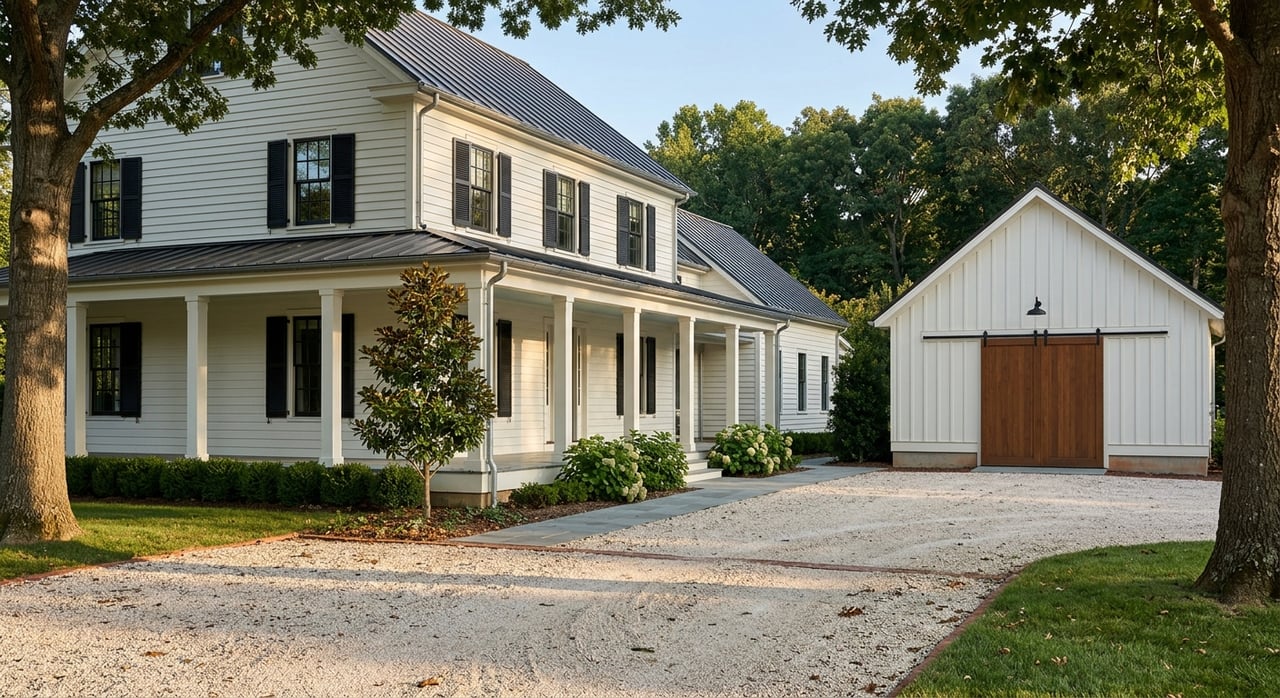
Selling a family farm can feel overwhelming, especially when the property has been in your family for years or even generations. You may be thinking about heirs, taxes, old deeds, equipment, or how to tell what the land is really worth in today’s market. The good news is that in Nash County, there is a clear place to begin: understand ownership, tax status, and property boundaries before you ever think about pricing or photos. Let’s dive in.
Before you list a family farm in Nash County, confirm who actually has the legal authority to sell it. That step matters most when the property was inherited, placed in an estate, or passed down through multiple family members over time.
In North Carolina, a will becomes public record when it is filed, and the estate process may involve letters testamentary or letters of administration that give a personal representative authority to act. The North Carolina courts estate guidance can help you understand how that process works.
If the farm passed without a will, the situation can become more complex. Legal guidance summarized by NC State Extension explains that inherited property shared by multiple relatives often requires extra work to prove ownership, and co-owners generally must agree to sell the entire tract unless a separate agreement says otherwise.
A long-held farm may have title issues that no one notices until it is time to sell. Missing heirs, partial interests, and unclear records can delay marketing and closing.
That is why your first practical move should be gathering estate documents, deeds, and any family records that show how ownership passed from one generation to the next. If several heirs are involved, getting everyone aligned early can save a great deal of time later.
Once you know who owns the property, the next step is checking whether the title is clean enough to sell without surprises. Farms often have a longer paper trail than other property types, which means there is more room for old easements, outdated legal descriptions, or unreleased liens to appear.
Nash County’s Register of Deeds maintains real estate records dating back to 1777, which can be especially useful for farms that have been in the same family for decades. A closing attorney in North Carolina typically reviews deeds, mortgages, wills, court judgments, tax records, liens, encumbrances, and maps before closing, as outlined by the North Carolina Department of Insurance title insurance overview.
For a family farm, title review may reveal:
Finding these issues before the property goes on the market gives you more control. It is usually far easier to solve a title problem early than to explain it after a buyer is already under contract.
For many Nash County farm owners, the most important tax question is whether the land is enrolled in present-use value, often called PUV. This program values qualifying agricultural, horticultural, and forestry land based on its current use rather than its highest and best use.
The North Carolina present-use value guide explains that agricultural land generally must include at least one tract with 10 acres in production and an average gross income of at least $1,000 per year over the prior three years. Horticultural land generally needs at least 5 acres and the same income test, while forestry land generally requires at least 20 acres.
Nash County also notes through its Tax Office resources and schedule of values that tax value, use value, and market value are not the same thing. That distinction matters because sellers sometimes look at a county tax figure and assume that number reflects open-market value. It usually does not.
If land leaves the PUV program, deferred taxes for the current year and the three prior years, plus interest, become due. That can affect your bottom line in a major way.
This issue becomes especially important if you plan to split off acreage, carve out a homesite, or sell only part of the farm. According to the state guide, a split can cause the remaining tract to fall below the minimum acreage requirement, which may trigger disqualification.
If a buyer wants to continue PUV after the sale, the buyer must file within 60 days of the transfer and assume any existing deferred liability. The same guide also notes that a voluntary disqualification filed on Form AV-6 cannot be rescinded once submitted.
In simple terms, you want to understand the PUV status before you accept an offer, not after. That way you can make informed decisions about pricing, tract layout, and contract timing.
Some farms are also enrolled in a Voluntary Agricultural District or Enhanced Voluntary Agricultural District. These programs are designed to help preserve farmland, so they are worth checking at the beginning of the sale process.
The North Carolina Department of Agriculture and Consumer Services VAD program page explains the statewide framework, while county participation is handled locally. If your farm is enrolled, you will want to know what paperwork exists and whether the buyer needs to understand any related notices or program details.
After ownership and tax status, your next job is organizing the property itself. A strong document packet helps buyers understand what they are looking at and helps your sale move forward with fewer questions.
This is particularly important in Nash County, where farms can include a mix of tillable fields, pasture, timber, barns, ponds, homesites, and support structures. The county’s agricultural profile shows active production across crops and livestock, including soybeans, sweet potatoes, broilers, cattle, and hogs, according to the North Carolina agricultural statistics bulletin.
A useful seller packet may include:
Nash County’s GIS mapping tools can help you pull parcel information and visualize how the farm is laid out. For properties with private well or septic systems, records may also be available through public agencies as outlined by the North Carolina DEQ public records guidance.
Family farms often include more than land and buildings. You may also have tractors, implements, livestock, harvested inventory, trailers, or other items that are not automatically part of the real estate.
That is why it helps to decide early what is staying with the property and what is not. The North Carolina Department of Insurance title insurance guidance makes clear that title review focuses on real property, while ownership of personal property may need separate documentation.
Be specific about:
Clear documentation reduces confusion and helps buyers compare the property accurately.
Not every farm in Nash County appeals to the same buyer. Some buyers are focused on production and land utility, while others are looking for a rural homeplace with acreage, privacy, and functional outbuildings.
That is why it helps to view the farm in sections rather than as one broad idea. A buyer may value the homesite, tillable ground, pasture, woods, ponds, and barns very differently depending on the intended use.
When preparing a sale, organize the property story around features such as:
This kind of clear breakdown makes the property easier to understand for both local buyers and out-of-area buyers. It also supports more accurate pricing conversations.
If your sale is happening late in the year, pay attention to the county tax calendar. Nash County says property tax bills are mailed in August and taxes are due September 1.
That does not determine whether you should sell, but it does help you plan for closing timing, prorations, and any transfer details tied to the annual billing cycle. It is a small step that can prevent last-minute confusion.
If you are wondering where to start, focus on the steps that reduce uncertainty first. A family farm sale usually goes more smoothly when you solve legal, tax, and boundary questions before you start marketing.
Here is a practical order to follow:
Selling a family farm in Nash County is rarely just about putting a sign in the ground. It is about understanding the land’s legal history, tax treatment, and physical layout so you can move forward with clarity and confidence.
When you are ready for guidance, Legacy Farms and Ranches can help you make sense of a complex rural property, prepare it for market, and present its story with the care it deserves.
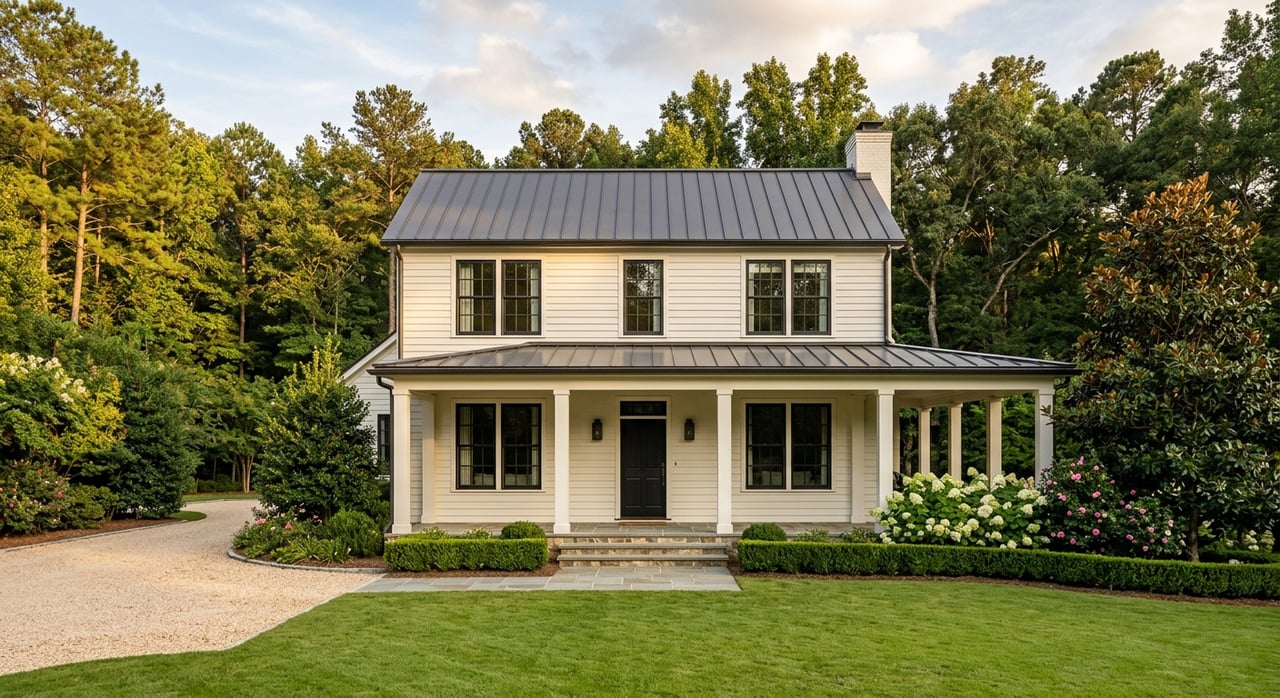
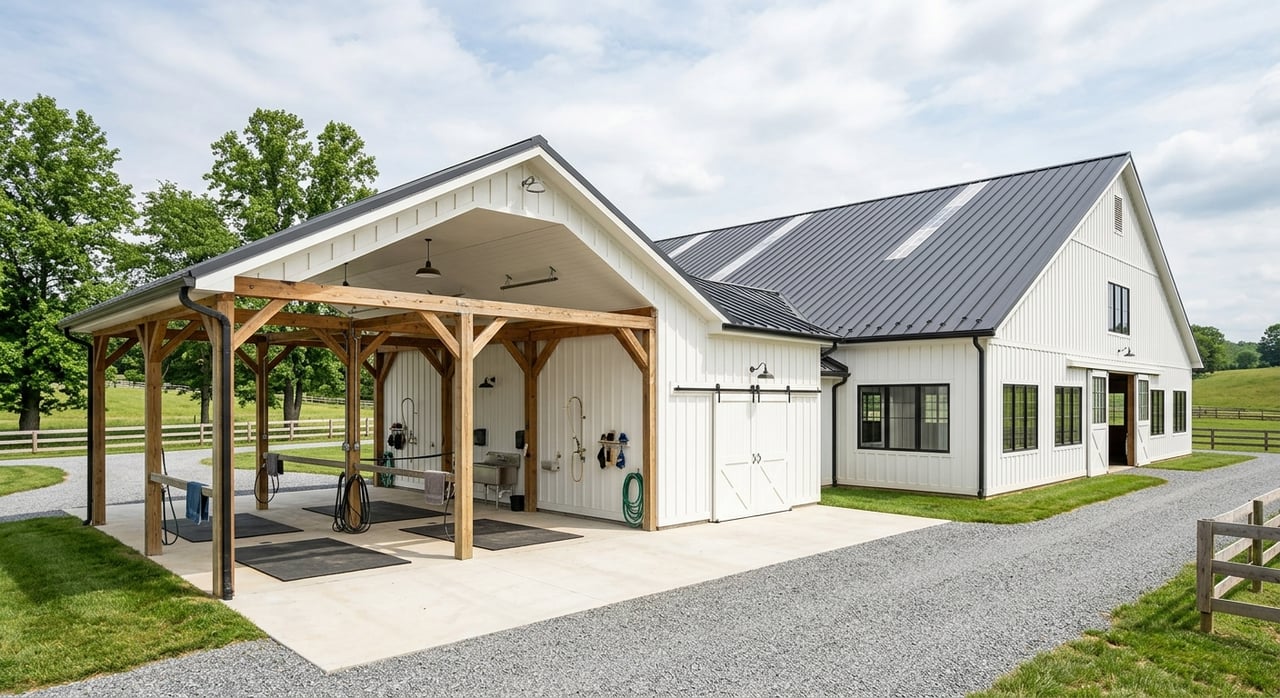
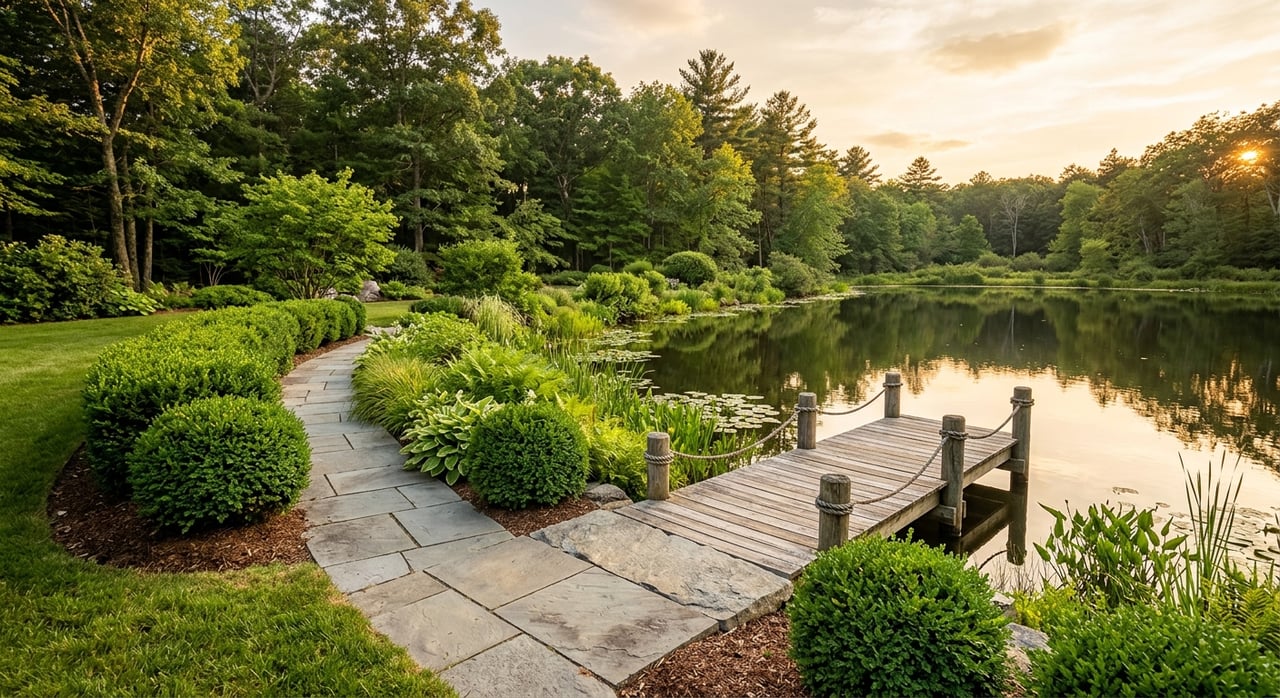
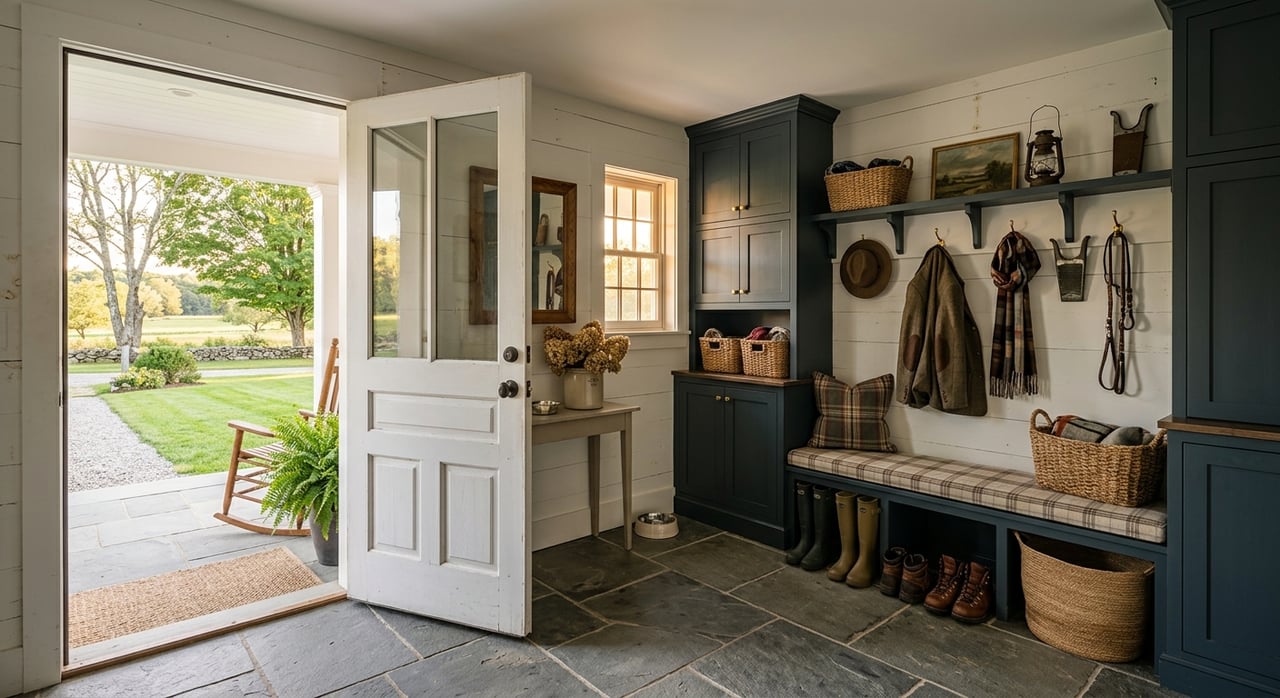
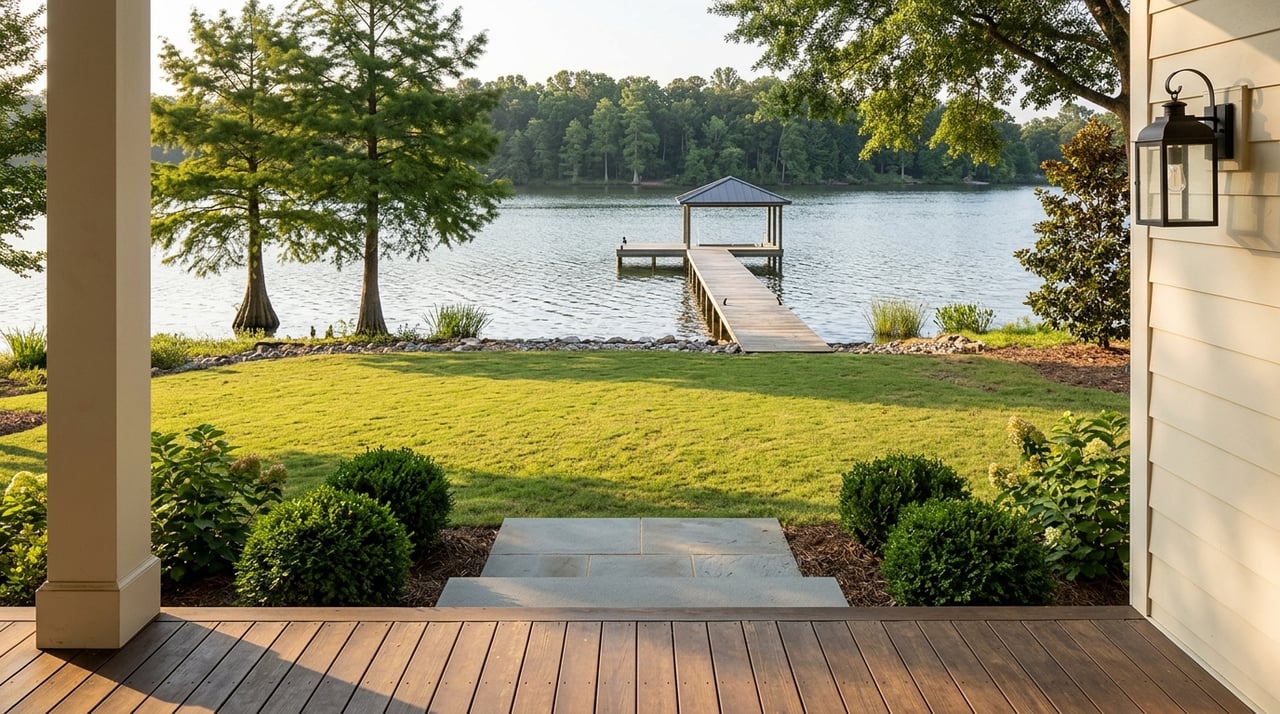
If you have a unique country home, hunting or fishing land, or other premier North Carolina property for sale, call Legacy Farms and Ranches today to learn how they can help you market your property to thousands of discerning viewers across the country.
Get In Touch With Our Team To Learn More About Our Services! Although the disclaimer is below, we will only put you on our Newsletter Mailing List!
Legacy Farms and Ranches of FM Realty
7980 Arco Corporate Dr Ste 105 Raleigh NC 27617