Agritourism Potential On Orange County Farms And Land
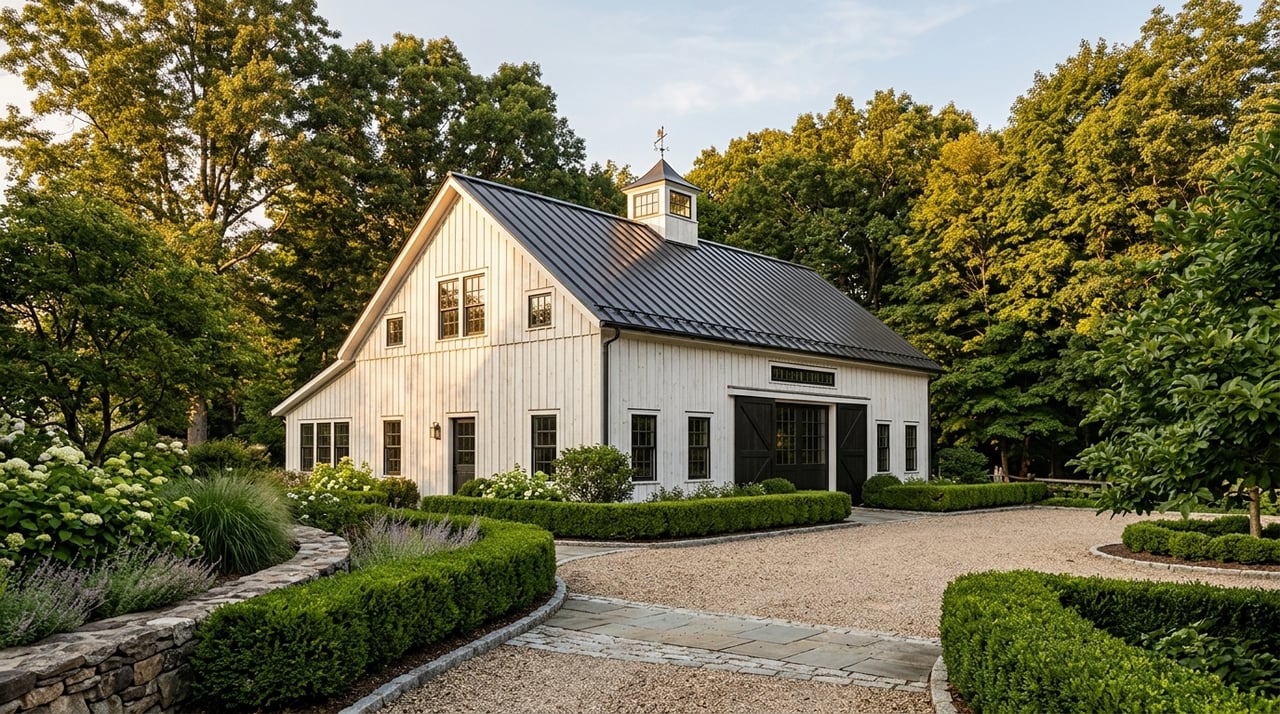
If you have been eyeing farm or land opportunities in Orange County, agritourism deserves a serious look. This part of North Carolina offers something many rural markets want but do not always have: a strong agricultural base paired with a nearby customer base. Whether you are dreaming about a pick-your-own operation, small farm events, workshops, or equine experiences, understanding the local fit can help you spot land with real long-term potential. Let’s dive in.
Orange County sits between Research Triangle Park and the Triad, giving farm-based businesses access to both a rural setting and a nearby visitor market. The county reports a population of more than 140,000 residents, with Hillsborough, Chapel Hill, Carrboro, and Mebane serving as key communities.
That mix matters when you are evaluating agritourism potential. A farm does not need to be deep in a remote tourism corridor to attract interest if it can offer a clear experience close to population centers. In Orange County, that nearby demand can support day trips, seasonal visits, workshops, and small farm events.
The county also has a meaningful agricultural footprint. County planning materials say more than 67,000 acres are used for farm purposes, and 54% of county land area is considered prime farmland. At the same time, local materials note land pressure and a growing mix of smaller and part-time farms.
The 2022 USDA county profile shows 687 farms and 53,068 acres in farms in Orange County, with an average farm size of 77 acres. Total agricultural sales reached $32.45 million, with 54% from crops and 46% from livestock, poultry, and related products.
Those numbers tell an important story for buyers and sellers. Orange County is not only a place for large traditional operations. It also includes many smaller or mixed-use farms, which often align well with agritourism ideas that do not require major acreage or heavy upfront investment.
In fact, 45% of farms in the county are between 10 and 49 acres, and 32% are between 50 and 179 acres. Only 1% are 1,000 acres or larger. That means a well-laid-out small or mid-sized tract may be more practical than many buyers assume.
North Carolina uses a broad definition of agritourism. State law includes harvest-your-own activities, educational and recreational visits, equestrian activities, and natural attractions. It also allows farm buildings used for agritourism to host weddings, receptions, meetings, farm demonstrations, meals, and similar events tied to the farm’s rural setting.
That broad framework creates room for several realistic concepts in Orange County. The best fit often depends on the land itself, existing improvements, access, and how closely the idea matches the farm’s current or planned use.
A number of concepts stand out as especially plausible in this market:
These uses line up with what visitors already seek across North Carolina. The state’s Visit NC Farms platform groups agritourism into farm visits, u-pick, farm stays, farmers markets, trails, workshops, sips + bites, and special events.
Orange County’s agricultural sales profile also gives useful clues. In the 2022 USDA profile, nursery, greenhouse, floriculture, and sod accounted for $7.0 million in sales. Poultry and eggs accounted for $11.1 million, fruits, tree nuts, and berries for $1.1 million, and vegetables, melons, potatoes, and sweet potatoes for $2.1 million.
For a buyer, that suggests some concepts may have a more natural fit than others. Flower-focused visits, berry picking, farm stands, seasonal produce experiences, and select poultry-adjacent educational ideas may be easier to align with the county’s existing farm patterns than a one-size-fits-all event model.
NC State Extension also notes that North Carolina farms are already using a wide range of agritourism formats. These include farm stays, campouts, on-farm brunches, guided tours, workshops, and wellness programming such as farm yoga.
One of the biggest misconceptions in rural real estate is that agritourism always requires a very large property. In Orange County, the data points in another direction. Many workable concepts can fit on smaller tracts if the property has the right setup.
Acreage still matters, of course, but it is only part of the picture. You should also evaluate how visitors will enter the property, where they will park, how they will move through the site, and whether the improvements support safe and efficient use.
When you assess a farm for agritourism potential, look beyond the raw land count. Existing improvements can lower startup costs and expand your options.
Helpful features may include:
NC State Extension notes that campsite-style offerings need basics such as toilets, showers, water, and a safe place for tents or trailers. Even for simpler concepts, practical infrastructure can make the difference between a workable plan and a costly one.
In many cases, yes, but the details matter. North Carolina says a farm building does not lose its status simply because it hosts events such as weddings, receptions, meetings, farm demonstrations, or meals.
That said, the use must still fit within the farm and agritourism framework. If a proposed use falls outside those definitions, Orange County says it becomes subject to the county’s Unified Development Ordinance and the state building code.
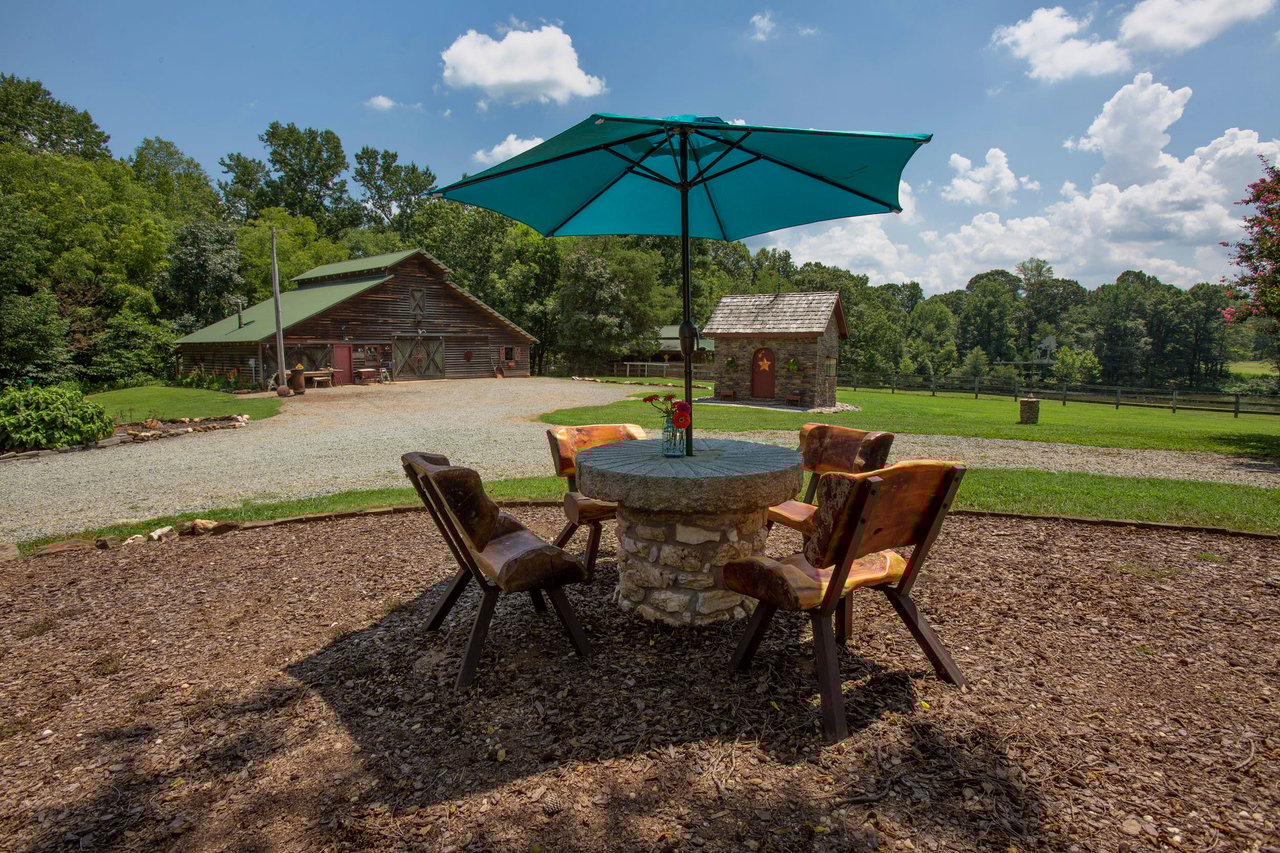
For buyers, this is a key due diligence issue. A beautiful barn may look like an instant event venue, but the actual path forward depends on how the use is structured and whether it remains within the state and county framework for bona fide farm and agritourism activity.
Orange County follows North Carolina law on bona fide farm use. State law says county zoning may not affect property used for bona fide farm purposes, and Orange County says it cannot require a bona fide-farm application.
Instead, the county accepts affidavits and offers courtesy advisory opinions. That can be helpful if you want an early read on whether your intended use fits within the farm or agritourism definitions before you invest too much in improvements.
If you are considering events or public-facing activities, there are also practical review points to keep in mind. Orange County’s special-events guidance directs users to Emergency Services for medical standby questions, and it says food vendors at an event should be checked by Environmental Health.
In plain terms, event planning on a farm is not only about the barn or pasture. It may also involve emergency access, traffic flow, food service review, and overall site logistics.
North Carolina offers agritourism liability protections for injuries caused by inherent risks, but only if the operator follows the statute’s notice rules. The required warning signs must be posted at the entrance and at the activity site, and the required warning language must also appear in contracts.
If those requirements are not met, the operator cannot use the statute’s immunity. For anyone buying land with plans for public visits, this is not a small detail. It should be part of your operating plan from day one.
Orange County already treats agriculture as an important economic and cultural asset. That matters because buyers and owners are not operating in a vacuum. There are local programs and resources that reflect long-term support for farmland and agricultural activity.
Examples include:
For a buyer, these programs can help show whether a property fits a broader agricultural strategy. For a seller, they can add context that helps position the land more clearly in the market.
If you are shopping for Orange County farm or land with agritourism in mind, start with the basics before you get attached to the scenery. A pretty property is not always a practical one.
Focus your early review on:
It is also wise to think in phases. A smaller operation that starts with farm tours, seasonal products, or workshops may be easier to launch than a large event-driven concept.
If you own land in Orange County and think agritourism potential may appeal to buyers, your marketing should go beyond acreage totals. The right buyer often wants to understand how the property could function, not just how it looks on paper.
Useful points to highlight may include existing farm buildings, parking areas, water access, crop suitability, visitor flow, and proximity to Hillsborough, Chapel Hill, Carrboro, or Mebane. If a property already supports a working farm use or has structures that may align with North Carolina’s agritourism framework, that context can be valuable.
This is where specialized land marketing matters. Rural properties with agritourism potential often need a more thoughtful story, stronger visual presentation, and clearer operational context than a standard residential listing.
If you are evaluating a farm, acreage parcel, or country property in Orange County, a land-focused strategy can help you see the practical upside more clearly. To discuss a property with a team that understands rural assets, stewardship, and buyer positioning, connect with Legacy Farms and Ranches.
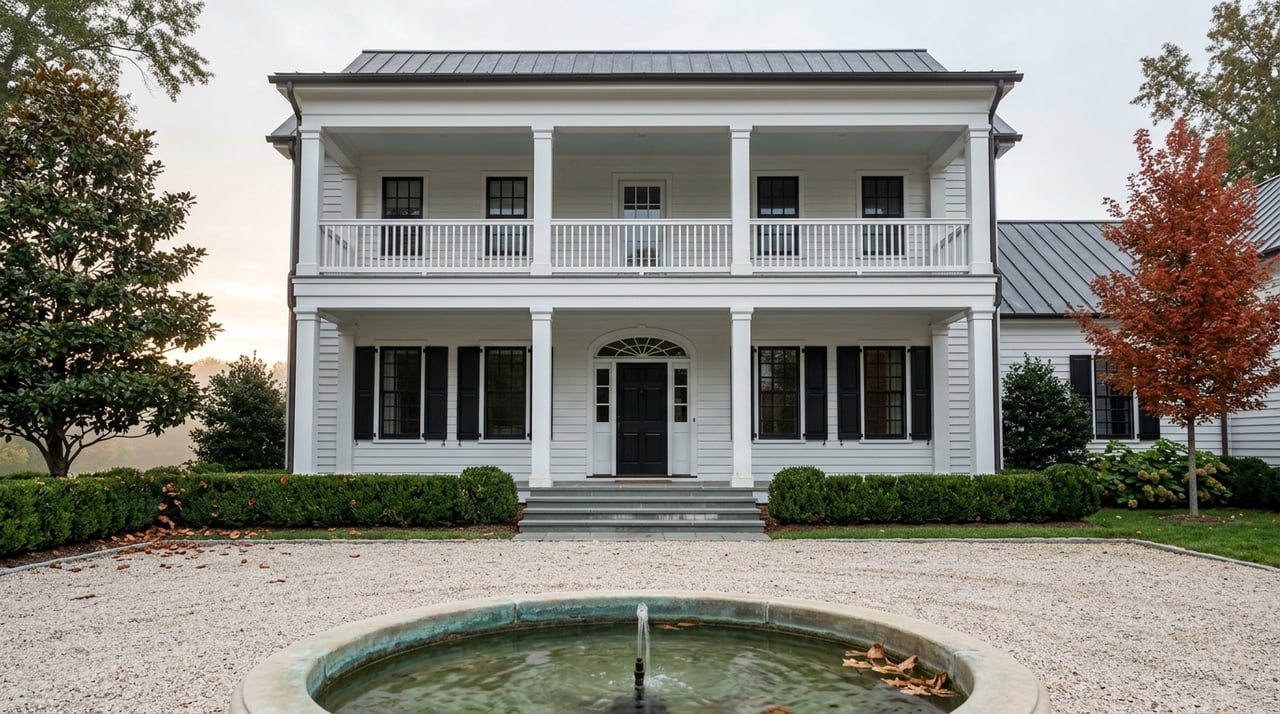

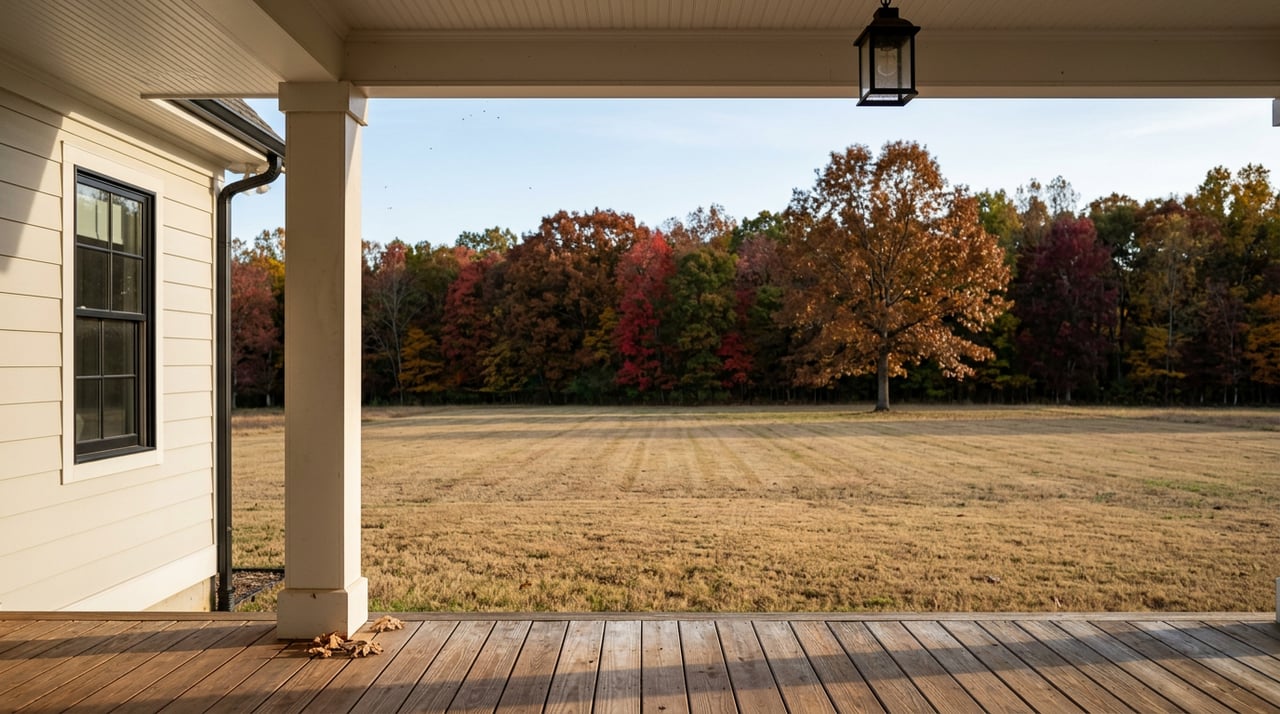
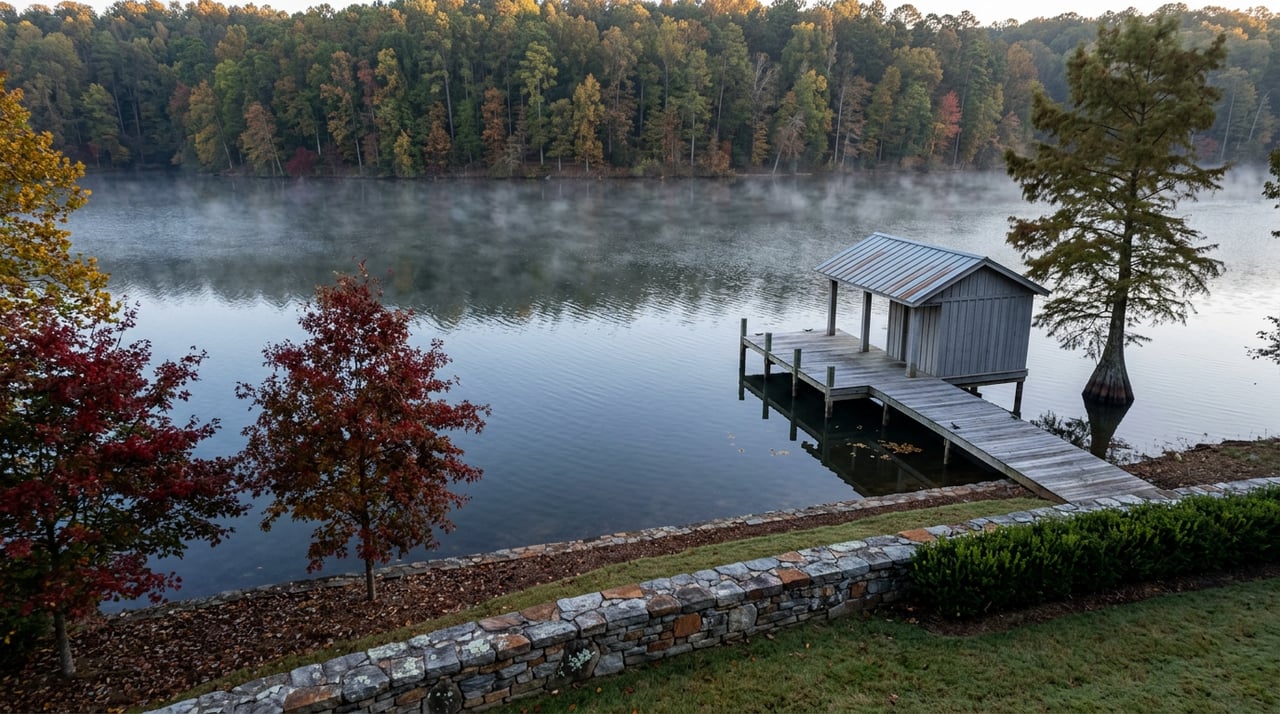
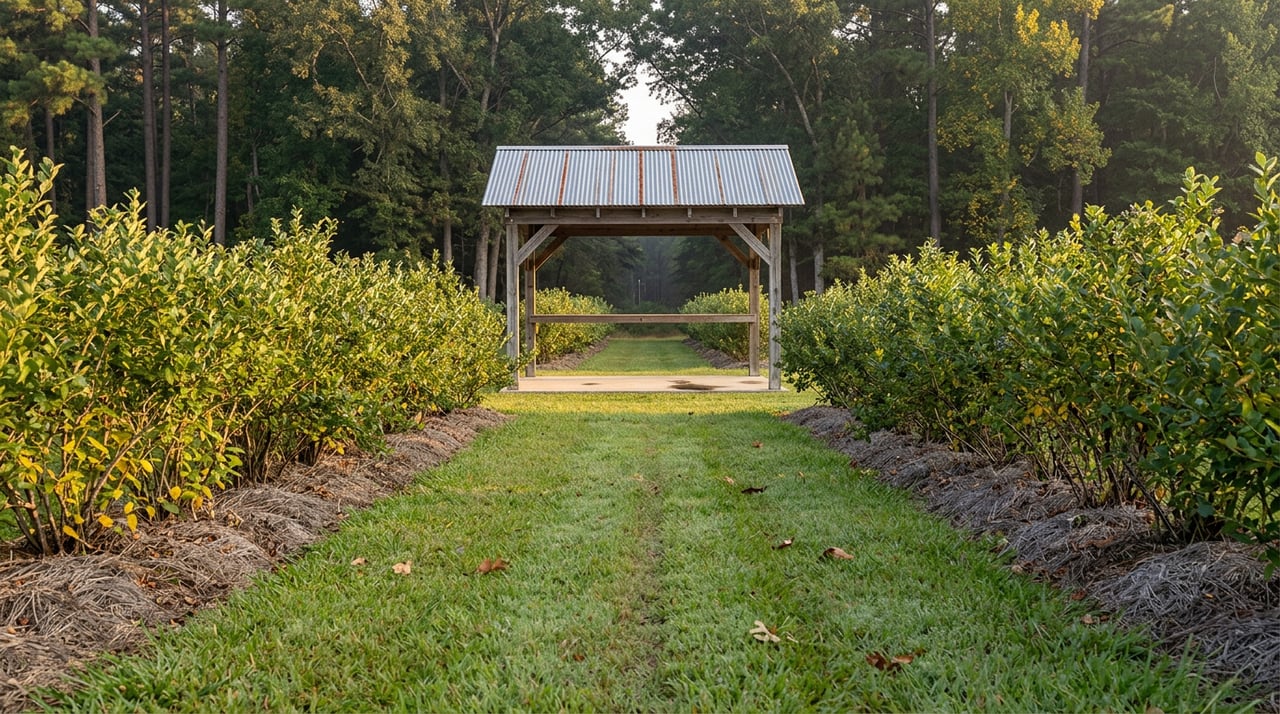
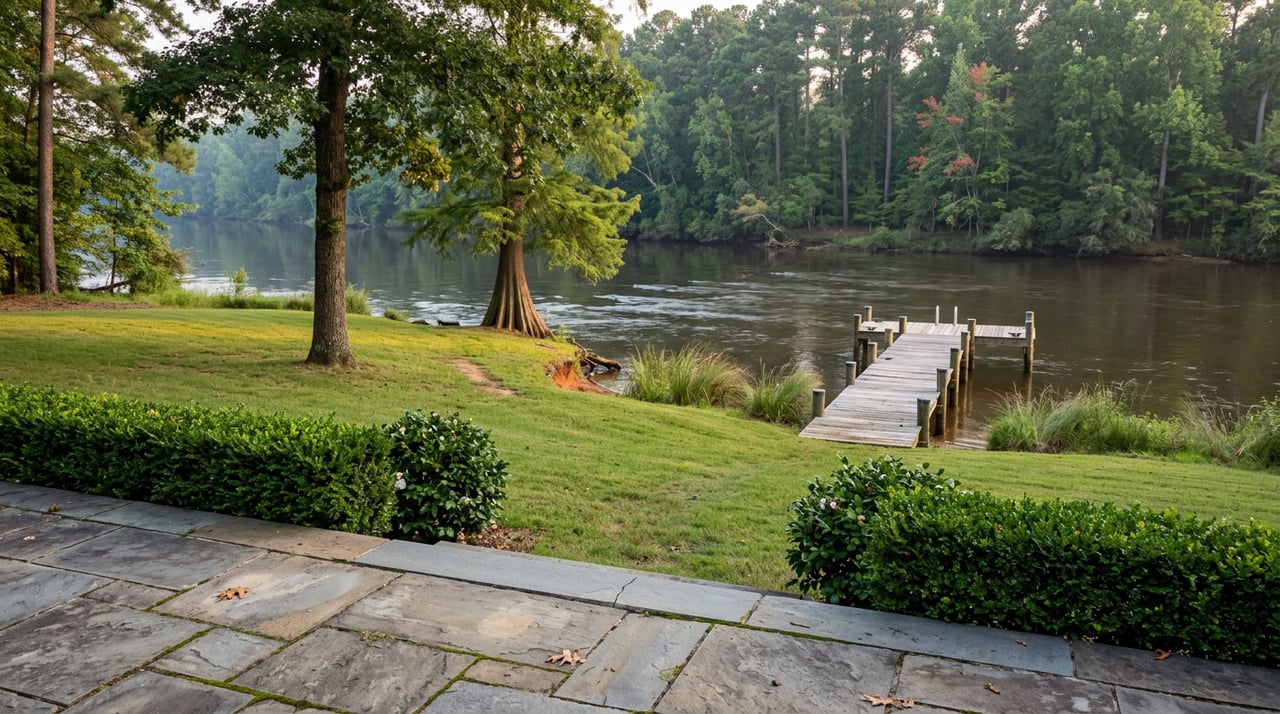
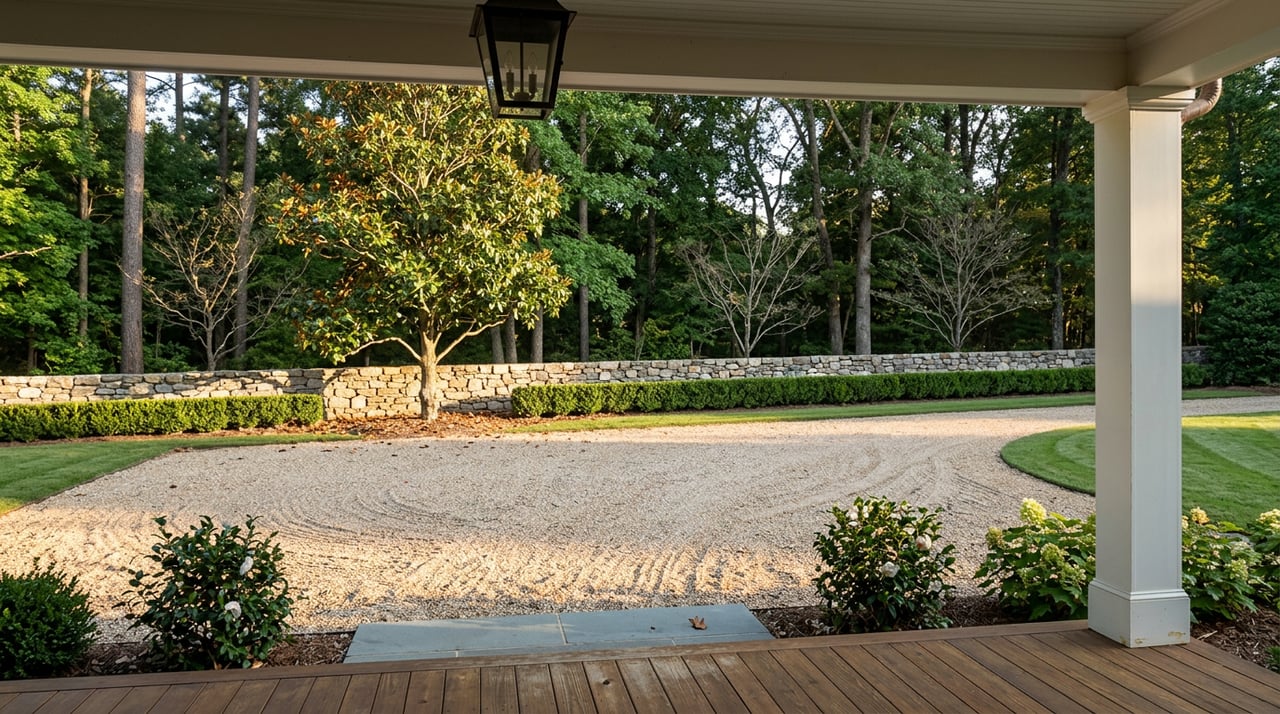
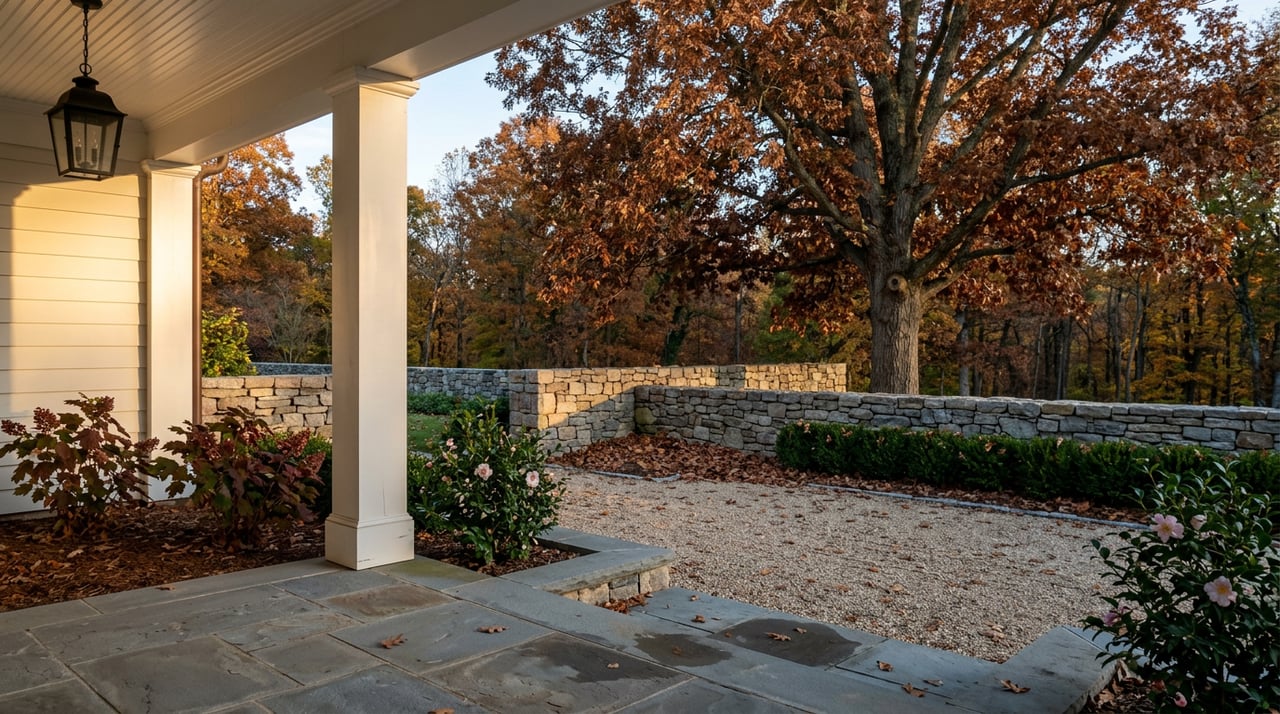
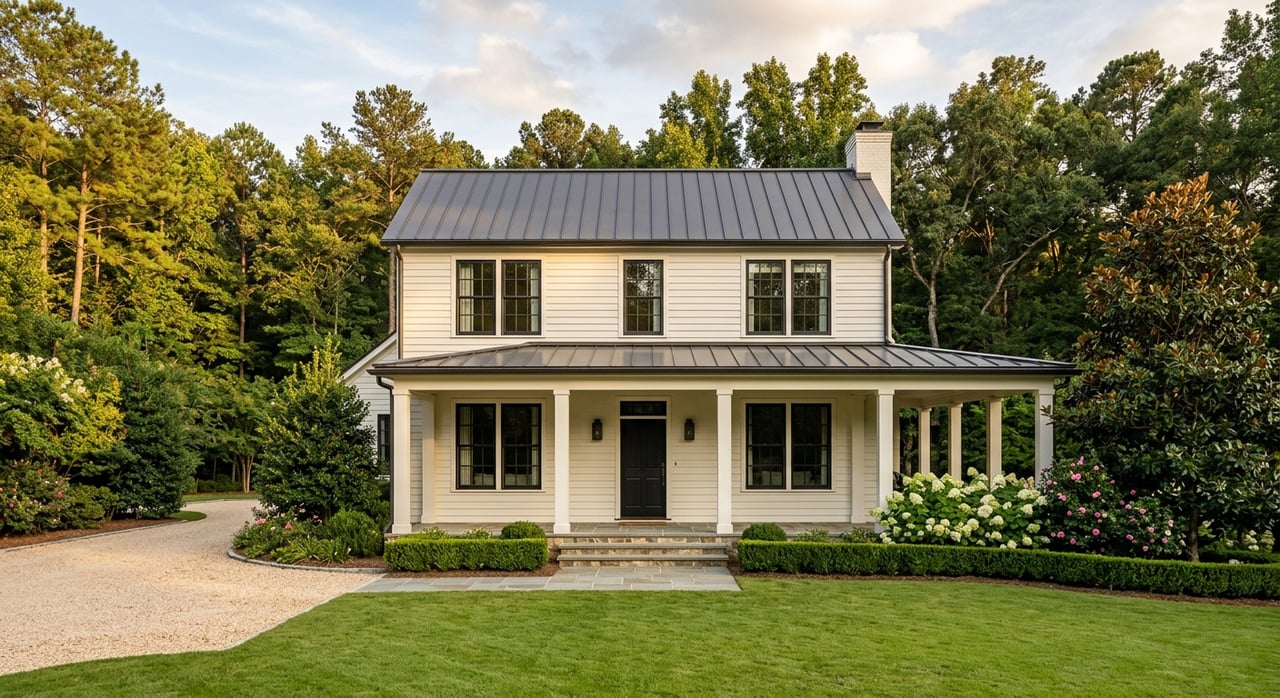
If you have a unique country home, hunting or fishing land, or other premier North Carolina property for sale, call Legacy Farms and Ranches today to learn how they can help you market your property to thousands of discerning viewers across the country.
Get In Touch With Our Team To Learn More About Our Services! Although the disclaimer is below, we will only put you on our Newsletter Mailing List!
Legacy Farms and Ranches of FM Realty
7980 Arco Corporate Dr Ste 105 Raleigh NC 27617