What To Look For In Caswell County Hunting Land
Thinking about buying hunting land in Caswell County near 27212? Not all acres hunt the same, and small details can make a big difference in your results and long-term costs. With the right mix of habitat, water, access, and management potential, you can turn a good tract into a great one. In this guide, you’ll learn exactly what to look for on the ground and what to verify on paper so you can buy with confidence. Let’s dive in.
Caswell County lies in North Carolina’s Piedmont, a landscape of rolling uplands, oak and hickory ridges, and small stream valleys that support diverse wildlife. Get to know the county’s setting through the county website, then look at how local water and public lands influence value and game movement.
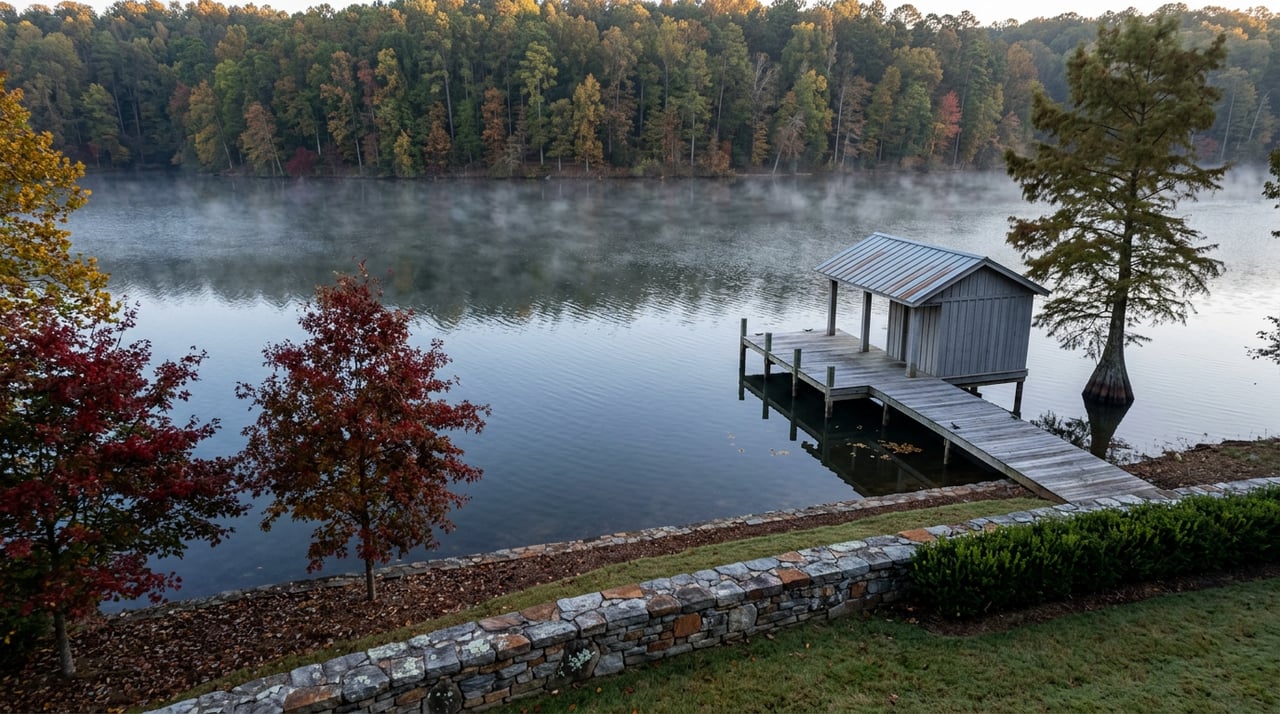
Water matters here. Hyco Lake is a major recreational draw, and the Dan River and small creeks shape travel corridors, bedding cover, and seasonal bird use. Proximity to the R. Wayne Bailey-Caswell Game Lands also boosts recreational value and habitat connectivity.
Look for mature oak and hickory on ridges paired with hardwood bottoms along lower slopes. Mixed pine-hardwood stands and thick regenerating areas create bedding and edge cover for deer, turkey, and small game. Age-class diversity is a big plus, since older hardwood blocks provide structure and mast while younger stands supply browse and screening. Review the NC Wildlife Commission’s overview of Piedmont habitats to help assess what you are seeing.
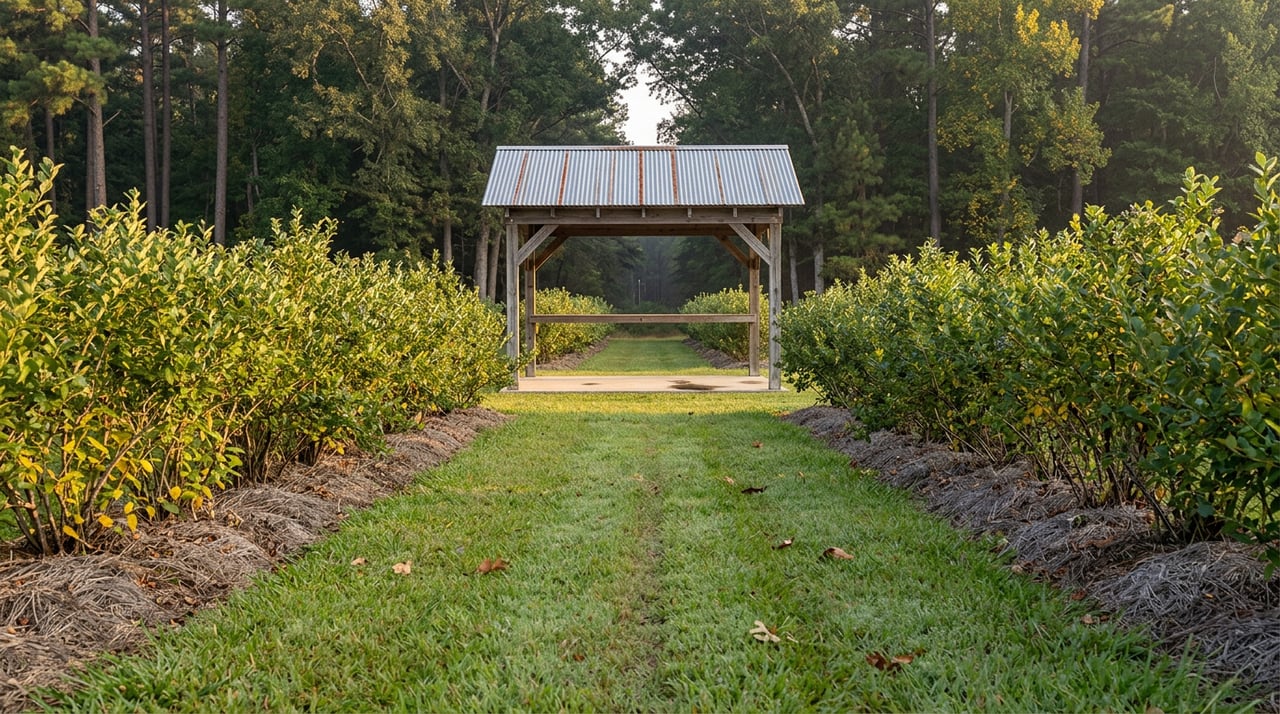
Fields, pasture, and food plots are strong attractors. In Caswell, you often see legacy cropland, hay fields, and retired tobacco ground that can be refreshed as plots. Map the size and layout of fields, note any active farm leases, and confirm where fields meet timber to create safe approach routes for wildlife.
Mast and soft fruit matter too. Identify dominant white and red oaks and note persimmon, wild apple, and berry patches. Try to visualize mast rotation and how different trees will produce across seasons and years.
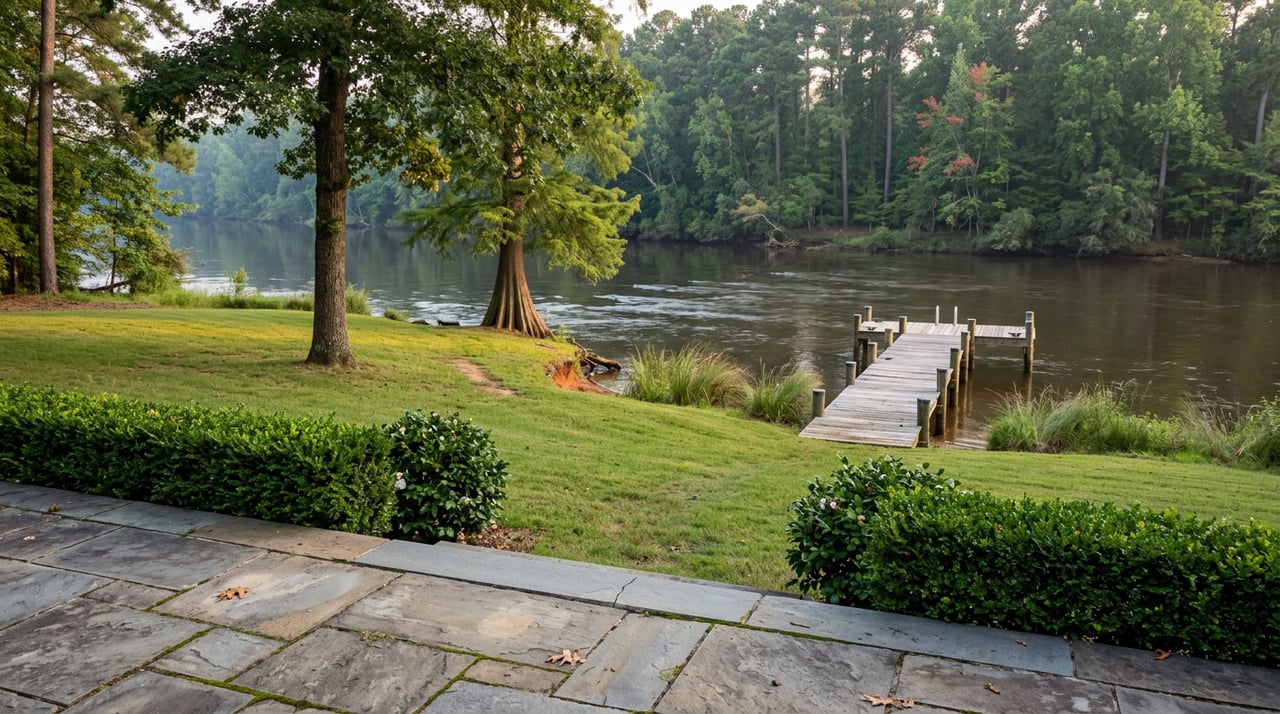
Permanent water keeps wildlife on a tract. Ponds, wet swales, and reliable creeks add year-round diversity, and even small beaver ponds can help waterfowl and brood rearing. Verify whether ponds are spring-fed, how they hold through summer, and whether any water-control structures are permitted. Streamside forest also doubles as thermal cover and a travel hub, so walk floodplain areas for sign and confirm that riparian buffers are intact.
Parcels next to large timber blocks or state game lands function larger than their deeded acres. Even a narrow shared boundary can improve movement and holding power for deer and turkeys. Factor adjacency into your expectations for stand placements and pressure.
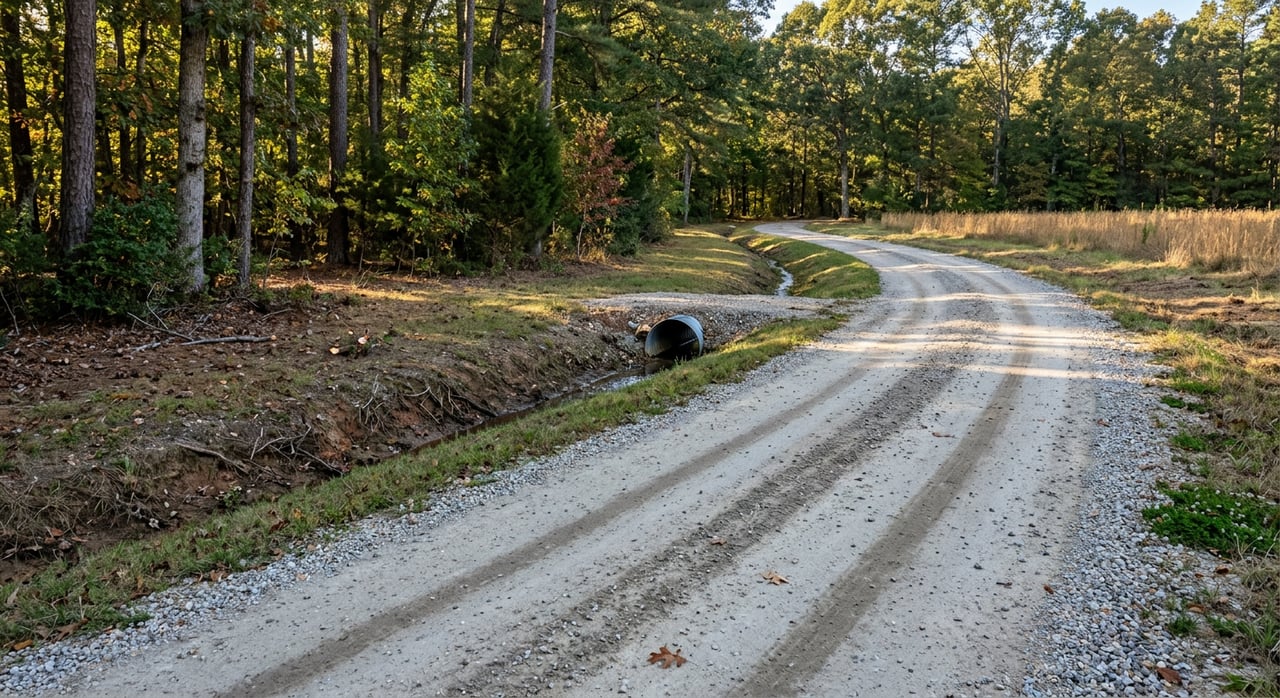
Confirm you have clear deeded access or road frontage. Inspect the actual entry for grade, drainage, and seasonal passability. If you border public land, check boundary lines and signage so you can manage your side with confidence.
A good internal trail system is a quiet-entry asset and makes timber work, food-plot maintenance, and emergency access easier. Walk roads for culverts, grades, and stream crossings, and note if any routes fall inside streamside buffers. NC State Extension’s guidance on timber operations and best management practices can help you evaluate potential fixes and costs.
Fields that are tucked against cover with gentle slopes make planting and access simpler. You want stand sites that let you slip in with the wind, avoid skyline exposures, and use edges to your advantage. Sketch a simple map as you walk so you can place stands and blinds without over-pressuring core bedding areas.
Standing timber is both habitat and a financial asset. Species mix, log quality, and mill proximity influence value, and markets change with season and demand. A consulting forester can cruise volumes, plan harvests, and help you market timber when the time is right.
Piedmont sandy loams common to Caswell influence what you can grow, where you can build, and how you site ponds. Use the NRCS Web Soil Survey to review septic interpretations, potential pond locations, and field suitability. On the ground, look for well-drained uplands for oak-hickory stands and deeper mesic soils in lower troughs and floodplains for hardwood bottoms.
North Carolina’s Present-Use Value (PUV) program can lower property taxes on qualifying forestland. A separate Wildlife Conservation Land classification may apply to qualifying wildlife management acreage. Review eligibility, acreage minimums, and plan requirements with the NC Forest Service resources on PUV before you buy, and confirm any existing enrollment and potential rollback taxes.
Parts of the nearby game lands have permit zones and special open days. Understand how that schedule may influence weekend pressure and animal movement on your side of the line. Always confirm current game-land regulations before planning hunts.
Work in streams, wetlands, and floodplains often requires state or federal permits. That includes building pond outlets, adding stream crossings, or filling wet areas. Check FEMA and state flood maps, and consult NCDEQ and USACE early to keep your plans compliant.
Caswell County applies watershed protections, subdivision minimums, and Hyco Lake shoreline rules in certain areas. Before you assume building potential, confirm zoning, overlays, and floodplain status with the county planning office.
Verify deeded access, utility or conservation easements, leases, and any timber sale contracts recorded against the property. If a tract lacks reasonable access, North Carolina provides a cartway remedy, but it is a court process and not a substitute for clean access at closing. Read the state’s cartway statute and lean on your attorney and surveyor during due diligence.
Ready to start walking tracts near Yanceyville? If you want seasoned guidance on habitat quality, access, and long-term value, talk with our land team. Legacy Farms and Ranches brings decades of farm, timber, and sporting-land experience to help you buy with clarity and confidence. Talk to a Land Specialist.
If you have a unique country home, hunting or fishing land, or other premier North Carolina property for sale, call Legacy Farms and Ranches today to learn how they can help you market your property to thousands of discerning viewers across the country.
Get In Touch With Our Team To Learn More About Our Services! Although the disclaimer is below, we will only put you on our Newsletter Mailing List!
Legacy Farms and Ranches of FM Realty
7980 Arco Corporate Dr Ste 105 Raleigh NC 27617