Managing Vance County Recreational Land From A Distance
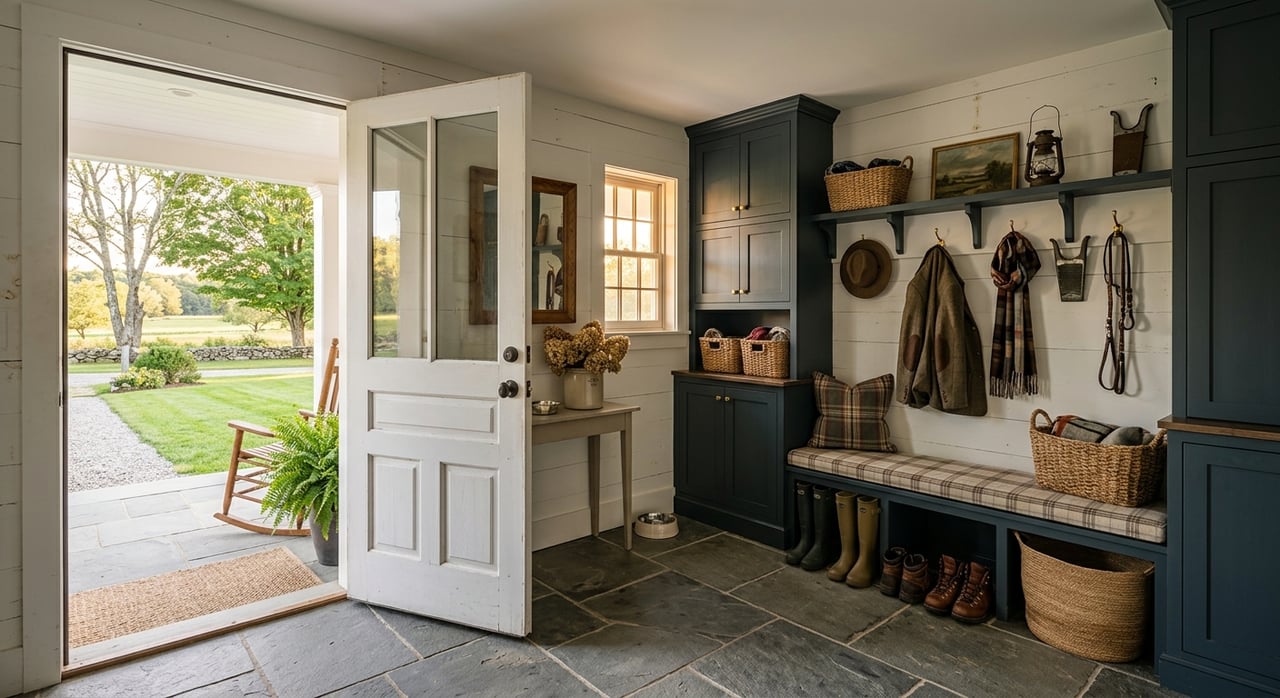
Owning recreational land in Vance County can feel like the best of both worlds until you live hours away and something on the property needs attention. Between access control, road upkeep, guest use, and changing hunting or fishing rules, distance can turn a simple stewardship plan into a stressful guessing game. The good news is that remote ownership can work well when you build the right local systems and focus on the tasks that matter most. If you want your land to stay usable, protected, and aligned with your long-term goals, let’s dive in.
Vance County’s recreational identity is closely tied to John H. Kerr Reservoir, a 50,000-acre reservoir with surrounding lands used for hunting, fishing, camping, hiking, and wildlife watching. That public-use activity can create extra pressure on nearby private tracts, especially when boundaries, road access, or guest rules are not clearly managed. For a remote owner, that means your land usually needs more structure than a typical rural parcel.
North Carolina also notes that much of the state is privately owned, and landowners often manage property with a mix of stewardship, access, and wildlife goals. In Vance County, recreational land is rarely a set-it-and-forget-it asset. If you want the tract to hunt well, stay accessible, and hold value, you need a plan that works even when you are not there.
Before you worry about food plots, gates, or guest weekends, get clear on the basics. Vance County GIS offers an ArcGIS map viewer, downloadable PDF maps, and a Find A Road tool. For a distant owner, those tools are a practical starting point for checking parcel layout, road frontage, and how the tract relates to surrounding roads or nearby public land.
Just as important, keep your records organized with the county offices in Henderson. Planning and Development, Tax Administration, GIS, Extension, and the Sheriff’s Office are all local resources that can help you manage issues between visits. When you own from afar, knowing exactly who to call saves time and reduces mistakes.
The tax office also offers online property tax cards and real estate tax bill search tools. That makes it easier to monitor assessments and bills from a distance. Be sure your mailing address stays current so you do not miss tax notices or ownership updates.
One of the biggest risks for remote landowners is unclear access. In North Carolina, posted private land can be protected with boundary signs or purple paint marks under the Landowner Protection Act. That gives you a clear legal framework for marking boundaries and setting expectations.
The practical rules matter. Signs must be at least 120 square inches and placed no more than 200 yards apart, while purple paint marks must be at least 8 inches long and no more than 100 yards apart. If your goal is controlled access instead of total closure, this spacing gives you a workable baseline for a clean, consistent boundary system.
Hunters, fishers, and trappers on posted land must carry written permission dated within the last 12 months and signed by the landowner, lessee, or agent. They must show it to law enforcement on request. Violations can be charged as a Class 2 misdemeanor.
If you allow friends, relatives, or guests to use the land, written permission should be part of your standard process. A simple verbal invitation is easy to misunderstand months later. Good paperwork helps you manage access, avoid confusion, and keep a record of who has permission and when.
North Carolina guidance also notes that when a landowner allows someone onto the land without charge for recreational purposes, the duty of care is generally the same as that owed to a trespasser. That does not mean you should avoid guest access altogether. It does mean you should use written access agreements and get insurance guidance if you are setting up recurring guest use or a club-style arrangement.
If you only check one thing after heavy rain, make it your roads and drainage. The North Carolina Forest Service advises landowners to keep access road entrances clean, protect roadside ditches, maintain clear sightlines where forest roads meet public roads, and post caution signs for oncoming traffic. New entrances on publicly maintained roads should also conform to NCDOT requirements and may require a permit.
For a remote owner, road problems tend to grow quietly. A small ditch issue can become washouts, erosion, or limited access during hunting season. That is why road checks should be routine, not reactive.
NC State Extension also emphasizes that roads with good drainage, sound construction, and best management practices help reduce erosion and protect water quality. In practical terms, your land should stay passable without creating long-term damage to soils or nearby water features. If a contractor is doing road work, be clear about both access and conservation goals.
If drainage or erosion becomes a recurring issue, the Vance County Soil and Water Conservation District can be an especially useful local contact. The district helps landowners with best management practices, cost-share programs, and natural resource management assistance.
A remote property performs better when everyone working on it understands its purpose. NC State Extension recommends thinking about wildlife objectives before any harvest or major land work. Depending on the tract, that may include retaining mast trees, den trees, and snags.
That guidance matters because many recreational properties try to do several jobs at once. You may want the tract to support hunting, remain attractive for family use, and stay easy to maintain from a distance. A forester, contractor, or land manager can do a better job when your goals are specific.
Ask yourself:
Clear answers help you avoid short-term fixes that work against the long-term use of the land.
Many recreational owners eventually want to add something to the property. It may be a small cabin, a pole barn, a dock, or other improvements that make the land easier to enjoy. In Vance County, the Planning and Inspections Department enforces land use, zoning, subdivision, watershed protection, and flood damage prevention rules.
As of June 1, 2026, zoning and building permits are handled through the GovWell portal, but inspections cannot be scheduled online. That last detail is important for remote owners. If you are building or improving anything, you will likely need a local contractor, forester, or property manager who can be physically present for inspections and follow-up items.
If your tract includes a pond, pause before stocking fish. North Carolina Wildlife Resources Commission guidance says you first need to confirm whether the pond is a private pond or inland public fishing water. The rules are not the same.
Public waters require a stocking permit, while private ponds follow different standards. Grass carp stocking also has limits based on size and number unless a permit is obtained. If you own land near Kerr Lake or any water connection that creates confusion, it is worth verifying status before making changes.
Distance ownership works best when you are not trying to solve every problem yourself. In Vance County, a practical setup is to maintain a short list of trusted local contacts for permitting, taxes, wildlife questions, road work, and property checks. This is often the difference between a well-run tract and a property that slowly becomes harder to use.
A local team can also help you respond faster when something goes wrong. The sheriff is the first call for ordinary trespass, vandalism, or access disputes, while wildlife violations should be reported through NCWRC. Keeping those roles straight can save time when a weekend issue needs quick action.
Most remote owners do better with a set cadence than with occasional drop-ins. Based on Vance County guidance around access, permitting, roads, and habitat, a sensible approach is to verify access and posting before hunting season, inspect roads and ditches after major rain, and review contractor work as soon as it is completed. That schedule helps you catch the most common problems while they are still manageable.
You do not need to be on the property every month to be a good steward. You do need a system that makes inspections, maintenance, and permissions predictable. In rural ownership, consistency usually matters more than frequency.
Hunting and fishing rules change regularly, so never assume last year’s rules still apply. NCWRC’s current inland fishing, hunting, and trapping digest is effective August 1, 2025, and owners and guests should verify season dates, licensing, and species-specific rules before every visit. This is especially important when different guests use the property at different times.
If your tract is close to John H. Kerr Reservoir or Corps-managed land, there is another layer to understand. The Corps says project lands are open to hunting with appropriate state licenses except in developed recreation areas or where otherwise posted, and Virginia or North Carolina fishing licenses are recognized on reservoir waters. If your land borders or sits near those areas, make sure guests know exactly where private boundaries begin and public rules apply.
Remote management is not only about preventing problems. It also protects how the land functions and how it will be viewed if you ever refinance, transfer, or sell. Clean access, clear boundaries, documented permissions, maintained roads, and thoughtful habitat work make a recreational tract easier to understand and easier to market.
That is especially true for buyers who live outside the area. They often place a premium on properties that already have systems in place and a clear stewardship story. When the time comes to make a move, organized land is usually more appealing than land with unanswered questions.
If you are buying, selling, or evaluating recreational land in Vance County, working with a team that understands stewardship and rural logistics can make the process much smoother. To talk through your goals with a land-focused team, connect with Legacy Farms and Ranches.
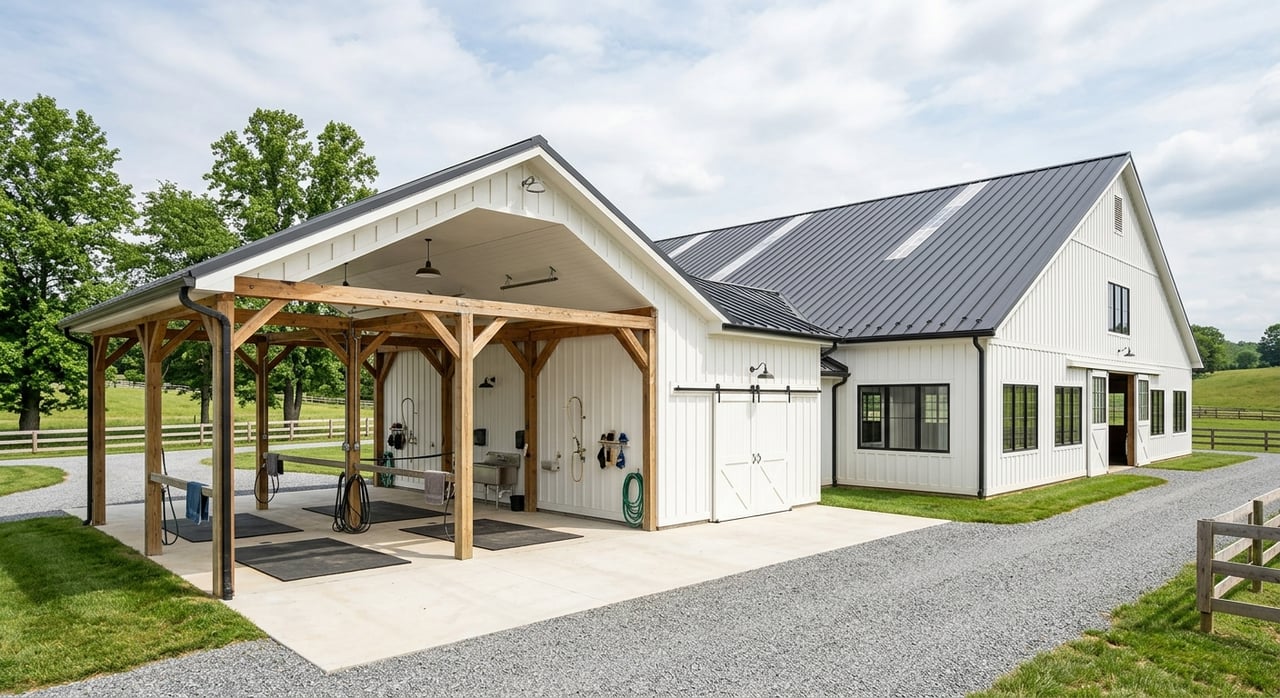
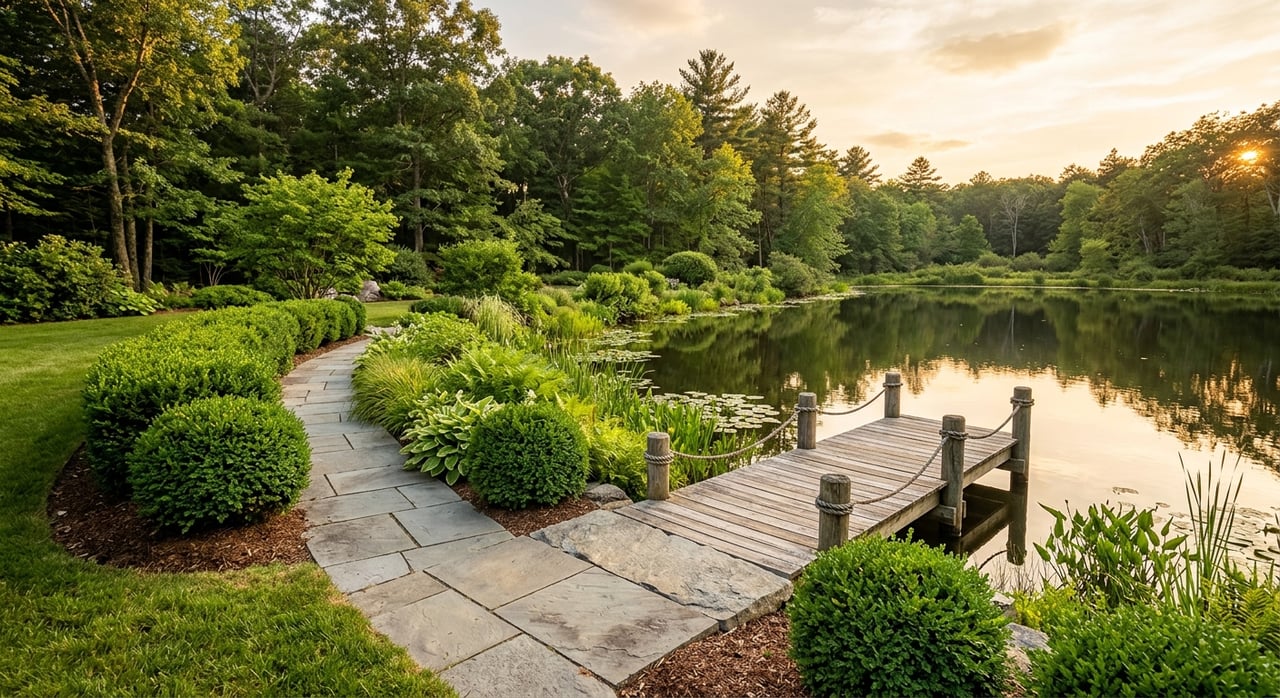
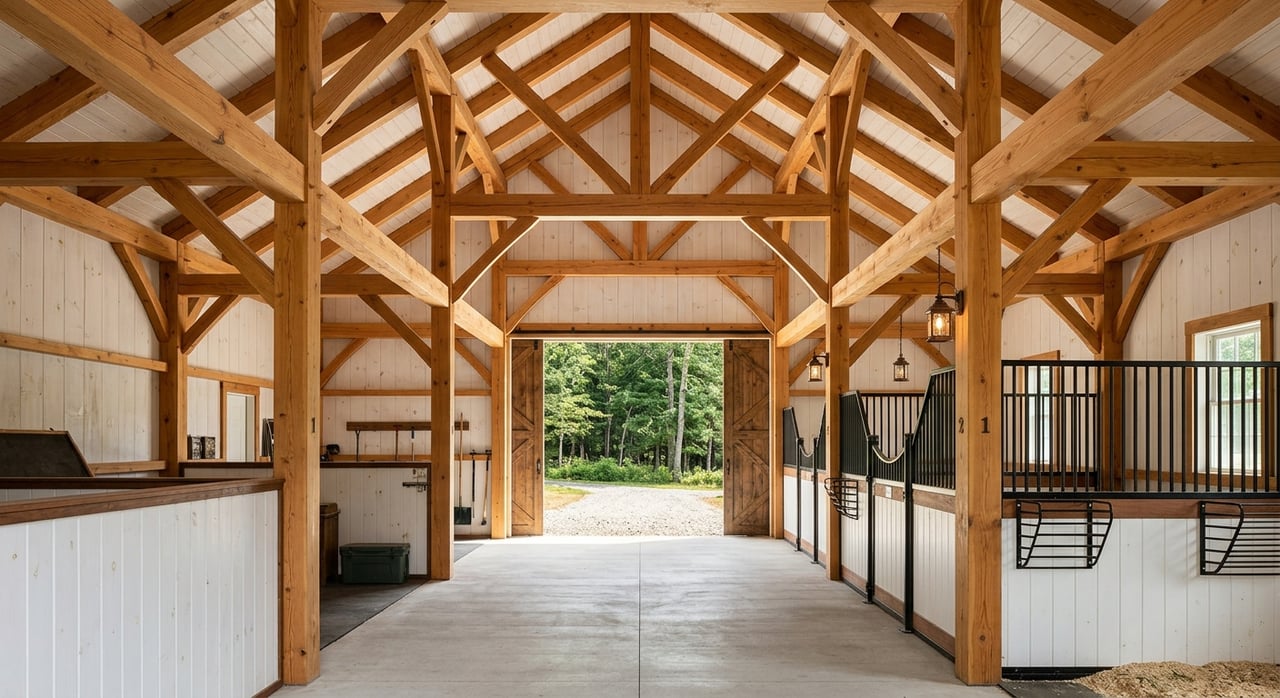
If you have a unique country home, hunting or fishing land, or other premier North Carolina property for sale, call Legacy Farms and Ranches today to learn how they can help you market your property to thousands of discerning viewers across the country.
Get In Touch With Our Team To Learn More About Our Services! Although the disclaimer is below, we will only put you on our Newsletter Mailing List!
Legacy Farms and Ranches of FM Realty
7980 Arco Corporate Dr Ste 105 Raleigh NC 27617