How Growth Is Shaping Rural Land In Chatham County
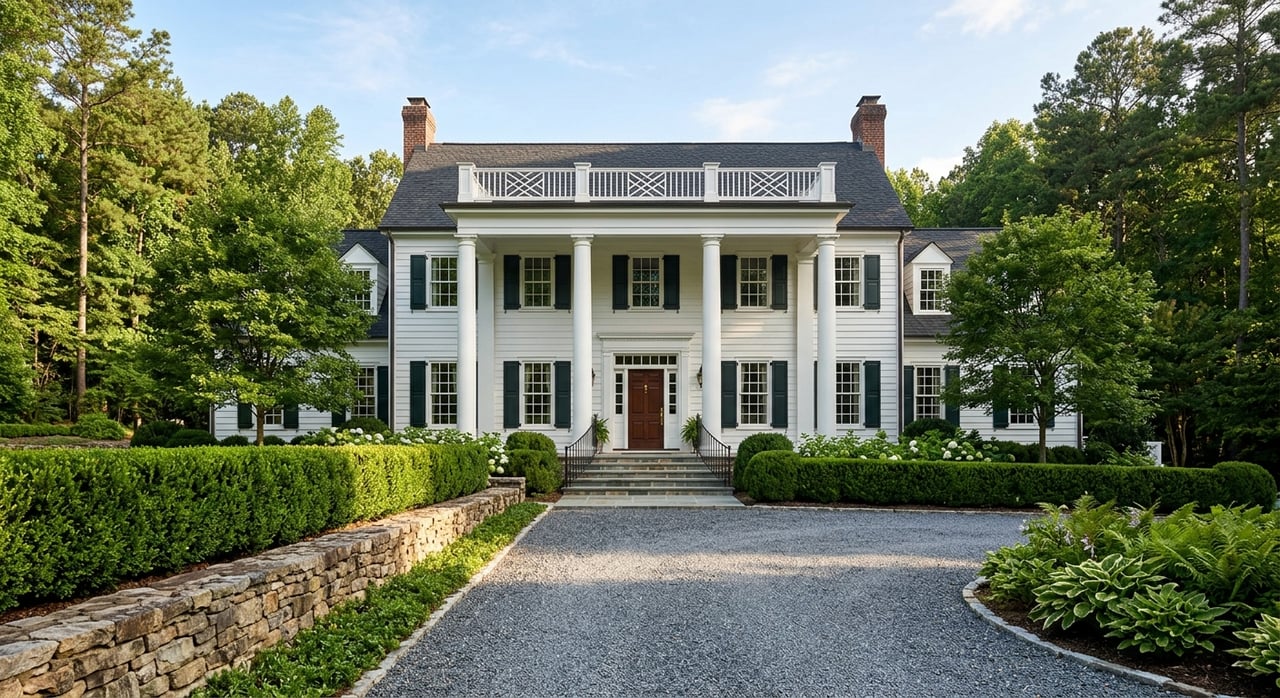
Rural land in Chatham County is not standing still. If you own acreage near Bear Creek, Bonlee, Bennett, Harper’s Crossroads, or the broader 27207 area, you have likely felt the change already through rising interest, shifting buyer goals, and more attention on where growth is headed. This guide will help you understand what is driving that change, what it means for buyers and sellers, and which local factors matter most as you make land decisions. Let’s dive in.
Chatham County has been growing fast enough to reshape how people think about rural land. The U.S. Census Bureau estimates the county population at 85,111 as of July 1, 2025, up from 76,255 in 2020. North Carolina OSBM also shows the county added 6,720 residents from 2020 to 2024, an 8.8% increase.
That kind of growth does more than add rooftops. It changes how buyers value location, access, utility service, commute potential, and future land use around a property. In Chatham County’s FY2025 reporting, officials described this period as a historic wave of growth.
County feedback from residents shows how visible that shift has become. In a 2025 survey, residents named rapid growth and development, infrastructure, traffic, water issues, affordable housing, and preserving green space among their top concerns. For landowners, that means the market is being shaped by both demand and public concern about how growth unfolds.
Even with growth pressure, Chatham County still looks like a county with a real agricultural base. USDA’s 2022 County Profile reports 1,076 farms covering 114,051 acres, with an average farm size of 106 acres. That matters because it shows rural land here is not just scenic backdrop. It remains part of an active working landscape.
The same USDA profile shows that pastureland accounts for 42,505 acres, cropland for 33,799 acres, and woodland for 29,748 acres. Farm sales are heavily tied to livestock, poultry, and related products, which make up 95% of sales. In other words, production agriculture is still a major part of the county’s land story.
At the same time, Chatham’s land pattern also supports smaller ownership models. The county’s 2025 to 2028 Farmland Preservation Blueprint says 44% of farms are 10 to 49 acres, and 33% are 50 to 179 acres, with a median farm size of 49 acres. That size mix helps explain why smaller farms, mini-farms, and lifestyle tracts often attract strong interest alongside larger operational properties.
If you have noticed more demand for smaller tracts, there is a clear reason. Chatham County has a farm-size distribution that leans heavily toward small and mid-sized holdings, and growth pressure is increasing competition for those properties. Buyers looking for a country home, horse property, hobby farm, or manageable acreage are often searching in the same places as working land buyers.
This overlap creates a unique market dynamic. A tract that once appealed mainly to a local operator may now also appeal to a Triangle-area buyer who wants space, privacy, and room for small-scale agricultural or recreational use. That does not erase the land’s farm value, but it can expand the buyer pool.
For sellers, this matters because the story of a property becomes more important. A parcel may need to be positioned not just by acreage, but by access, usability, open land, timber mix, water availability, and how the tract fits today’s buyer goals.
Current listing-market data also shows the pressure on rural land values. A county-level snapshot from Land.com shows a median price per acre of $31,979 in Chatham County. That is a listing-market figure rather than an assessed value, but it gives a useful read on where asking prices are sitting in today’s market.
Local planning documents connect that price pressure directly to growth. The Farmland Preservation Blueprint says residential and industrial growth since 2009 has created both threats and opportunities, and interviewees reported that development is driving up land prices and making it harder for farmers to expand. For buyers, that can mean acting with better preparation. For owners, it can mean reevaluating timing, strategy, and long-term goals.
One of the most important things to understand in Chatham County is that the land-use framework is in a transition period. The county adopted its Unified Development Ordinance, or UDO, on November 18, 2024, but later moved the effective date to June 1, 2027. Until then, the county says the pre-UDO land-use regulations remain in effect.
That timing matters for anyone buying, selling, or holding rural land. The county’s long-range planning goals include preserving rural character and agricultural areas, promoting compact growth, and increasing access to open space. But for now, current regulations still govern how land is evaluated.
If you are looking at a tract with future plans in mind, this is not a detail to gloss over. The exact timing of your purchase, sale, or land transition can shape how buyers view opportunity and risk.
In rural markets, utility planning often matters just as much as location. Chatham County says its water utility operates three subsystems, and the Southwest system serves Siler City, Bear Creek, Bonlee, Bennett, and Harper’s Crossroads. For properties in and around 27207, that makes water infrastructure part of the value discussion.
The county also says plans are underway to connect the Asbury system to Jordan Lake. In addition, Chatham County, Durham, Pittsboro, and OWASA have outlined a regional water treatment facility through the Western Intake Partnership, with initial capacity of about 20 million gallons per day and about 16 miles of finished-water transmission pipelines.
For landowners and buyers, the takeaway is simple. Water planning helps shape where future intensity is more likely to happen, and where demand may strengthen over time. It is one more reason rural land decisions in Chatham now require a more local, property-specific lens.
Not every growth factor is dramatic, but many are practical. Road improvements and broadband access can change how buyers judge a rural property for full-time living, weekend use, or long-term hold. In February 2025, Chatham County launched a Broadband Access and Digital Inclusion Hub to support broadband expansion and digital inclusion efforts.
NCDOT also announced in February 2026 that more than 40 miles of roadway would be resurfaced across the county, including N.C. 902 and U.S. 64 Business, with work allowed through September 2027. For buyers, these kinds of improvements can affect travel comfort, day-to-day convenience, and how realistic a rural commute feels. For sellers, they can strengthen the practical appeal of a property when marketed well.
Countywide growth is also being influenced by large employment and mixed-use projects. Chatham County’s FY2025 State of the County report says Apex Gateway Park completed six buildings totaling more than 1 million square feet. The same report notes that Disney broke ground on Asteria, a 200-acre mixed-use project.
In southeastern Chatham, Plan Moncure ties local planning to the 2022 VinFast announcement for the TIP East megasite. Even when a property is far from one of these projects, large-scale investment can change how buyers think about the county as a whole. It can raise visibility, attract new interest, and shift expectations about future growth patterns.
If you own rural land in Chatham County, the biggest watch items are not just price per acre. You also need to watch planning timelines, infrastructure, and your own transition goals. In many cases, the best sale timing depends on more than market demand alone.
The Farmland Preservation Blueprint found that 60% of surveyed producers plan to transfer their farm to family members, but 65% still need a farm transition plan. That is a major insight for local owners. For many families, the central question is not whether the land has value. It is how and when to transfer, divide, preserve, or sell it.
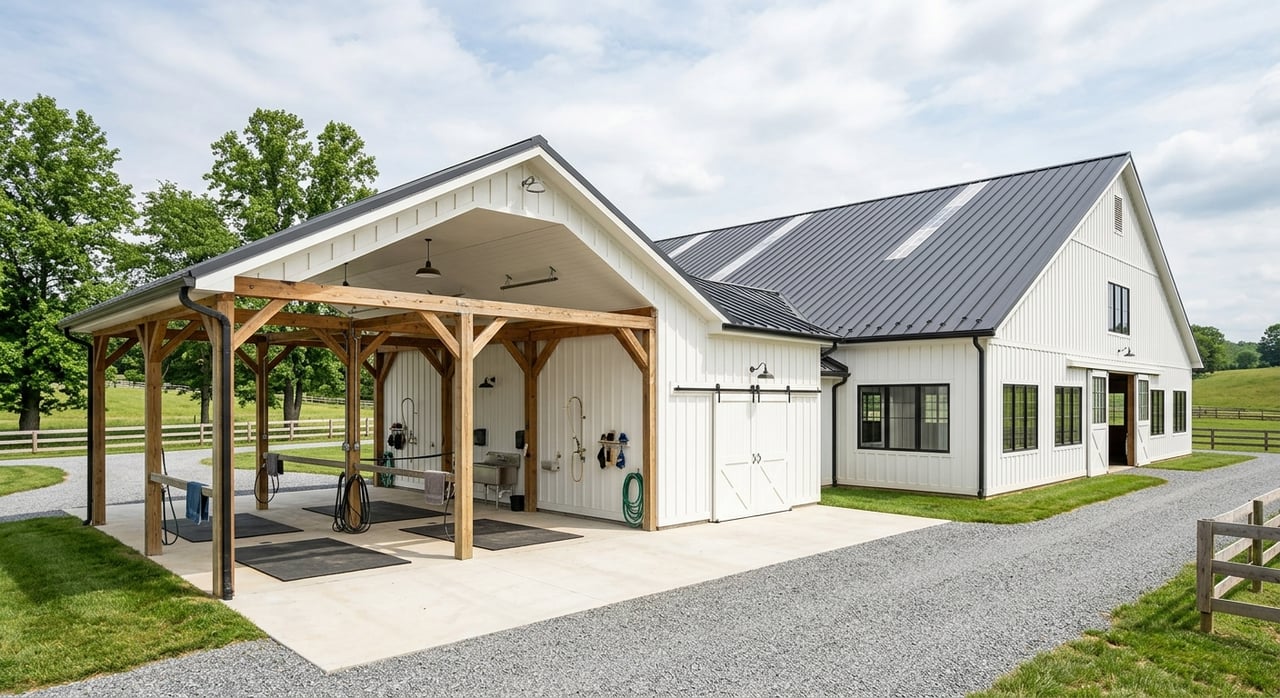
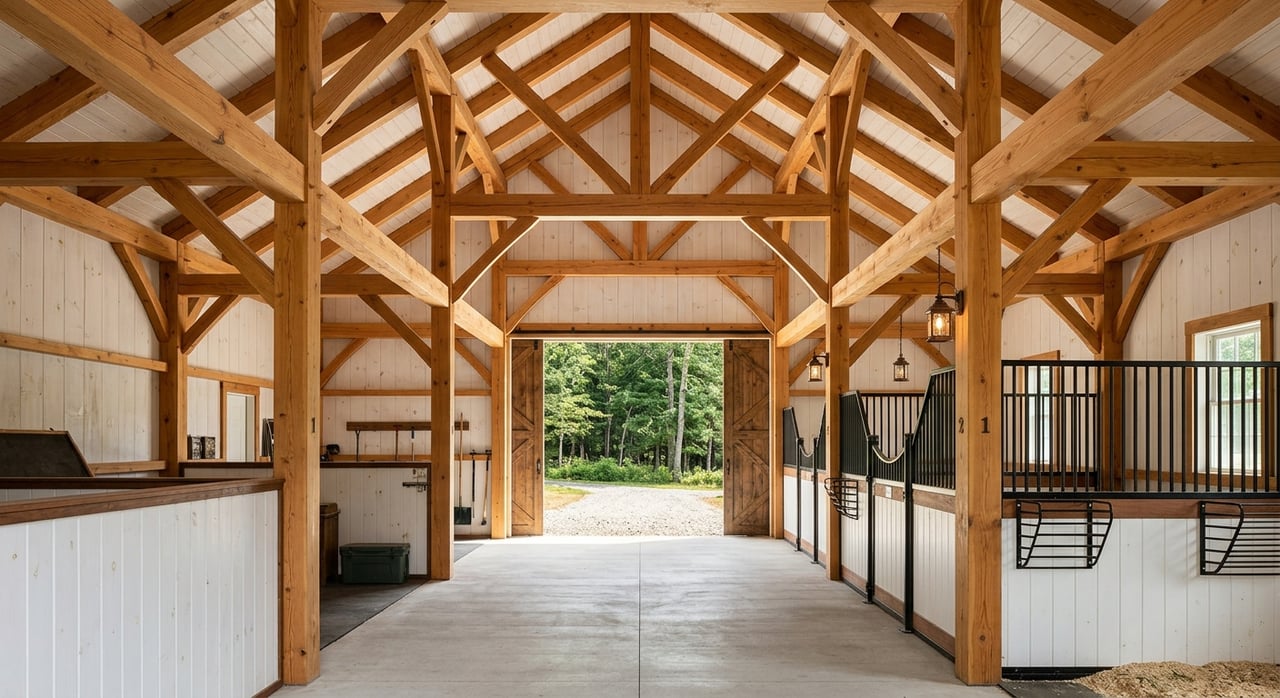
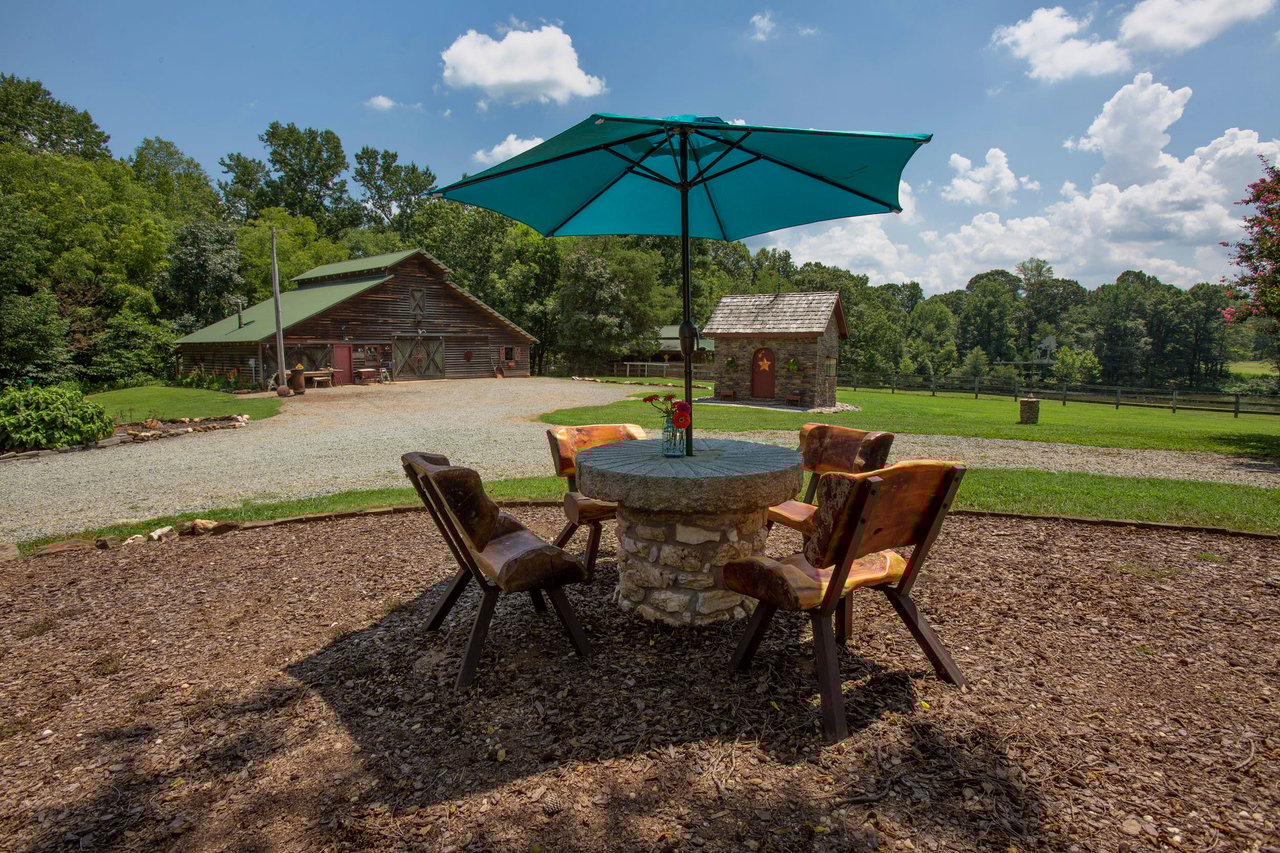
That is especially true for properties with barns, fencing, timber, pasture, livestock infrastructure, or multiple possible uses. These assets often need more than a standard listing approach. They benefit from a clear market story, thoughtful preparation, and practical support through the process.
If you are buying rural land in Chatham County, it helps to think beyond the listing sheet. Growth is making some tracts more competitive, but not all acreage is equal. Access, road frontage, topography, open-to-wooded balance, nearby infrastructure, and current land-use rules can all shape what a property is truly worth to you.
It also helps to understand the county’s broader direction. Chatham remains rural, but it is increasingly influenced by commuting patterns, amenity demand, and infrastructure investment. The county’s median household income is $94,317, and the average commute time is 28.4 minutes, which supports the idea that many buyers are balancing rural space with regional connectivity.
That makes careful due diligence essential. A property that looks similar on paper may function very differently depending on where it sits in relation to water service, roads, and future planning patterns.
Even as demand grows, county policy continues to emphasize protecting agricultural and forest land. The Farmland Preservation Blueprint includes recommendations for sustained funding, stronger Voluntary Agricultural District tools, estate and farm transition education, and a strategic farmland preservation map. That tells you preservation is not a side topic in Chatham County. It is part of the long-term planning conversation.
The county also cites a cost-of-community-services analysis showing that residential land was estimated to cost $1.18 in public services for every $1 of revenue, while agricultural and forestland cost $0.35. That helps explain why local planning documents repeatedly support working lands. For buyers and sellers alike, it is a reminder that rural land value in Chatham is tied to both market demand and public policy.
In a market like Chatham County, rural land is no longer simple to price or position. A small farm, timber tract, recreational parcel, or country homesite may attract very different buyers depending on where it sits and how the property is presented. Growth has widened the audience, but it has also made strategy more important.
That is where specialized land experience can make a real difference. When you are evaluating a sale, planning a transition, or searching for the right acreage, you need more than general market advice. You need a grounded read on land use, buyer psychology, infrastructure, and how to tell the story of a complex rural asset.
If you are thinking about buying or selling acreage in Chatham County, Legacy Farms and Ranches can help you navigate the market with specialist insight, thoughtful preparation, and hands-on support.
If you have a unique country home, hunting or fishing land, or other premier North Carolina property for sale, call Legacy Farms and Ranches today to learn how they can help you market your property to thousands of discerning viewers across the country.
Get In Touch With Our Team To Learn More About Our Services! Although the disclaimer is below, we will only put you on our Newsletter Mailing List!
Legacy Farms and Ranches of FM Realty
7980 Arco Corporate Dr Ste 105 Raleigh NC 27617