Starting A Small Farm On Franklin County Acreage
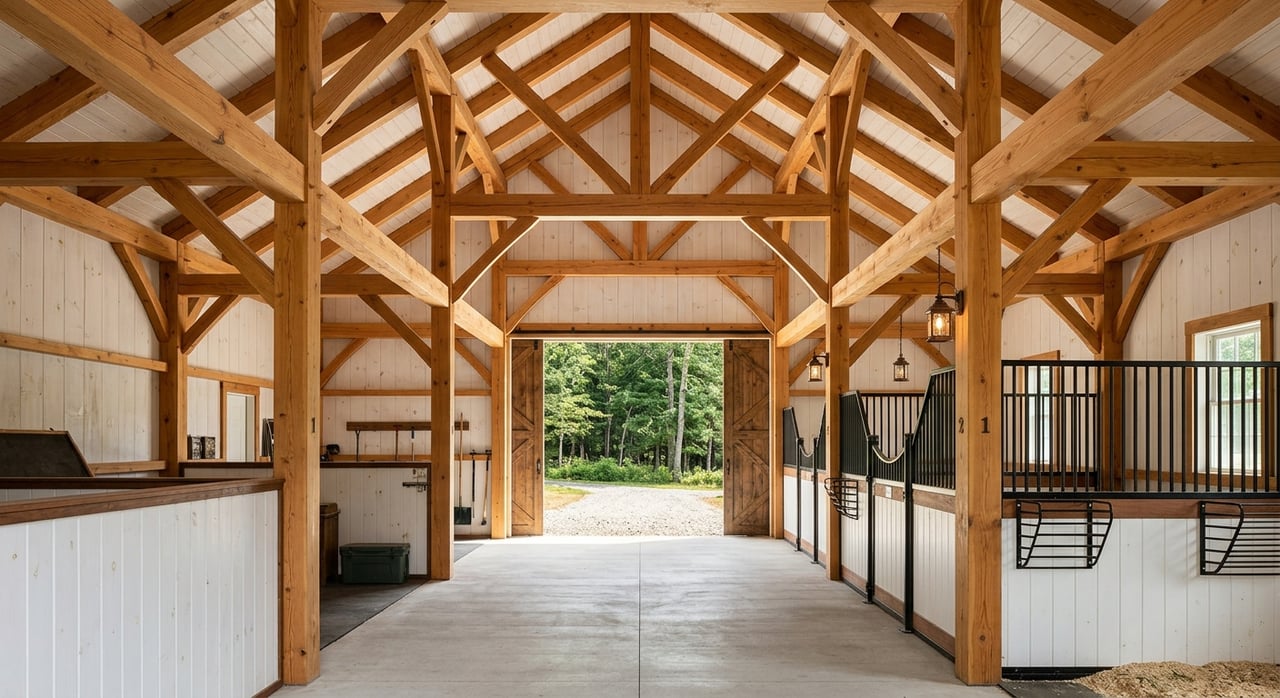
Dreaming about a few horses, a garden, or a working hobby farm in Franklin County? The idea is exciting, but raw acreage can surprise you if you skip the basics. Before you price barns, fencing, or equipment, it helps to understand what the land can support, what the county requires, and how to build in smart phases. Let’s dive in.
When you buy Franklin County acreage, the land itself should guide your farm plan. A beautiful field or wooded tract may look ready to go, but drainage, slope, and soil limits can change where you place pasture, gardens, lanes, barns, and a future homesite.
A practical first step is reviewing the parcel with the USDA NRCS Web Soil Survey. The tool can help you screen for drainage and site limitations and generate reports for a specific property. That gives you a better foundation before you spend money on fencing, grading, or building pads.
Soil testing should also happen early. NCDA Agronomic Services measures fertility and pH, which can help you avoid guessing on lime or fertilizer. In 2026, soil testing is free from April 1 through November 30, then costs $5 per sample beginning December 1.
Your planting schedule matters on a small farm, even if you are starting modestly. Franklin County’s county-level frost chart shows an average last spring frost of April 13 and an average first fall frost of October 24.
That gives you a fairly long warm season, but not an unlimited one. If you are planning hay, vegetables, berries, pasture establishment, or forage renovation, it makes sense to time spring planting and fall finishing conservatively. For site-specific decisions, use the station closest to your parcel when possible.
One of the biggest mistakes first-time land buyers make is assuming farm use means no approvals are needed. In Franklin County, the process is usually a sequence of local reviews rather than one blanket farm permit.
Franklin County uses an online permit portal for zoning permits, building permits, plumbing, electrical, mechanical permits, septic and well applications, and pool permits. The county also states that a zoning permit is required before you apply for a new septic or septic recheck permit. Site plans need to show setbacks and structure dimensions.
If you are planning a home, barn, shed, workshop, or utility-backed structure, it is wise to confirm the order of approvals before you finalize your layout. That can save time and help you avoid placing improvements where setbacks, buffers, or site conditions create problems.
Franklin County’s bona fide farm affidavit is an important document for rural property owners. It connects farm-use zoning questions to county and state rules and clarifies that some exemptions are limited.
The affidavit notes that electrical systems are never exempt from North Carolina Building Code requirements. It also states that structures must be outside riparian buffers, and any structure in a floodplain requires a Floodplain Development Permit. Those details matter if you are picturing a quick barn build or utility installation on vacant acreage.
If you are buying acreage with the goal of active agricultural use, present-use value rules may matter to your long-term ownership costs. Franklin County states that agricultural land must have at least 10 acres actively engaged in commercial production under a sound management program.
For horticultural land, the minimum is 5 acres. For forestry, the minimum is 20 acres plus a written forest management plan. Each category also has income or management requirements, so it is worth verifying how your intended use fits before you assume a tax benefit will apply.
Access can shape the entire farm layout. If your driveway or entrance will connect to a state-maintained road, NCDOT driveway and access rules may apply.
That is worth checking before you decide where to place a house, barn, paddock, or gate entrance. On rural parcels, access constraints can affect sight lines, grading, and the most practical route for trailers, equipment, or delivery vehicles.
For most small farms, the smartest buildout is not the fastest or biggest one. A phased approach usually works better because it lets you test how the land functions before you lock in expensive permanent improvements.
The first priorities are often:
This approach fits what Franklin County and NCDA support through conservation and water-quality practices. Examples can include livestock exclusion fencing, heavy-use area protection, stream crossings, nutrient management, and grassed waterways.
If your small farm will need a private well, septic system, or both, bring that into your planning early. Franklin County Environmental Health handles site evaluation, permitting, and inspection services for these systems.
The county says new applications are submitted through the portal, require a site plan, and the site must be prepared before evaluation. On raw acreage, well and septic placement can influence where you place a home, barn, drive, garden, and pasture gates, so this is not a detail to leave until the end.
Some buyers hope grants will cover most startup costs. In practice, that is usually not how a new small farm comes together.
NCDA’s Small Farms FAQ notes there is no dedicated startup money program for farming beyond loans, and startup grants are rare. The Agriculture Cost Share Program can help with approved best-management practices, but it is generally aimed at landowners or renters operating a bona fide farm for more than three years, with reimbursement of up to 75% of a predetermined average cost for approved practices.
For many new owners, that means cost-share may be more useful for later upgrades and conservation work than for every early startup expense. It is a good tool, but not a substitute for a realistic first-year budget.
You do not have to figure it all out alone. Franklin County has a clear network of local offices that can help you move from idea to workable plan.
The N.C. Cooperative Extension Franklin County Center is located at 103 S Bickett Blvd, Louisburg, NC 27549, and can be reached at (919) 496-3344. The county page lists agriculture staff and links to farm planning resources, farmland preservation and VAD information, and other local agriculture tools.
The Franklin County Soil & Water Conservation District is located at 101-B South Bickett Boulevard, Louisburg, NC 27549, and can be reached at (919) 496-3137 ext. 3. The district says technical assistance is available at no cost, which makes it a practical early contact for drainage, erosion, fencing, and conservation planning questions.
Franklin County Planning & Inspections is located at 127 S Bickett Blvd, Louisburg, NC 27549. Planning can be reached at (919) 496-2909, and Inspections at (919) 496-2281.
This is the office to contact for zoning questions, building permits, and site-related approvals. If you are comparing several parcels, these conversations can help you understand which tract may be easier to develop for your intended use.
Franklin County Environmental Health handles on-site water protection services, including well and septic site evaluations, permits, and repair permits. If your parcel will need private systems, this office should be part of your early due diligence.
Starting a small farm in Franklin County does not mean you need to do everything at once. In most cases, the best path is to match your goals to the land, verify zoning and access, confirm well and septic feasibility if needed, and build only the infrastructure your operation truly needs now.
That kind of planning protects your budget and gives your acreage room to evolve. Whether you are imagining a few animals, a produce garden, hay ground, or a long-term country lifestyle, the right parcel is the one that supports your next step without creating avoidable headaches.
If you are weighing acreage options in Franklin County or trying to judge whether a parcel fits a small farm plan, the land specialists at Legacy Farms and Ranches can help you look at the property through a practical rural lens.
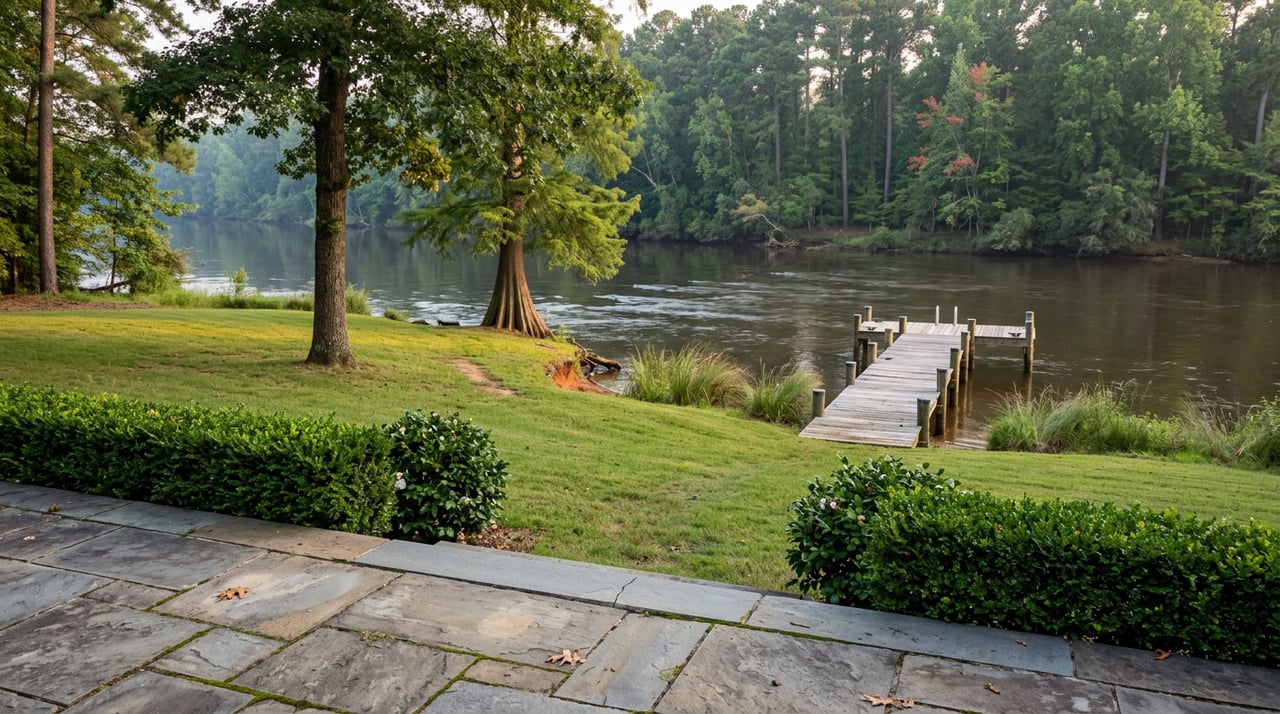
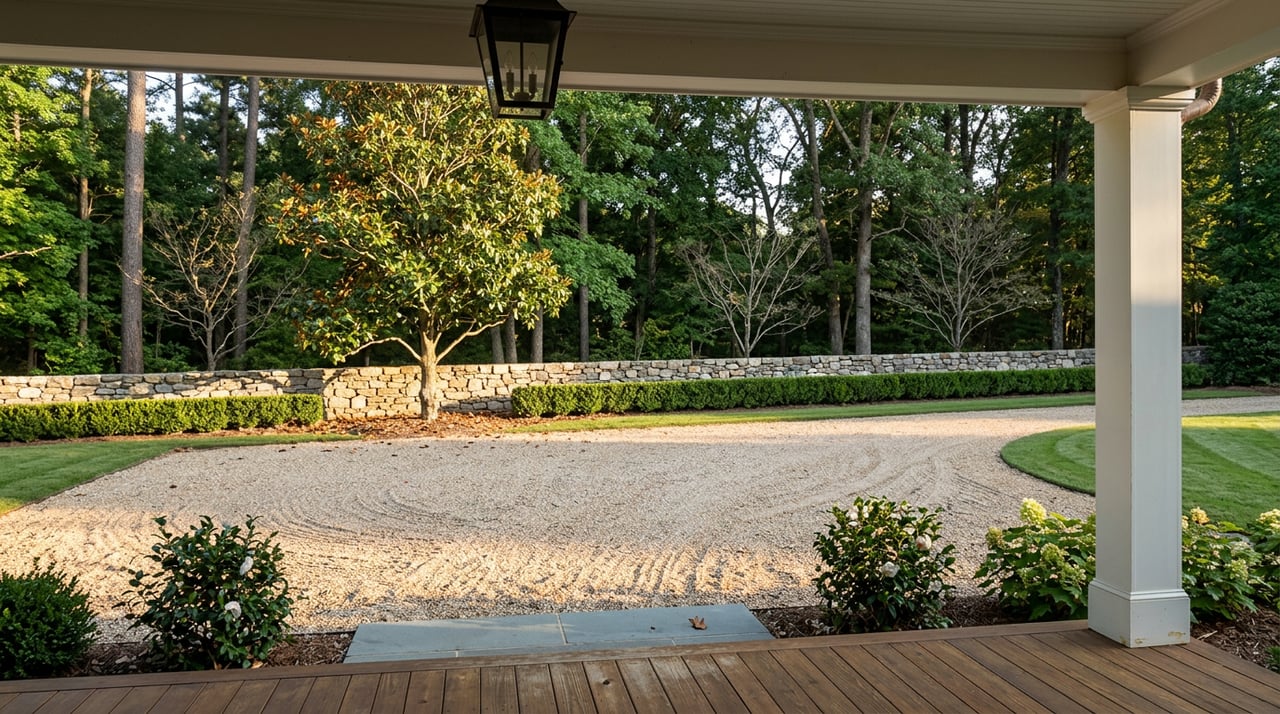
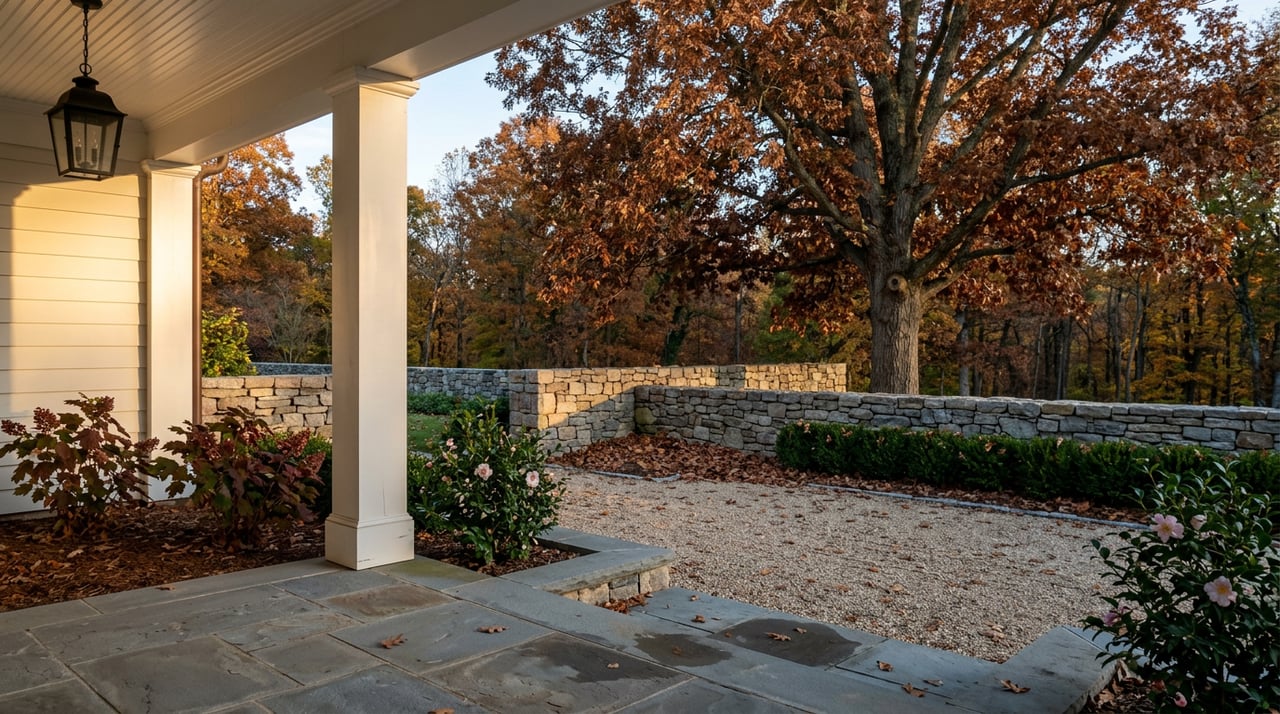
If you have a unique country home, hunting or fishing land, or other premier North Carolina property for sale, call Legacy Farms and Ranches today to learn how they can help you market your property to thousands of discerning viewers across the country.
Get In Touch With Our Team To Learn More About Our Services! Although the disclaimer is below, we will only put you on our Newsletter Mailing List!
Legacy Farms and Ranches of FM Realty
7980 Arco Corporate Dr Ste 105 Raleigh NC 27617