Should You Subdivide Your Franklin County Acreage?
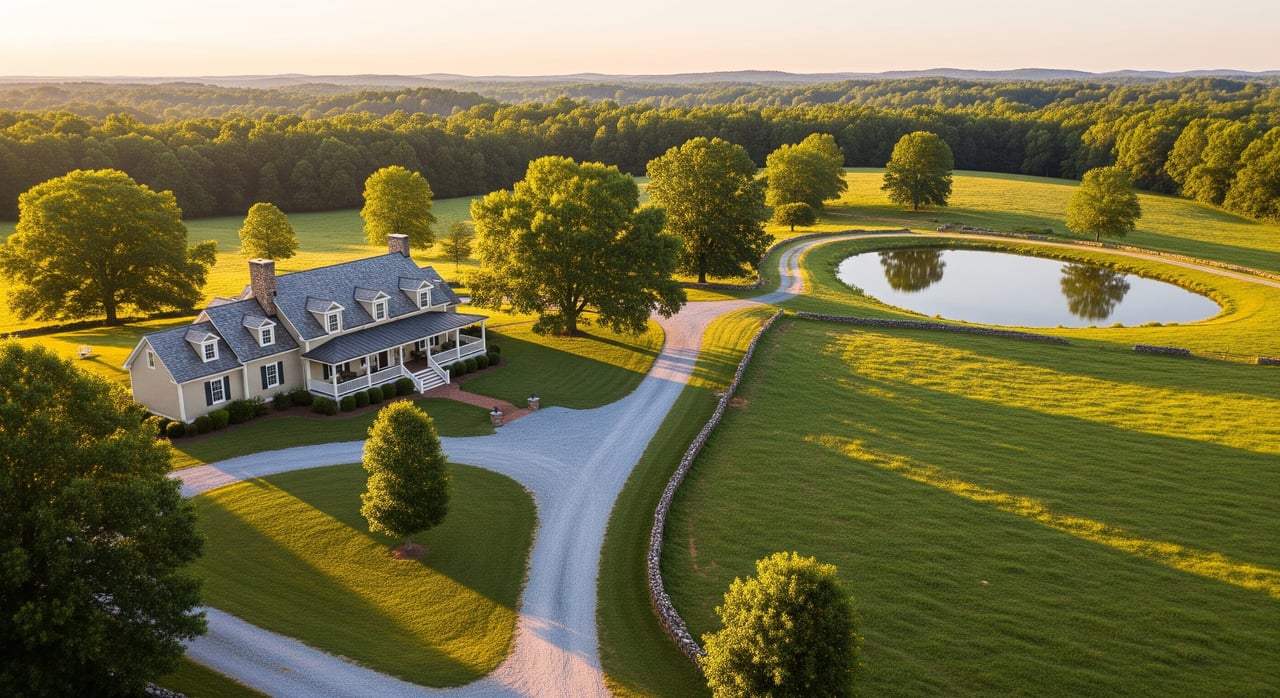
Could dividing your Franklin County acreage unlock more value, or add risk and delay? If you own land in the 27508 area, you want clear answers before you spend on surveys, soils work, or road plans. This guide walks you through what actually drives feasibility, cost, and timing in Franklin County so you can make a confident decision. Let’s dive in.
Subdivision in Franklin County follows North Carolina law and county ordinances. County Planning & Inspections reviews plats and classifies projects as minor or major. The county environmental health office evaluates septic feasibility, which often determines practical minimum lot size. State agencies may also weigh in depending on access, soil disturbance, and streams or wetlands.
If your property sits inside a town’s jurisdiction, that town’s rules can apply in addition to county rules. Always confirm jurisdiction and which subdivision ordinance governs your land at the start.
For most rural tracts in 27508, septic suitability is the single biggest gatekeeper. Soil type, depth to water table or rock, and room for a drainfield plus repair area set how small you can go. If one or more proposed lots cannot support onsite wastewater, you may need public sewer or a new layout. Without septic approval or a clear path to it, lots are hard to finance and sell.
Each lot must have legal, buildable access that meets county frontage standards and sight-distance needs. If your access ties into a state-maintained road, you will need an NCDOT driveway permit. Creating a private road can work, but you will likely need to build to specified standards and record a road maintenance agreement.
Franklin County Planning & Inspections applies the county subdivision ordinance to classify and review your split. You will typically submit a boundary survey, a preliminary plat showing lots, access, easements, and any covenants, and then a final plat for recording at the Register of Deeds. Major subdivisions that add roads or utilities have more steps and may take longer to review.
The county environmental health office reviews septic on a lot-by-lot basis. Site and soil evaluations are used to confirm feasibility and to size systems. If public water is not available, drilled wells must meet separation and setback standards from septic fields and property lines, which can influence lot layout.
Expect line items for survey and plat work, a civil engineer or land planner for layout and stormwater if needed, and a soils scientist or septic designer. Add county review and septic permit fees, NCDOT driveway permits if applicable, and possible NCDEQ permits. If you plan new roads or utility extensions, budget for construction, erosion control, drainage, and any surety the county requires. Carrying costs like taxes, insurance, interest, and maintenance continue while you build and market lots.
Subdivision can increase your total sale proceeds if smaller lots sell for a higher price per acre than the parent tract. That outcome depends on local demand, the availability of financing for land buyers, and whether you deliver lots with approvals and access. Lots that are platted with septic approvals and legal access typically reach a wider buyer pool and are easier to finance than raw, unapproved acreage.
Creating new parcels can trigger reassessment at market value, which may raise property taxes. If your land is in a Present-Use Value program for agriculture or forestry, splitting off parcels can affect eligibility or trigger a recapture of deferred taxes. Check with the Franklin County Tax Office before you record a plat.
FEMA floodplains, riparian buffers, and wetlands can reduce or shift buildable areas. Floodplain development often requires elevation certificates and can increase costs. A wetlands review can prevent surprises at plat time.
Existing utility corridors, conservation or access easements, and mineral rights can limit lot placement. Confirm recorded encumbrances early so you design around them rather than redraw later.
Minor subdivisions usually involve a small number of lots and existing road frontage, which can move faster and cost less. Major subdivisions typically add roads or utilities and trigger fuller plan review, environmental permits, and longer timelines. County staff can tell you which track your concept falls into and what the submittal checklist requires.
Before you commit significant funds, confirm demand for the lot sizes you plan to create in the 27508 area and across Franklin County. Also check lender appetite for raw versus improved lots. If your target buyers need financing, delivering platted lots with septic approvals and legal access can make a big difference.
Early calls save time and money. Start with Franklin County Planning & Inspections and the Environmental Health office to confirm rules and septic policy. If you intend to access a state road, contact the local NCDOT office for driveway spacing and permit guidance.
Ready to weigh your options in 27508 with a clear, local plan? Our land-focused team helps owners align feasibility, market demand, and presentation so every acre works harder for you. Start a conversation with Legacy Farms and Ranches to explore your best path.
If you have a unique country home, hunting or fishing land, or other premier North Carolina property for sale, call Legacy Farms and Ranches today to learn how they can help you market your property to thousands of discerning viewers across the country.
Get In Touch With Our Team To Learn More About Our Services! Although the disclaimer is below, we will only put you on our Newsletter Mailing List!
Legacy Farms and Ranches of FM Realty
7980 Arco Corporate Dr Ste 105 Raleigh NC 27617