Timberland Investment Basics In Granville County
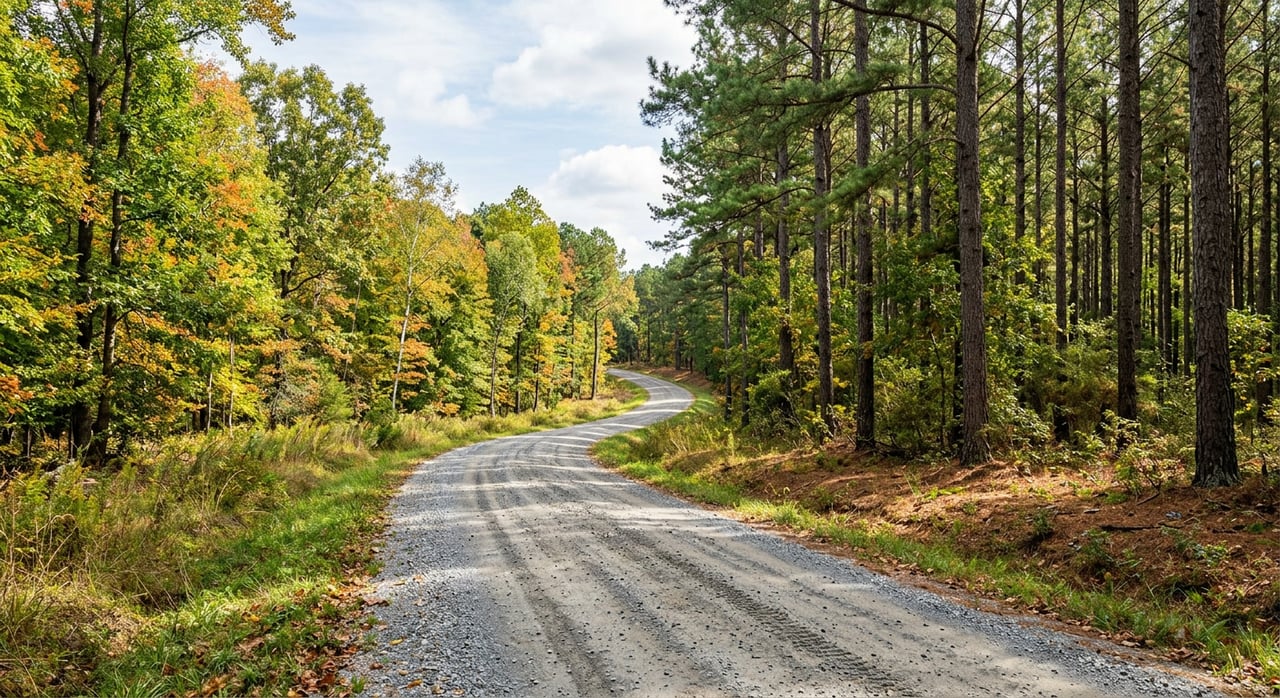
Thinking about buying timberland near Creedmoor in 27522? If you want trees that pay and a place to play, you need a simple, local game plan. Granville County’s working forests are a major part of the economy, and well-chosen tracts can blend long-term timber growth with steady recreational income. In this guide, you’ll learn how to read species and soils, check access, understand harvest timelines, value timber, and use tax tools that matter in Granville County. Let’s dive in.
Granville County is a true timber county. The NC State Extension county factsheet reports about 213,262 acres of privately owned timberland here, with an estimated $6.2 million in annual stumpage value and a broader forest-sector contribution near $160 million that supports local jobs. You can scan the full county snapshot in the Granville Forestry Contributions factsheet.
For buyers focused on Creedmoor and the 27522 area, the same fundamentals apply across much of the Piedmont. If you balance species, soils, and access with realistic harvest timing, you can position a tract for both near-term enjoyment and long-term returns.
On most production-oriented sites in Granville County, loblolly pine is the primary managed softwood. You will also see a mix of Piedmont hardwoods that often includes multiple oak species, hickory, yellow-poplar, sweetgum, and red maple. These species groups show up in timber cruises and drive how foresters classify product classes, from pulpwood to sawtimber.
The softwood-hardwood mix on a tract affects both the timeline and the markets you will use. Managed pine stands often have clearer thinning and harvest windows, while hardwood sawtimber typically takes longer to reach premium sizes.
Soils and slope do a lot of the talking for timber growth in the Piedmont. Granville County features Ultisol soils common to the region, including series like Cecil, which influence drainage, rooting depth, and road construction needs. Use the NRCS Web Soil Survey and the county soil survey to check soils for any parcel you are considering. The county’s technical reference is available through the NRCS Granville soils document.
Foresters describe a site’s productive potential using site index, a number that relates expected tree height at a reference age. Higher site index usually means faster growth and shorter rotations. Wet flats, very shallow soils, or steep slopes can reduce productivity and raise road and logging costs.
Good access turns timber into dollars. Before you buy, walk the tract with access in mind and compare what you see with best-practice guidance from the N.C. Forest Service. Start with this quick checklist:
Pine rotations are flexible, but there are reliable ranges for the Piedmont. NC State Extension notes that a first commercial thinning in loblolly pine often occurs around 10 to 18 years, once pulpwood-sized material is merchantable. A second entry or a chip-and-saw harvest may fall near 18 to 25 years on many sites. A final sawtimber harvest is commonly planned in the 25 to 40 year range, depending on your site index, management intensity, and market goals. Review timing concepts in NC State’s overview on cutting at financial maturity.
Hardwood sawtimber usually runs longer. If your goal is larger-diameter oak or poplar sawlogs, plan on additional time and attention to stand structure and regeneration.
Your standing timber, or stumpage, is valued by product class, volume, and local prices, minus the costs to harvest and haul. A consulting forester will estimate volumes by product class during a cruise and help you translate those tons or board feet into a dollar value.
Key drivers include:
For buyers evaluating immature stands, NC State’s notes on valuing immature forest stands explain how to project growth and discount future harvests to present value. The right approach is local: use a professional cruise and current prices to ground your decisions.
Many Granville County buyers like the idea of steady recreational income while the timber grows. Regional studies of the Southeast suggest hunting-lease rates often range from about $8 to $18 per acre per year, with medians near $10 to $15 per acre in sample surveys. Actual rates vary widely by size, habitat, access, and improvements. For context, review a regional analysis of lease markets in the Southeast here, then check local comps.
To improve lease appeal, maintain good access, clear parking, and basic habitat enhancements like small food plots or blinds. Document rules, insurance, and gates to keep things orderly.
North Carolina offers two programs that can affect your tax bill:
Use this fast checklist to size up any timber tract in 27522 and surrounding Granville County:
Your best early calls are local. Contact the N.C. Forest Service Granville County office for county-specific guidance, BMP questions, and lists of consulting foresters and timber buyers. You can find the county ranger contact information here. Pair that with the NC State Extension Granville County forestry factsheet for a quick economic snapshot and mill-market orientation, and use the NRCS Web Soil Survey for parcel-level soils.
If you are weighing a purchase, engage a consulting forester for a cruise and timeline, request written price offers before you commit to terms, and consult your tax advisor on PUV or timber tax treatment. These steps will put your Granville County investment on firm footing from day one.
Ready to evaluate a specific tract or assemble a shortlist that fits your goals? Our land-specialist team can help you frame the timber story, understand soils and access, and plan next steps with the right local pros. Connect with Legacy Farms and Ranches to get started.
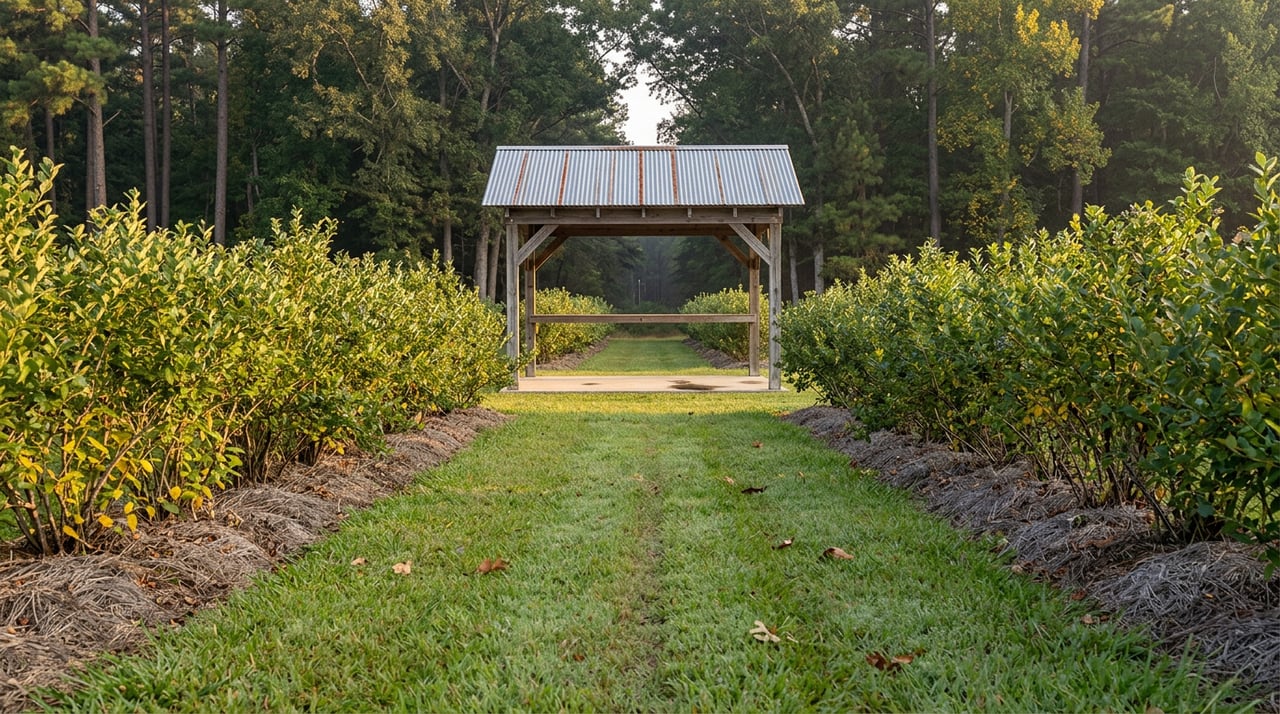
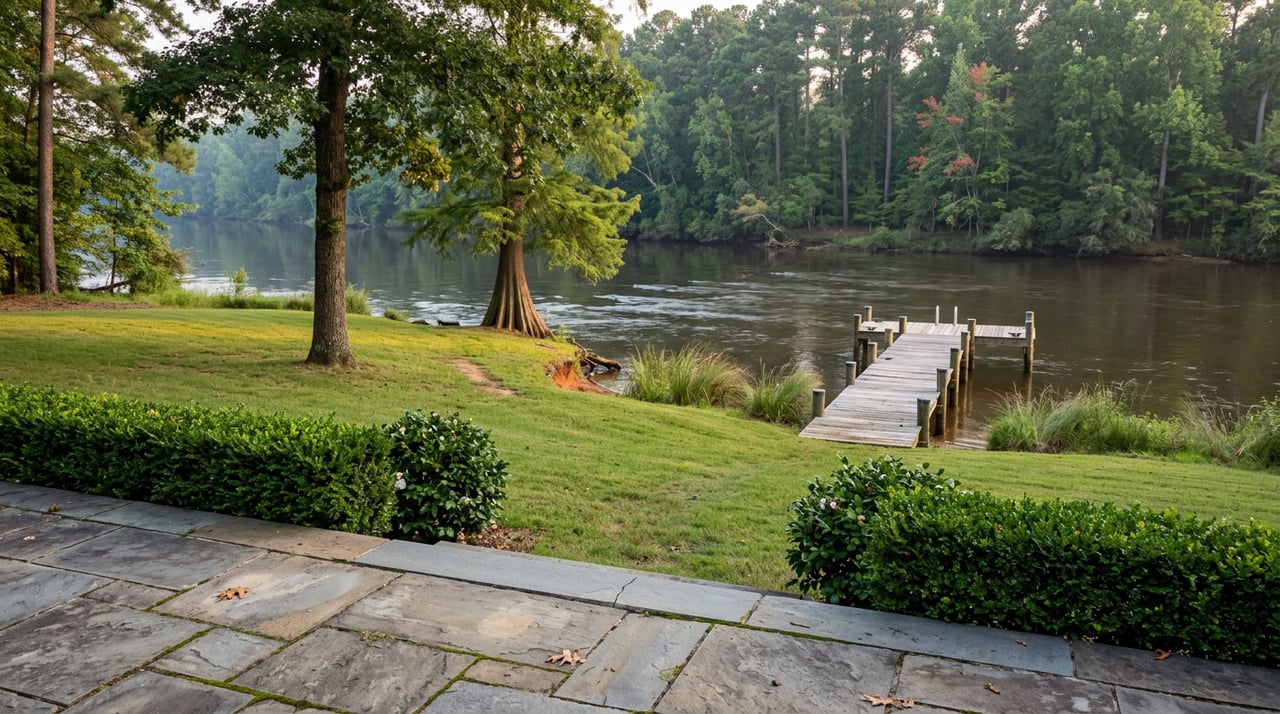
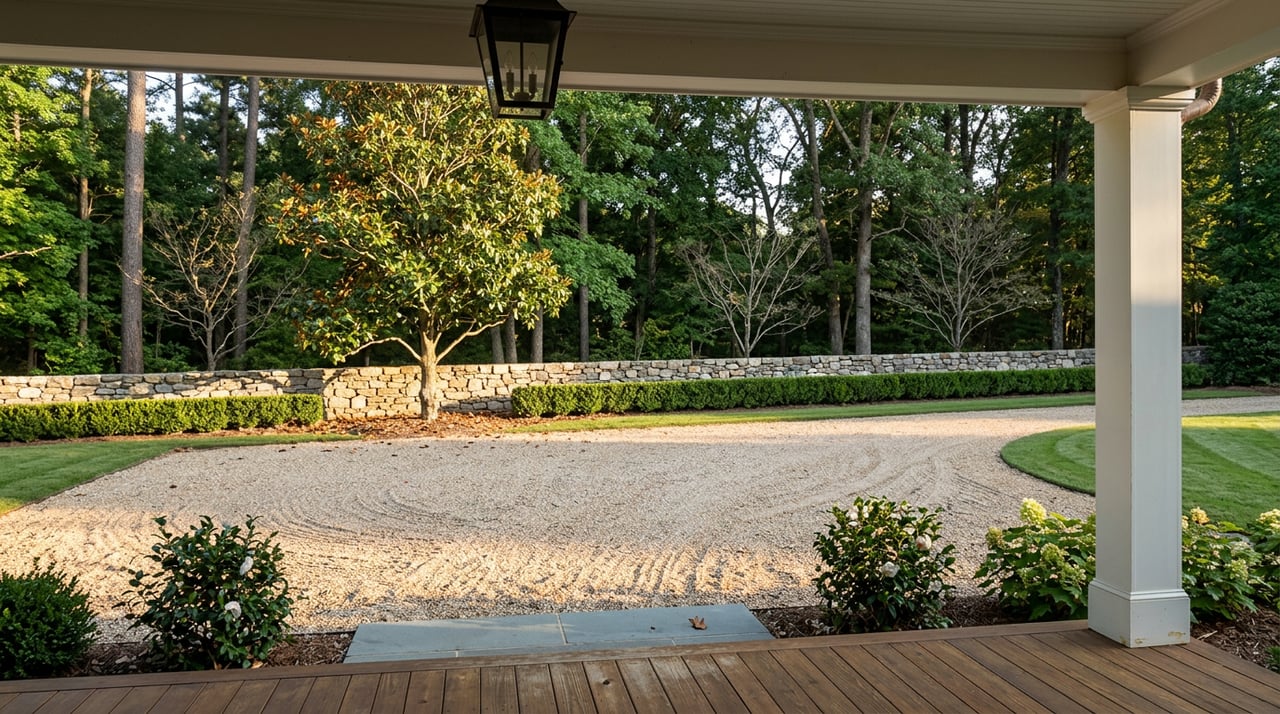
If you have a unique country home, hunting or fishing land, or other premier North Carolina property for sale, call Legacy Farms and Ranches today to learn how they can help you market your property to thousands of discerning viewers across the country.
Get In Touch With Our Team To Learn More About Our Services! Although the disclaimer is below, we will only put you on our Newsletter Mailing List!
Legacy Farms and Ranches of FM Realty
7980 Arco Corporate Dr Ste 105 Raleigh NC 27617